Astrophotography – The Art of Photographing the Heavens
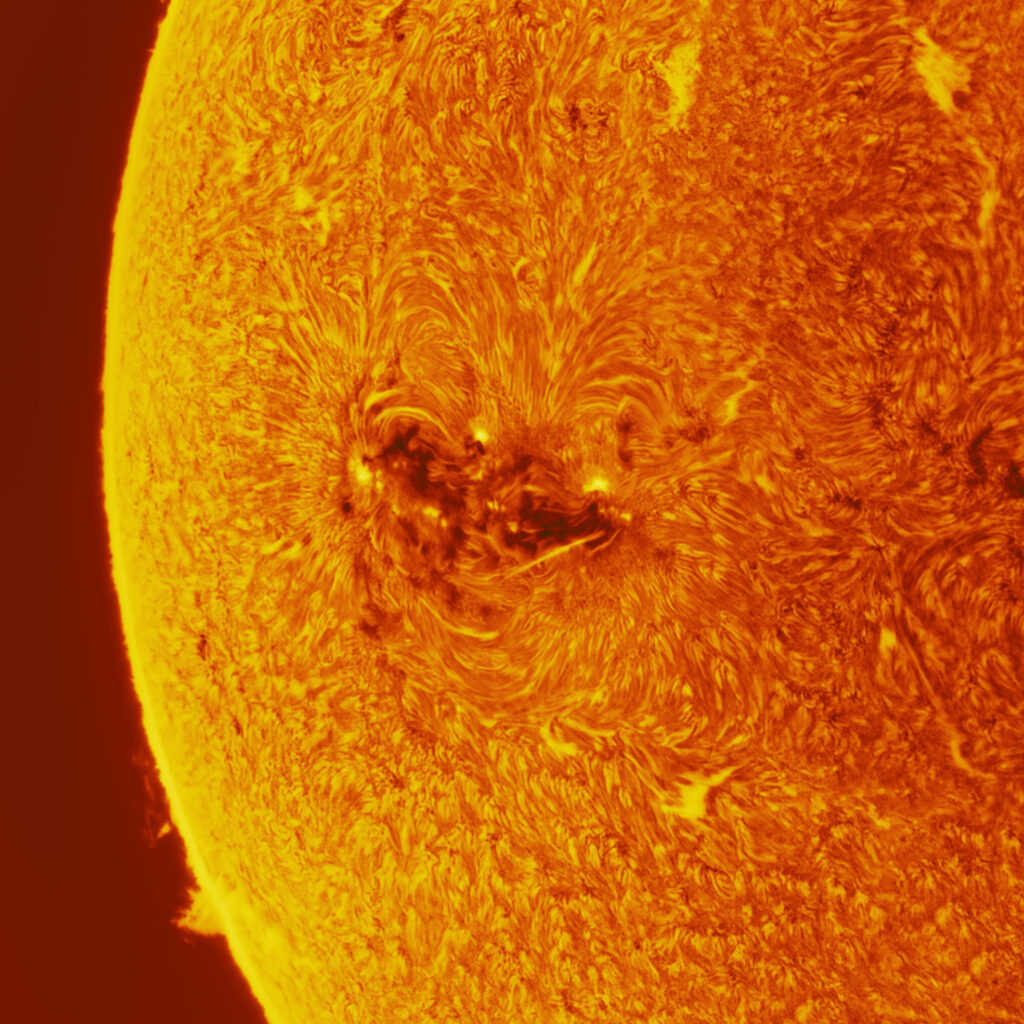
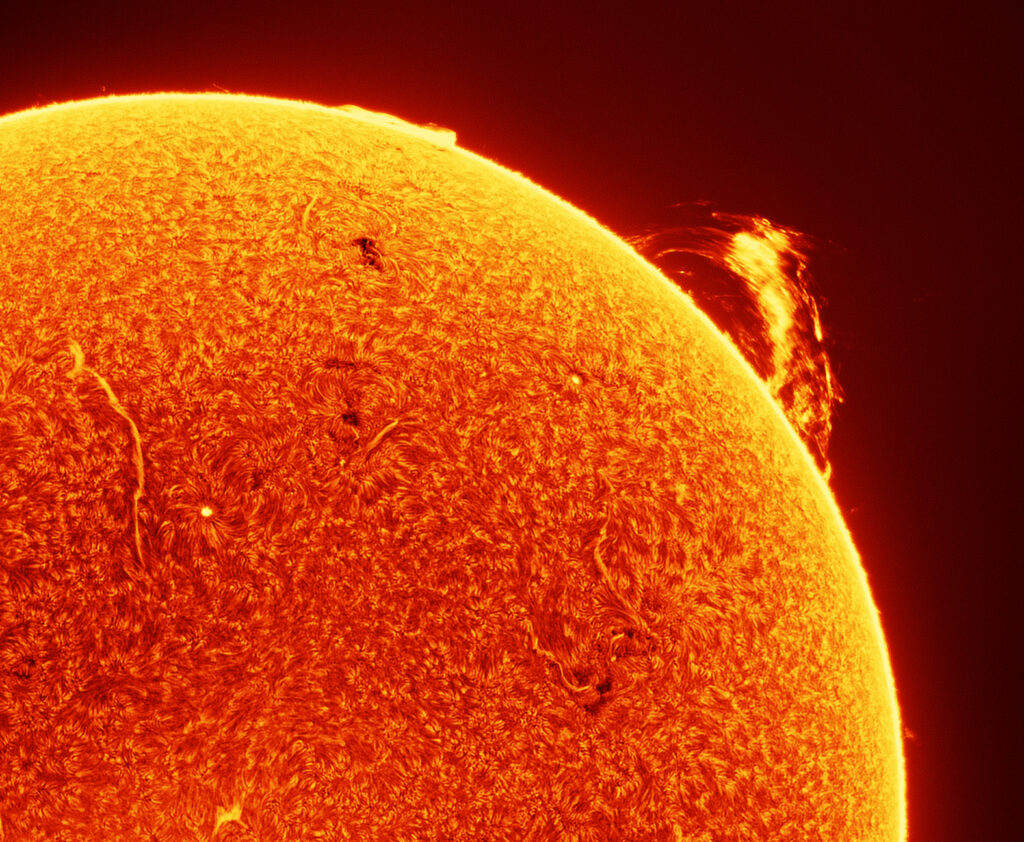
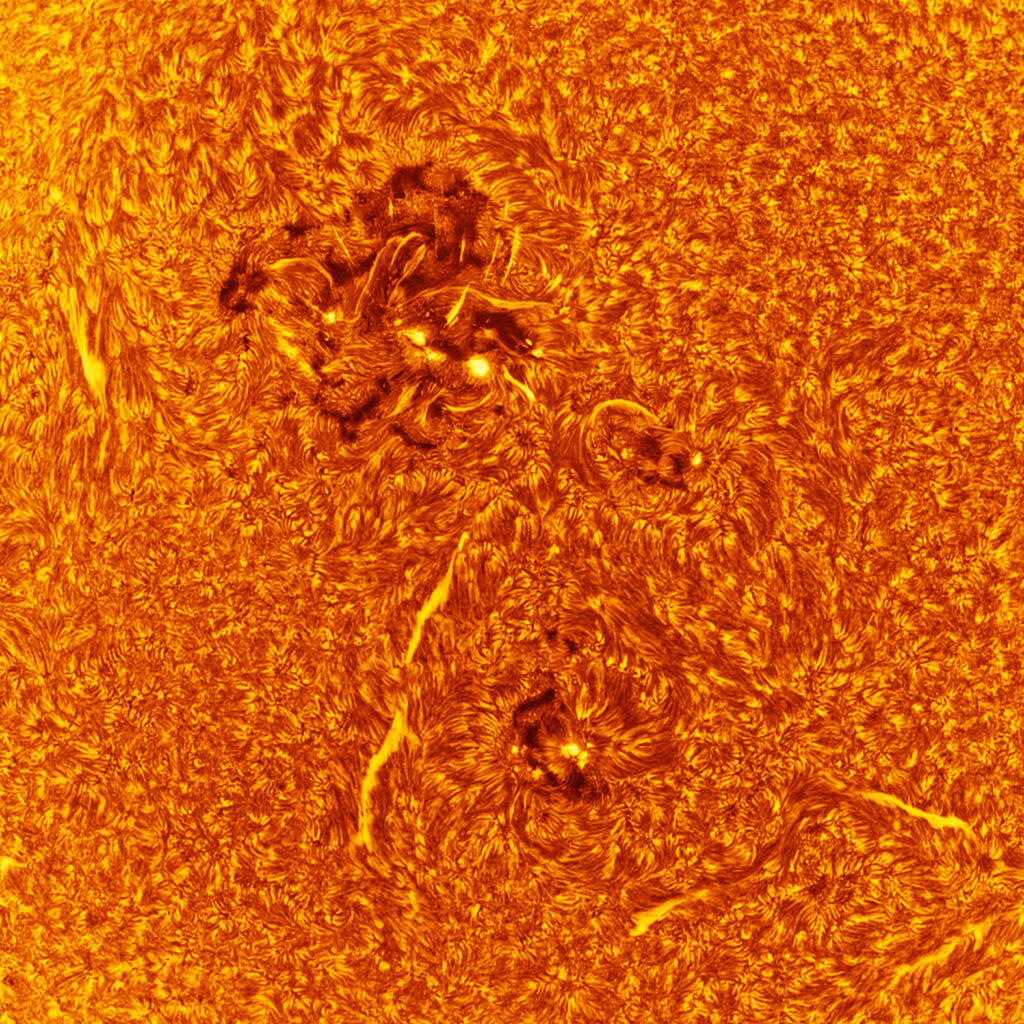
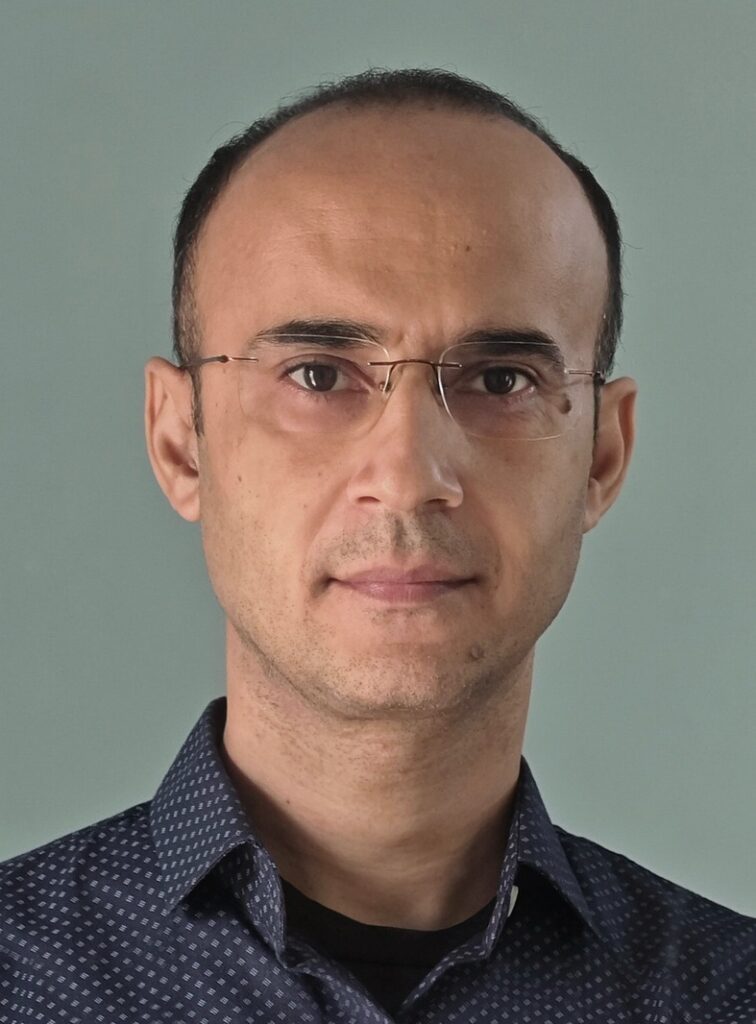
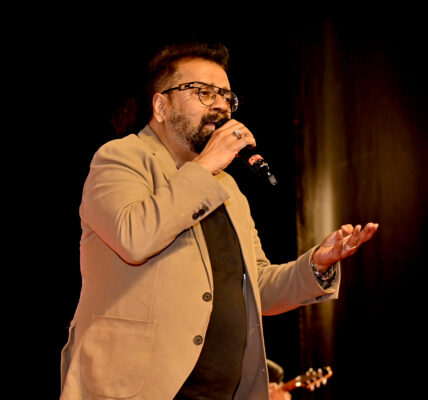
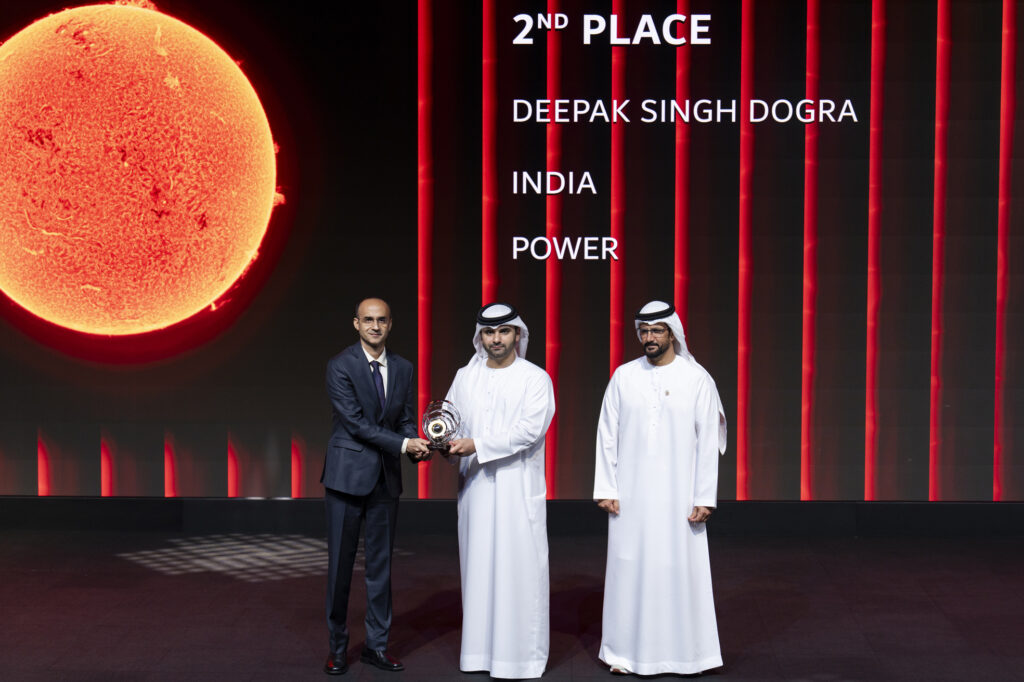
Deepak Singh Dogra is a Delhi based astrophotographer and graphic designer. He recently won 2nd place in the ‘Power’ category, for one of his photographs of the Sun, at the prestigious Hamdan International Photography Awards (HIPA) in Dubai. The competition received 87,000 entries from 145 countries across six categories, with only 19 winners selected in total. Titled ‘Ultimate Power’, it is a photograph of the Sun shot in the H-alpha wavelength, revealing its chromosphere with features such as solar prominences, sunspots, and filaments. The description accompanying the photograph read: “The Sun powers almost all the natural processes that keep our planet functioning. It is what makes the Earth habitable. Just one hour of sunlight contains enough energy to meet all of Earth’s electricity needs for an entire year. It is the ultimate source of energy – massive, continuous, and overwhelmingly powerful.”
Deepak developed interest in astronomy in early childhood. He built a small telescope using old camera lenses at the age of 12 and later bought his first telescope using the prize money he got from winning a drawing competition in class VIII. Even his class XII physics project was in astrophotography in 1996. He says that in those days amateur astronomy was not so popular in India and astrophotography was almost unheard of. Telescopes and other astronomy equipments were hardly available in India.
As time went on, astronomy became popular and also better equipment started being available to India. Deepak says, even now some of the high end astronomy equipment like that for solar photography is still not available in India and he had to wait a few years before he could ask one of his friends coming to India from the US to get it for him.
To photograph the Sun, Deepak uses a telescope and a special filter called the H-alpha solar filter. This filter cuts out almost all the light from the Sun and allows only a very narrow wavelength in the red part of the visible spectrum of light. This allows the ‘flame-like’ features of the Sun to be seen. The telescope and camera are mounted on a tracking device, which tracks the Sun’s motion across the sky to keep it centered in the frame at very high magnifications.He uses a special astronomy camera which is specifically designed to photograph the Sun. He then processes the images in astronomy softwares used in astrophotography to get the details in the images.
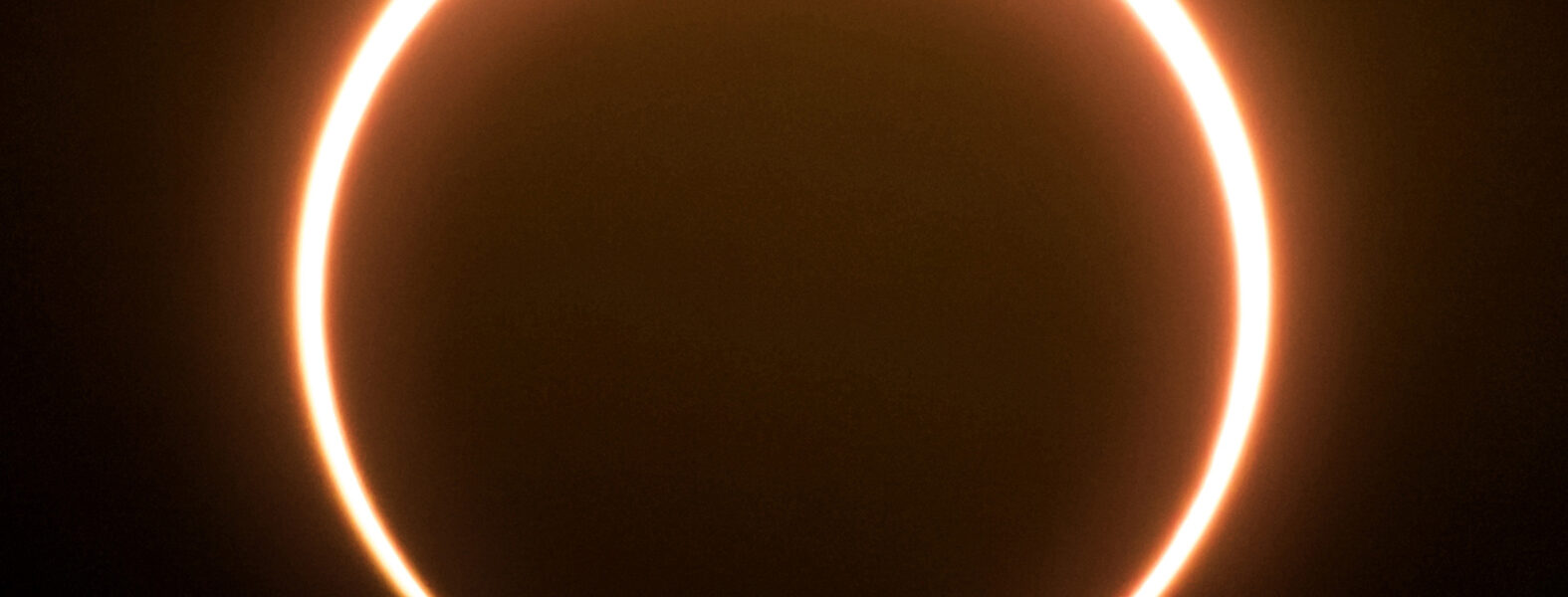
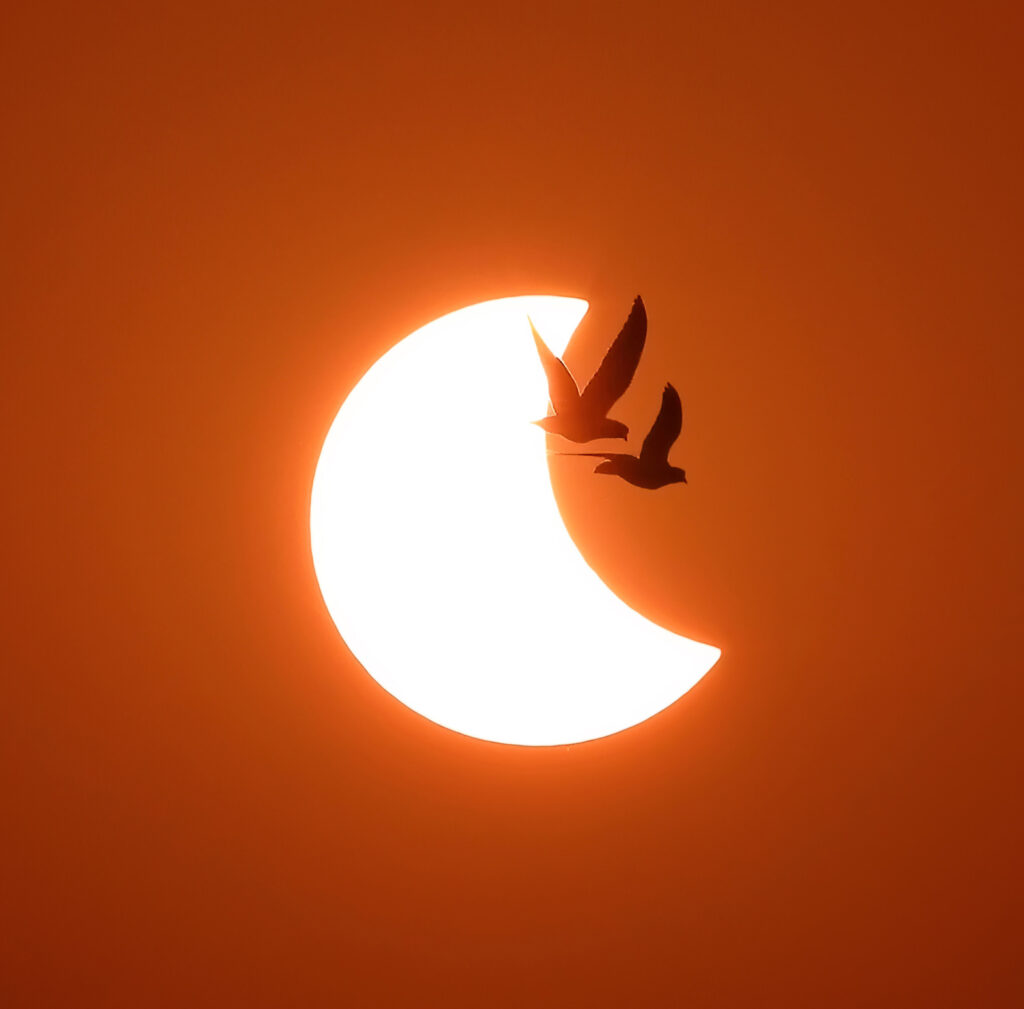
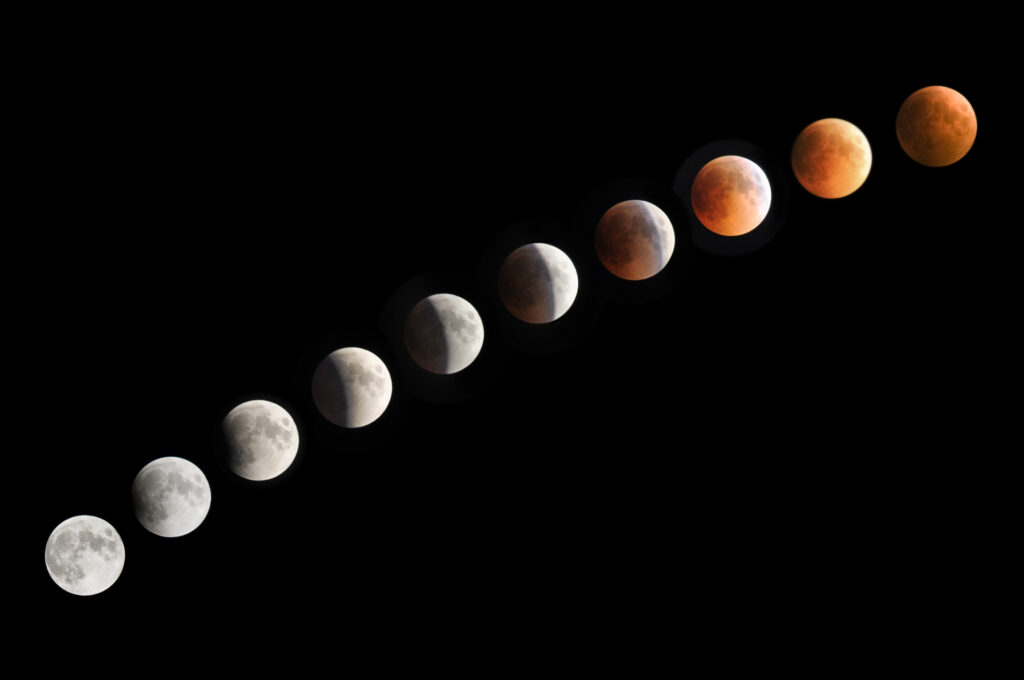
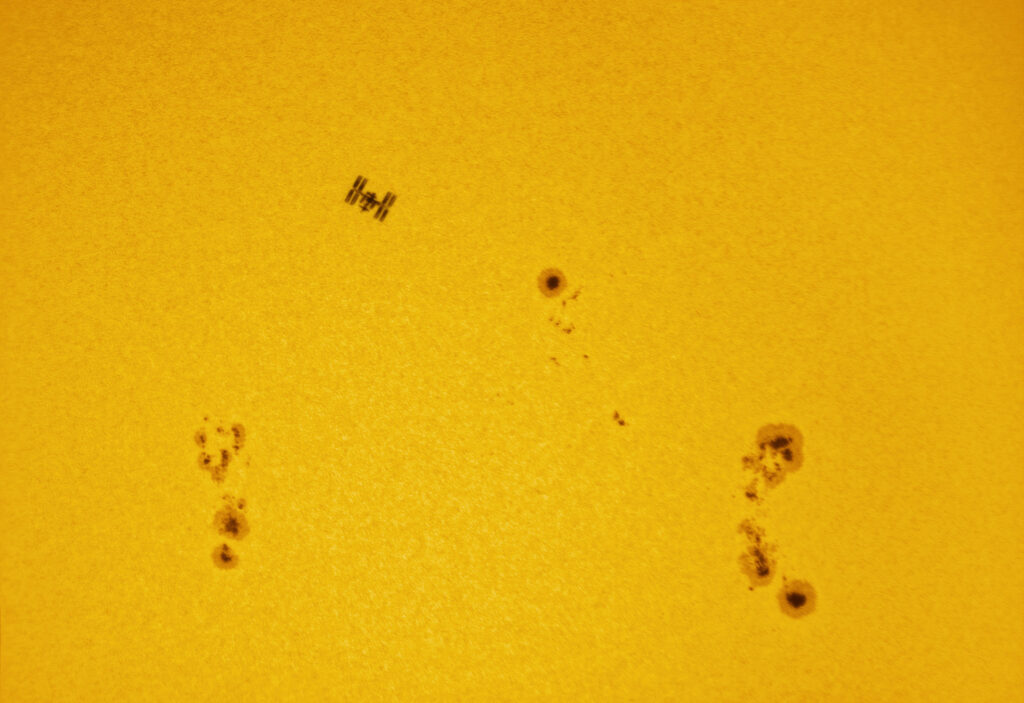
Apart from solar photography, Deepak also does astrophotography of the night sky. It involves shooting the stars, planets, galaxies, nebulae and the Moon. He has even photographed the International Space Station as it passed in front of the Sun and the Moon. He says it’s sad that people in urban areas hardly get to see even a few stars in the light polluted skies of our cities. Seeing the countless stars and even the Milky Way under clear skies with the naked eye is something most of us have never experienced.
Deepak says that the Sun, the planets and the Moon can be photographed from the city, but to photograph the stars and the Milky Way, he goes to locations like Kausani in Uttarakhand and Hanle in Ladakh.