The Art War: Legacy, AI, and the Fight for Soul
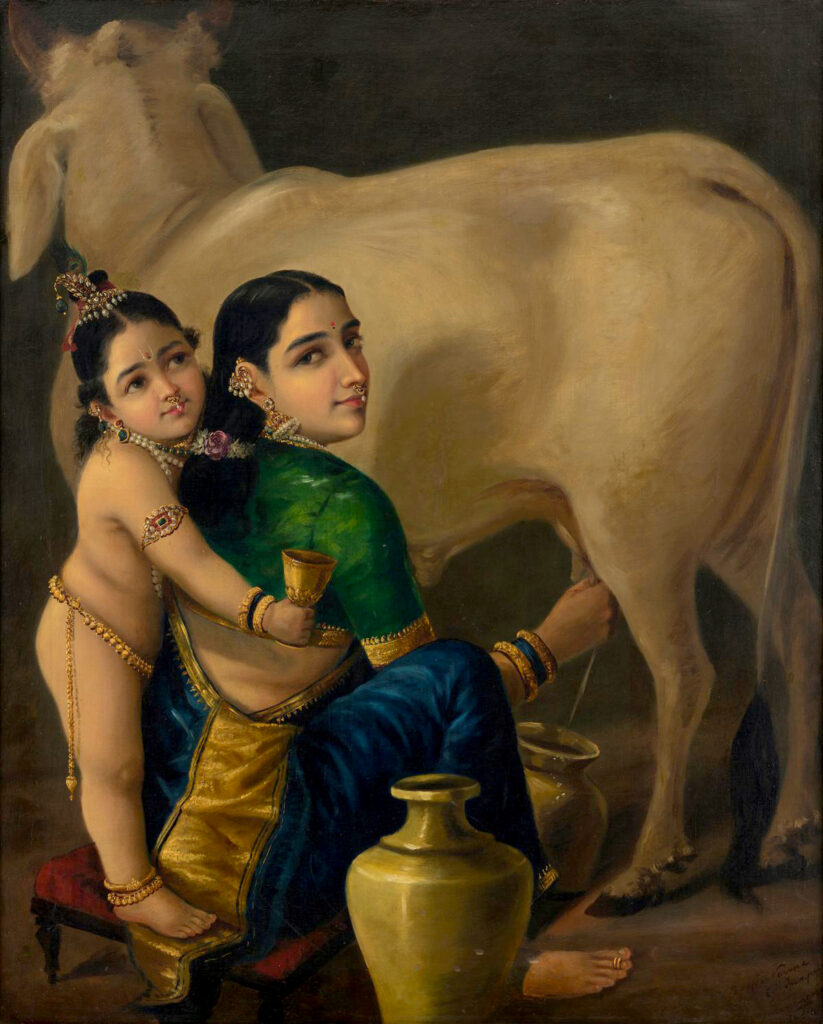
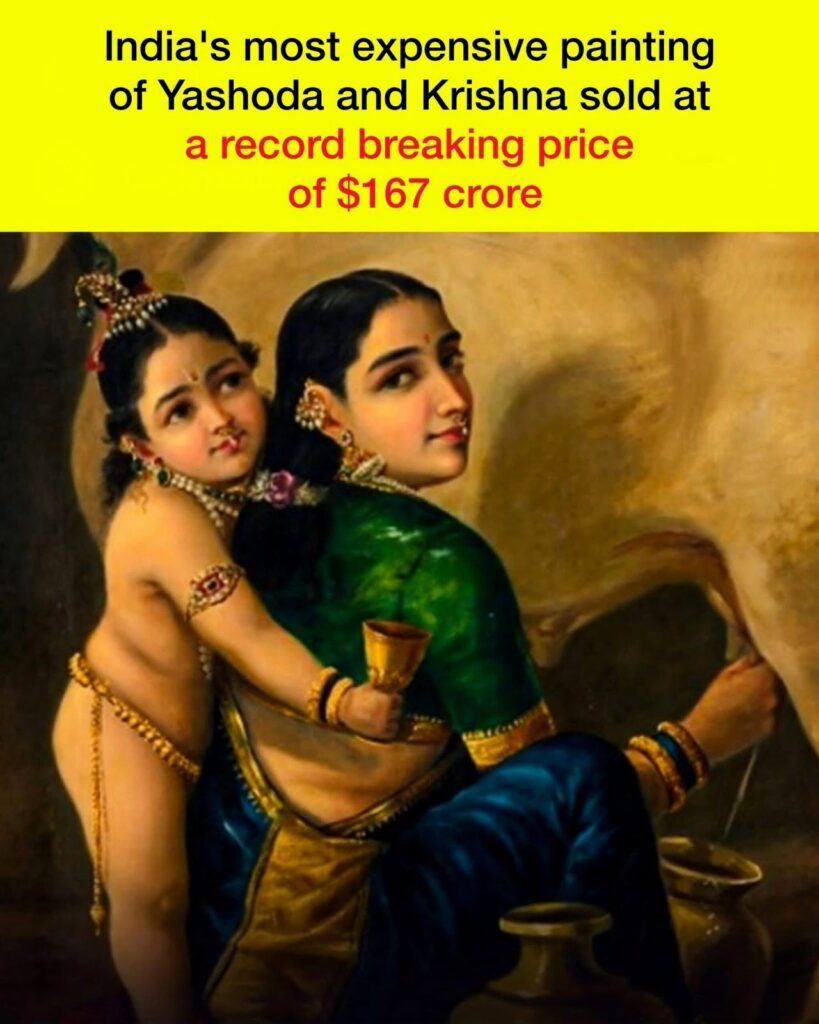
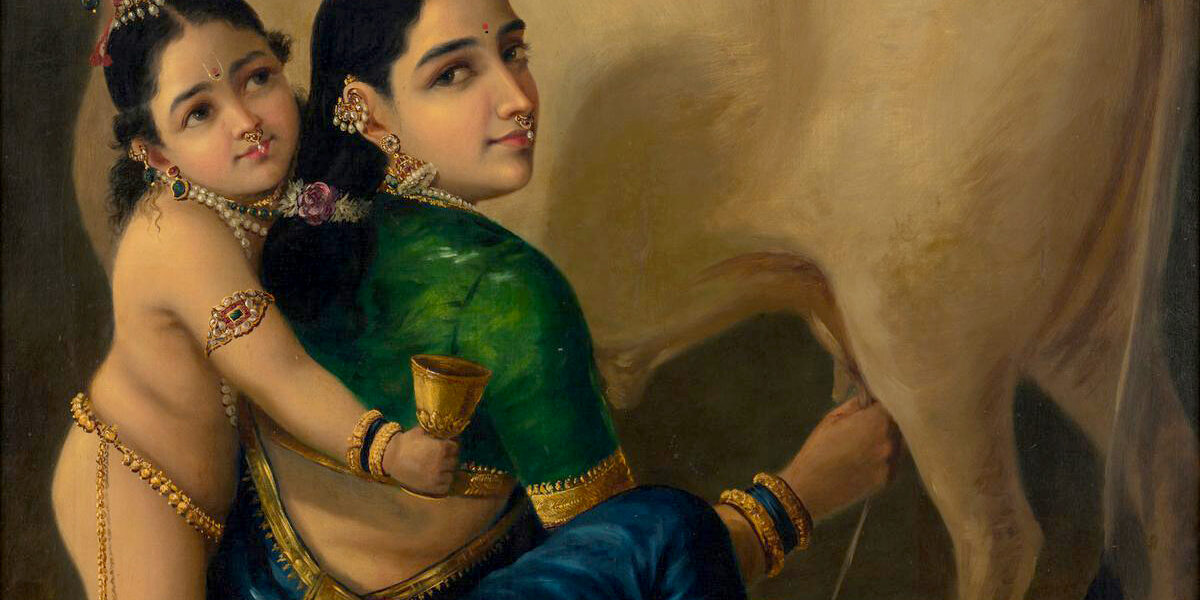
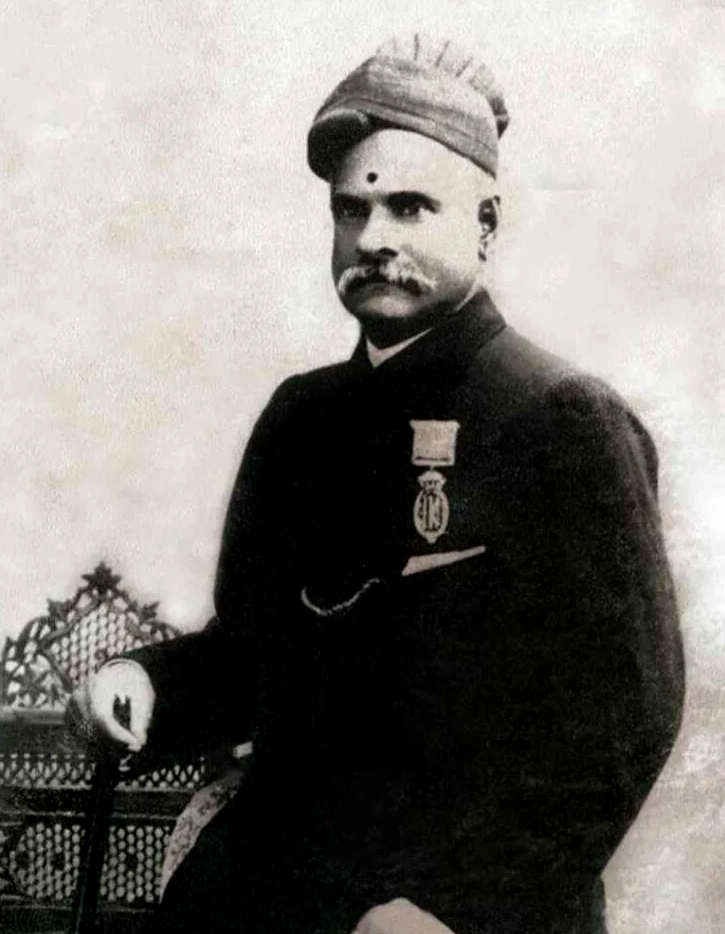
The recent sale of Raja Ravi Varma’s masterpiece, ‘Krishna-Yashoda,’ for a staggering ₹167 crore didn’t just make headlines in the art world; it reignited an age-old debate: Why does a painting cost tens of millions of dollars? While a fellow artist might instantly grasp the technical mastery and historical weight behind such a figure, to a layperson, it often seems like an incomprehensible “game of colors and canvas.”
The truth is, the value of art lies far beyond its visual beauty. It is an intricate tapestry woven from legacy, rarity, and the cold mathematics of market economics.
Great Artists and the Multi-Crore Calculus
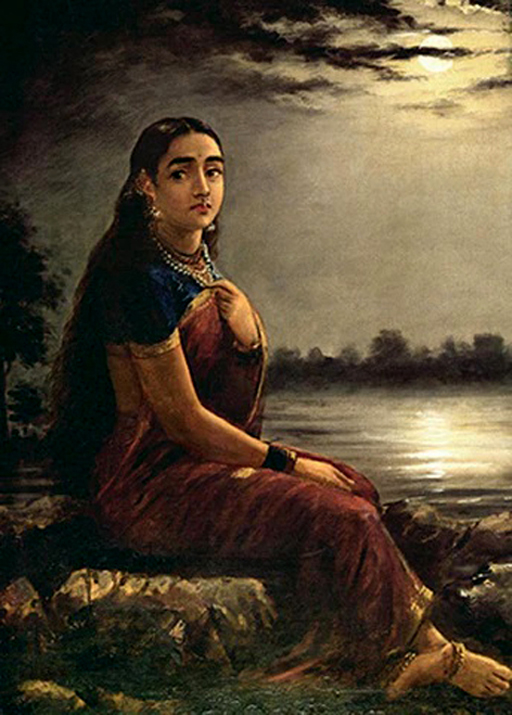
An emerging artist might produce a work that is technically flawless and anatomically perfect, yet it remains capped at a price of a few thousand dollars. In contrast, works by titans like Raja Ravi Varma or M.F. Husain consistently shatter records. This discrepancy is driven by three primary factors:
Historical Significance: Raja Ravi Varma was more than a painter; he was a cultural revolutionary. He took the divine—Indian gods and goddesses—and gave them human forms, making them accessible to the masses. By purchasing his work, a collector isn’t just buying art; they are acquiring a pivotal chapter of Indian history.
Scarcity: Great masters are no longer with us. Their body of work is finite and closed. It is a simple rule of economics: when supply is frozen and demand continues to rise among the global elite, prices move into the stratosphere.
Art as a ‘Blue Chip’ Investment: For the ultra-wealthy, art has transcended being a mere hobby. It is now a sophisticated investment vehicle. Much like stocks or real estate, the value of works by renowned artists appreciates over time, making them an essential component of a diversified wealth portfolio.
Art vs. Craft: The Crisis of Education
A harsh reality in many developing cultures, including India, is the profound lack of Art Appreciation in formal education. Since childhood, art is often treated as a “filler” or a “hobby subject” rather than a vital language of human expression. Consequently, the general public often fails to distinguish between ‘Fine Art’ and ‘Decorative Craft.’
Fine Art is a philosophy; it is a manifestation of an artist’s soul and intellectual inquiry.
Craft is rooted in manual dexterity, skill, and repetition.
When an artist spends years in college studying the psychology of color and the intricacies of anatomy, their work carries a weight of intentionality. However, society often judges it solely on the criteria of “looking pretty.” For artists in smaller towns, this is an uphill battle. With a lack of galleries and curators, their work is frequently dismissed as mere “decoration,” overlooking the academic rigor behind it.
The Mirage of Social Media ‘Likes’
In the modern era, social media is a double-edged sword. It has democratized visibility but corrupted the metrics of quality.
Do ‘Likes’ equal Excellence? Absolutely not. Often, “Pop Art” or “Eye Candy”—images designed to trigger an immediate dopamine hit—go viral, while profound Contemporary Art that requires quiet contemplation is buried by the algorithm.
The pressure to be a “Content Creator” is stifling the “Artist.” Constant posting demands speed, which often comes at the cost of the slow, meditative process of genuine creation.
The AI Threat and the Crisis of Authenticity
The advent of Artificial Intelligence (AI) has plunged the art world into an unprecedented existential crisis. A traditional artist might spend months painstakingly layering watercolors to achieve a specific translucency, only for a prompt-engineer to generate a similar—or more hyper-realistic—result in seconds.
The most disheartening trend is the rise of individuals who generate AI illustrations and shamelessly sign them as their own original creations. This is not just unethical; it is an affront to artists who pour their lived experiences and physical labor into their work. AI possesses ‘skill,’ but it lacks ‘soul.’ It cannot replicate the human “pain” or the “touch” that defines a true masterpiece.
The Democratization of Art: Middle Class and Affordable Art
Historically, art was the exclusive playground of the Elite Class. From the miniature paintings in Rajasthan’s palaces to the Mughal and Company styles, art lived under royal patronage. Today, corporate houses and billionaire collectors have replaced kings in high-stakes auctions.
However, a new segment has emerged: ‘Affordable Art.’ This is a beacon of hope for the middle class and struggling creators alike:
Limited Editions: Those who cannot afford an original masterpiece can now own ‘Signature Prints’ or ‘Limited Edition’ lithographs, bringing high art into common living rooms.
A New Market for Emerging Talent: The middle class is shifting away from mass-produced calendars and toward original works by young, struggling artists. This serves as a vital ecosystem for talent that doesn’t yet have gallery representation.
Planned Investment: This is the entry point for the “New Collector.” A painting bought today for ₹20,000 may belong to an artist who becomes a global sensation in twenty years, turning a decorative choice into a brilliant financial legacy.
The journey of a great artist is paved with more than just talent; it requires vision, struggle, and the alignment of history. While AI and digital noise may threaten the traditional sanctity of the canvas, they also force us to value the human element more than ever. In a world of infinite digital copies, the “original” becomes the ultimate luxury. For the artists of today, the battle is not just to create, but to remain authentic in an era of artificiality.