Naino mein Sapna, sapne mein Sajna, sajna pe dil aa gaya…sajna pe dil aa gaya…
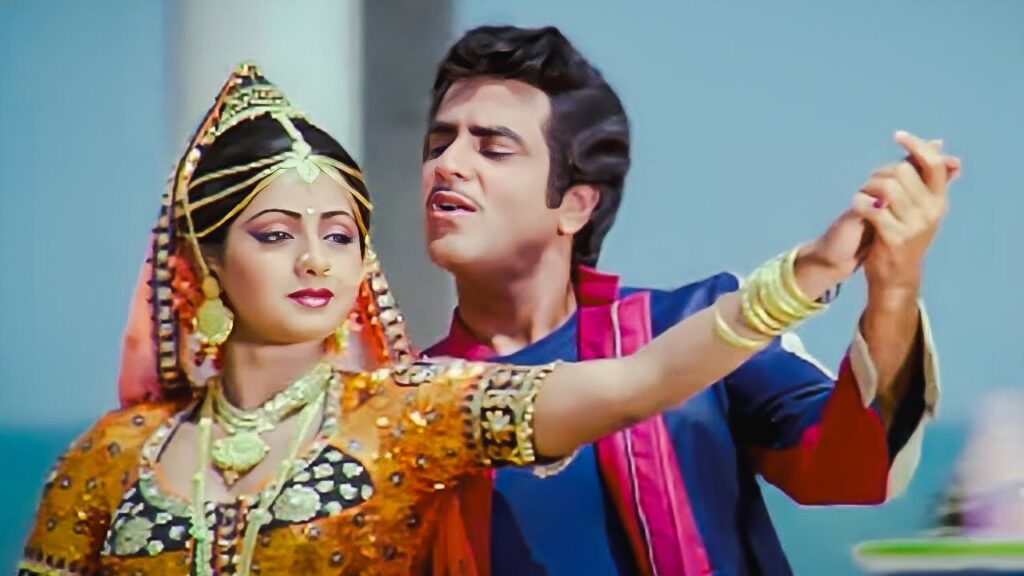
This was an iconic song in year 1983. The movie Himmatwala mesmerised me, I was preparing for my marticulation examination and this was a break I took to see this movie in my hometown Ranchi in a movie hall called Shri Vishnu. The film was a totally different experience, the dialogue made us chuckle, the film as totally a new experience.
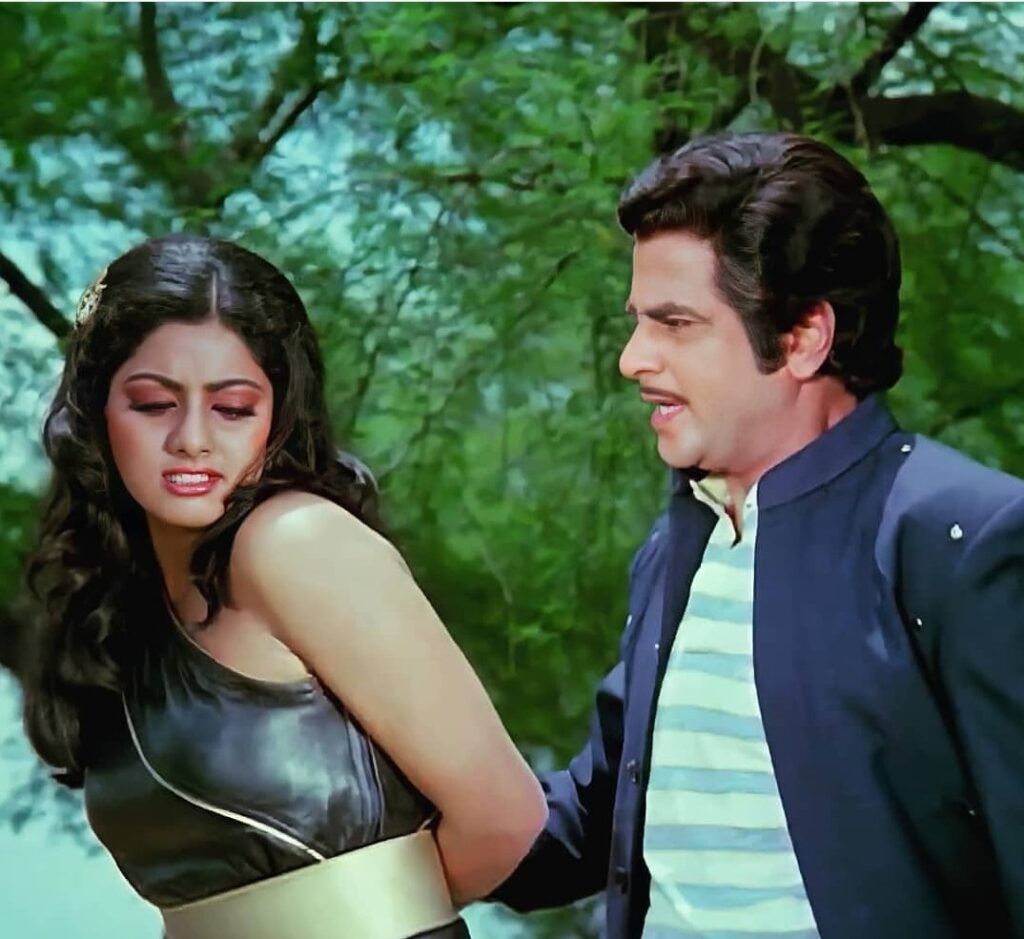
This movie Himmatwala was a blockbuster of that year, from this movie Kader khan commercial value increased and even his popularity as comedian, Sri Devi too re-launched after failure pairing with Amol Palikar in Solva Sawan it is 100% entertaining movie for Jeetenra Sri Devi fans performance wise Jeetendra is on top he always gives his best performances, his emotional scene with Waheeda Rehman were superb and he excelled in dance numbers, his dressing sense from his early films till his retirement over all on top , This movie was a trend setter for different type of comedy and later on lot of movies follows the footstep of this movie. over all it is considered a 100% entertaining movie of Jeetendra Sri Devi hit pair.
The massive success of Himmatwala paved the way of many other Jitendra starrer along with Sridevi. Jaya Prada, Shakti Kapoor, Kadar khan and Amjad khan.
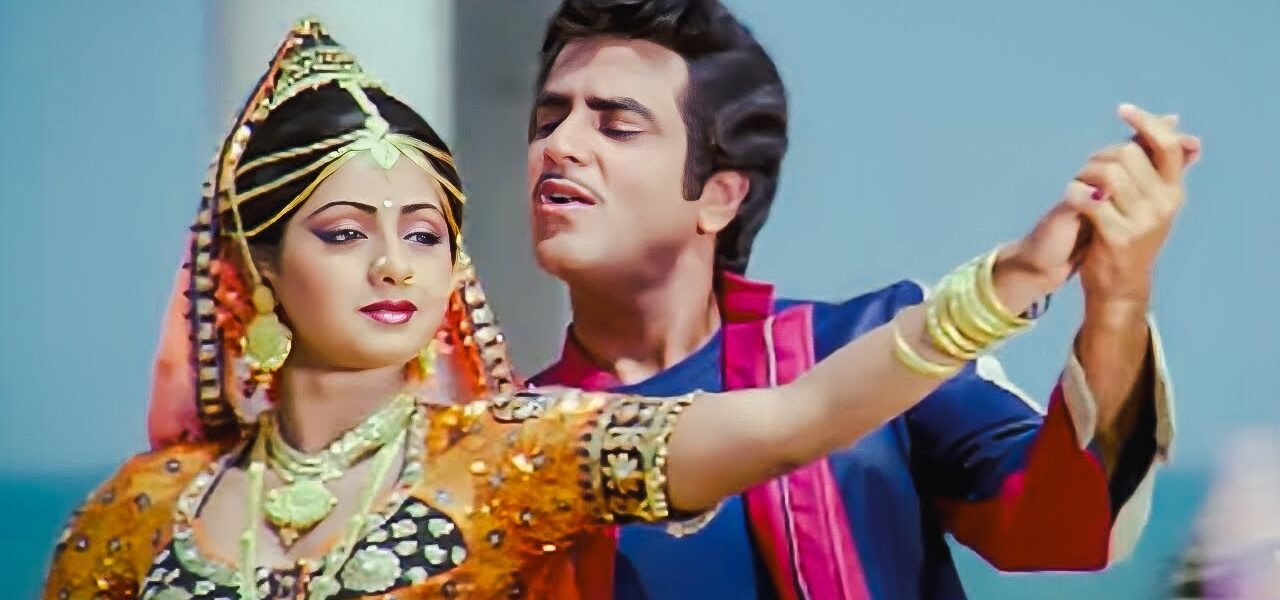
Dancing in lush fields in K Raghavendra Rao’s Himmatwala (1983), Jeetendra and Sri Devi sing:
“Kaisi yeh lagan hai?
kaisi yeh agan hai?
Milke mann bhare nahi, kaisa yeh milan hai?
(what is this attachment?
what is this fire?
The heart still yearns for more, what is this union?)”
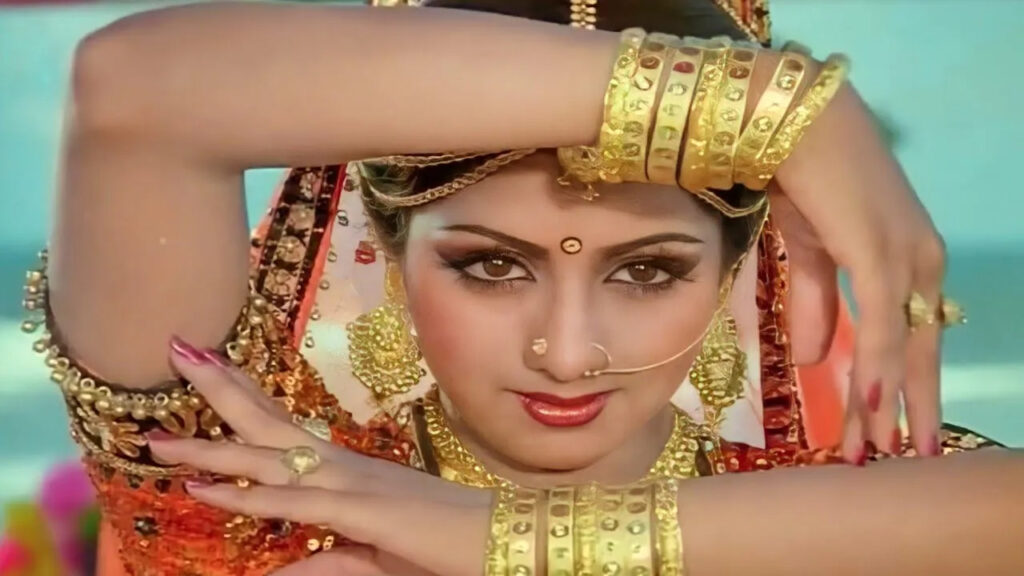
The lighthearted song (Taki O Taki) gives expression to the burgeoning romance of young lovers who no longer wish to keep their desires secret. “Aapas mein taak dhin, taak dhin ho gaya, ab kya reh gaya baaki?” says the refrain of the song, loosely translating to: “we have done the taak dhin, taak dhin together, what more is left to do?”. The term “taak dhin”, used informally to mark beats in Hindustani classical music, becomes a euphemism for the pleasures of a love consummated—what more, then, is left to legitimise this union?
On YouTube, the film is often discussed for creating a lasting 80s nostalgia, with its unique blend of rural settings, over-the-top melodrama, and memorable music.
The mid 80s truly belonged to Jitendra.
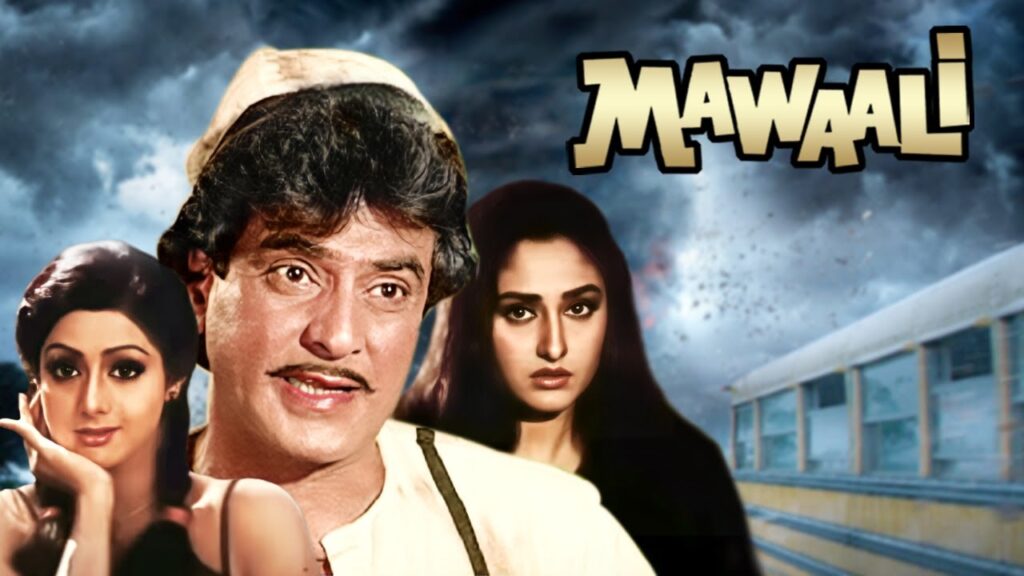
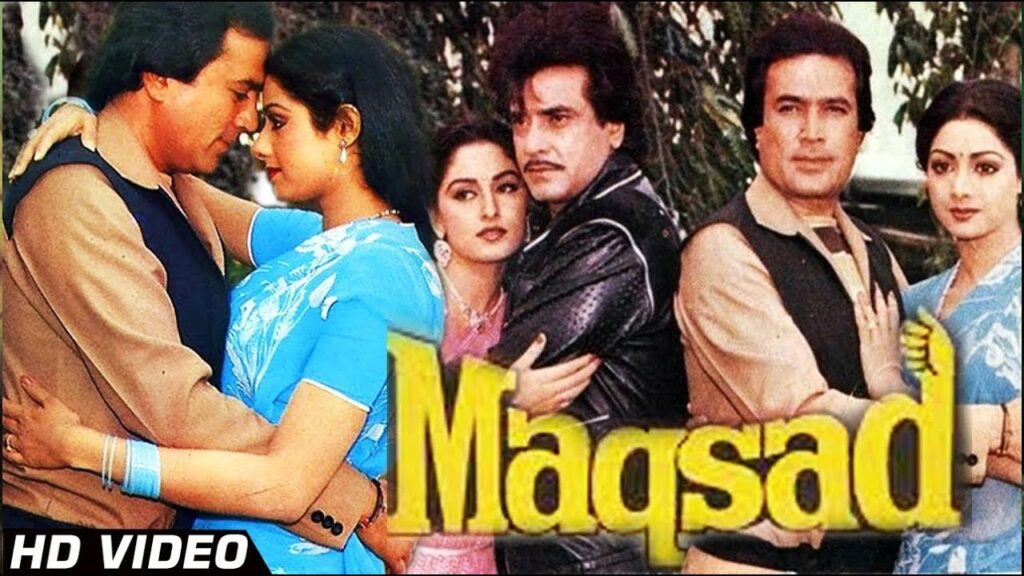
Jeetendra ruled the 1980s Bollywood scene, becoming known as the “King of Remakes” for starring in numerous successful South Indian film adaptations, forming hit pairs with Sridevi and Jaya Prada, and delivering blockbusters like Himmatwala (1983), Tohfa (1984), Mawaali (1983), and Maqsad (1984) .
He was nicknamed “jumping jack” after farz. His movies had great songs. He was truly the most succesful actor of his time. I think he was still a leading draw till the 90s!! A long innings which began with the legendary V Shantaram. In 80s, he started remaking southern hits shooting them in madras..was into production and distribution and made a lot of money. Thats why he could retire by mid 90s. He was a very famous actor. But he never had a major blockbuster or die hard audience like every other star. Maybe thats why. But he had the best business acumen of them all. As displayed by his training of his daughter who brought in daily soaps in the mid 90s when she was barely out of her teens.
Bollywood in 1980s lived and died by South movies. Every hit movie in the South used to be remade in Hindi, often by the same director and actresses like Sri Devi and Jaya Prada used to star in both the versions.
These movies were known for being mass masala entertainers that defined logic or realism, not unlike the south movies that are minting the money at Box Office these days. Charismatic lead actor with larger than life personality, poor, helpless leading lady who is there only to titillate the audience, a loud and caricature-ish villain, these formed the basis for every story.
The 1980s often get a bad rap. Critics point to a perceived dip in filmmaking quality, citing asinine action flicks and cringe‑worthy content, and label the decade the most creatively barren in Indian cinema. There is some truth to that—Hindi cinema was in a mid‑life crisis. Big films flopped, the middle class stopped going to theatres, and even the Bachchan juggernaut seemed to stall.
Yet, with the benefit of hindsight, the era of disco, Doordarshan and denim wasn’t all bad. Beyond the meteoric rise of South‑remakes, innuendo‑laden lyrics and sub‑par scripts, the 80s were a surprisingly rich period.
Something more than a simplistic tale of disco and remakes, the 1980s present a complex, varied tapestry that makes the decade one of the most fascinating in Indian film history.