One Man, One Mission: Reviving India’s Rivers
Q. Would you start by introducing yourself for our readers?
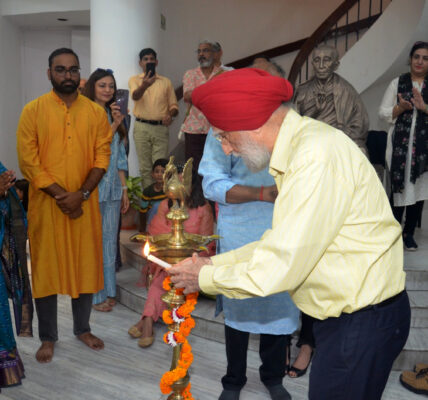
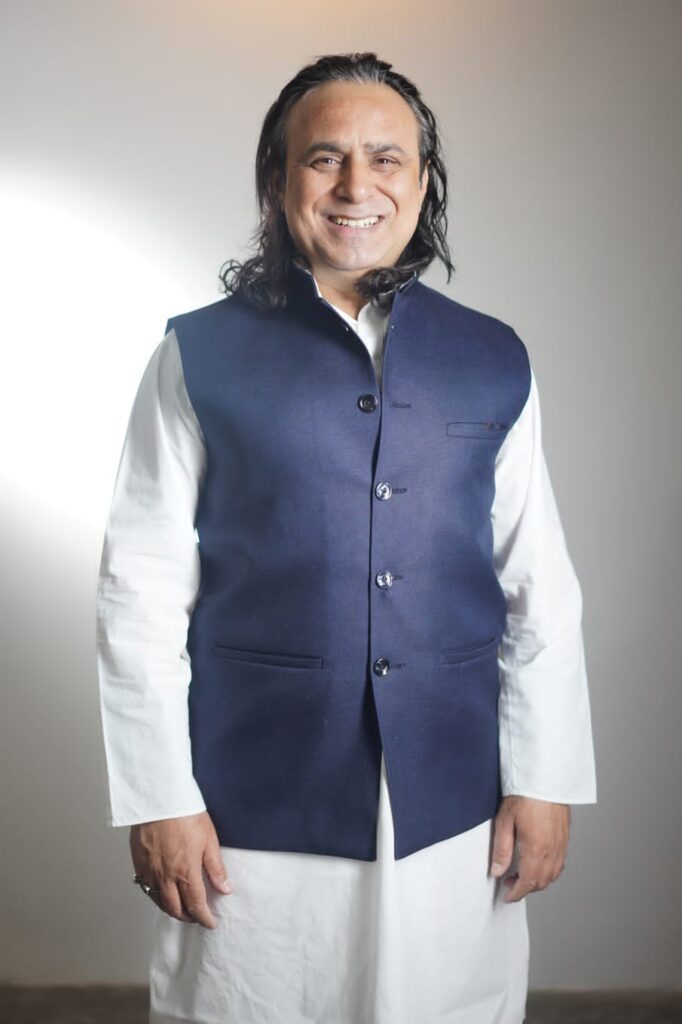
Sanjay Harry Kapur: I began my career in Mumbai as an assistant director and later worked as an actor, appearing in television projects, music videos, and events. After spending several years working and running a business in Dubai and Singapore, I returned to India. Over time, my focus shifted toward environmental causes. Today, my mission is to create awareness about clean air, clean water, and especially the conservation of our rivers, beginning with the Ganga.
Q. What inspired this transition from entertainment and business to environmental work?
Witnessing increasing pollution, especially in Delhi, deeply affected me. I realized that life’s larger purpose is to give back to society. Clean water and oxygen are the most basic necessities for humanity, and if we don’t act now, future generations will suffer. That realization pushed me toward environmental activism.
Q. Tell us about your work related to environmental conservation so far.
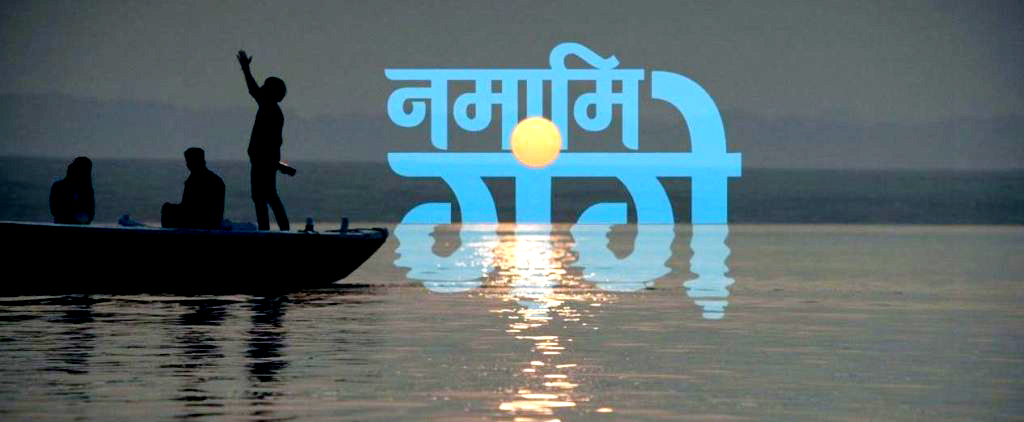
I have been involved in plantation drives and environmental awareness campaigns, including planting thousands of trees in Delhi. Over the years, I have researched river conservation, particularly the Namami Gange project, and have worked to spread awareness about preserving our natural resources.
Q. What is the main objective of your upcoming Ganga Yatra?
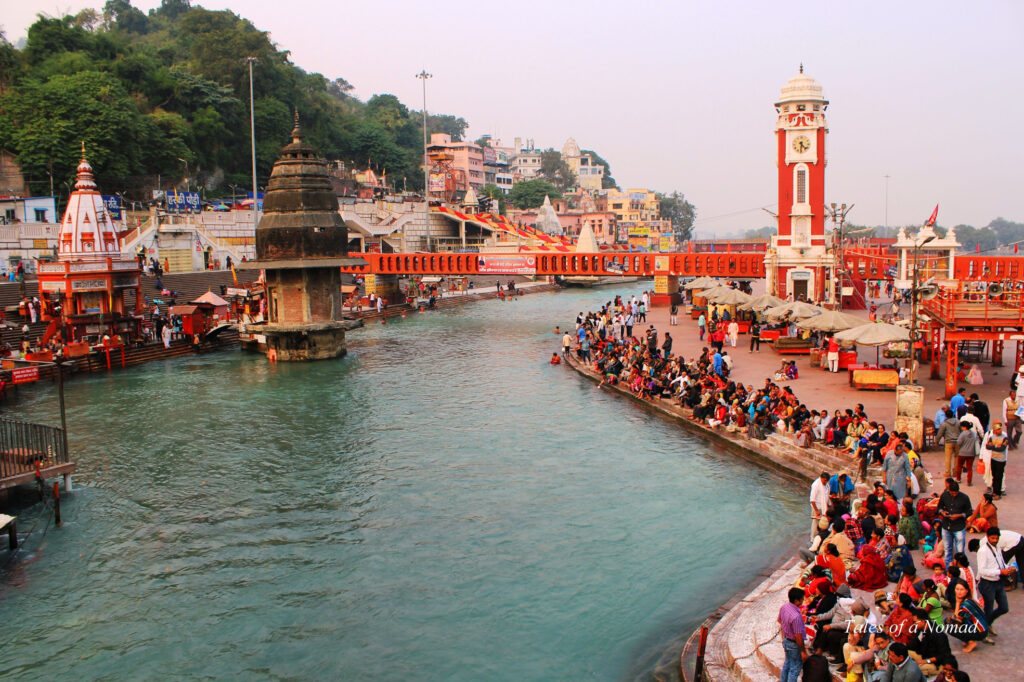
The aim is to create awareness among people living along the river about keeping the Ganga clean. Government initiatives are in place, but real change will only come when citizens participate. Through this journey from Gangotri to Ganga Sagar, I want to connect with people at a grassroots level and encourage responsibility toward our rivers.
Q. What activities will take place during this Yatra?
We will conduct awareness meetings with local communities, students, administrators, and social leaders. I will collect water samples from different locations along the river and submit them to the authorities to help identify pollution levels. We will also encourage plantation drives along riverbanks to support biodiversity and prevent soil erosion.
Q. Why do you emphasize people’s participation so strongly?
Because governments alone cannot solve environmental problems. Change happens when individuals develop a sense of belonging. Just as we keep our homes clean, we must feel the same responsibility toward public spaces, rivers, and forests.
Q. What long-term change do you hope this journey will create?
I hope to plant a seed of awareness in people’s minds. Even if a few individuals change their habits and influence others, it will grow into a movement. My goal is to inspire many more people to work for environmental protection.
Q. What are the major environmental concerns you see today?
Air pollution, water pollution, and noise pollution are serious problems. Cities like Delhi face dangerous AQI levels, and many rivers are heavily polluted due to untreated waste and industrial discharge. If we don’t act now, water scarcity will become a severe crisis.
Q. Are there future projects planned after this initiative?
Yes, after focusing on the Ganga, I want to work toward cleaning other rivers like the Yamuna and address pollution in tributaries that ultimately affect larger rivers. The goal is to find long-term, permanent solutions rather than temporary fixes.
Q. What message would you like to give to young people?
Understand the importance of nature and take responsibility. Even small actions like planting trees, reducing pollution, and spreading awareness can make a huge difference. Change begins with individuals.
Q. Finally, what is your personal life goal?
Before I leave this world, I want to inspire millions of people to care about the environment and work toward making our country cleaner and healthier.