The Life We Keep Postponing
Bindu Cherungath
The psychology of conditional living — and why the right moment never arrives
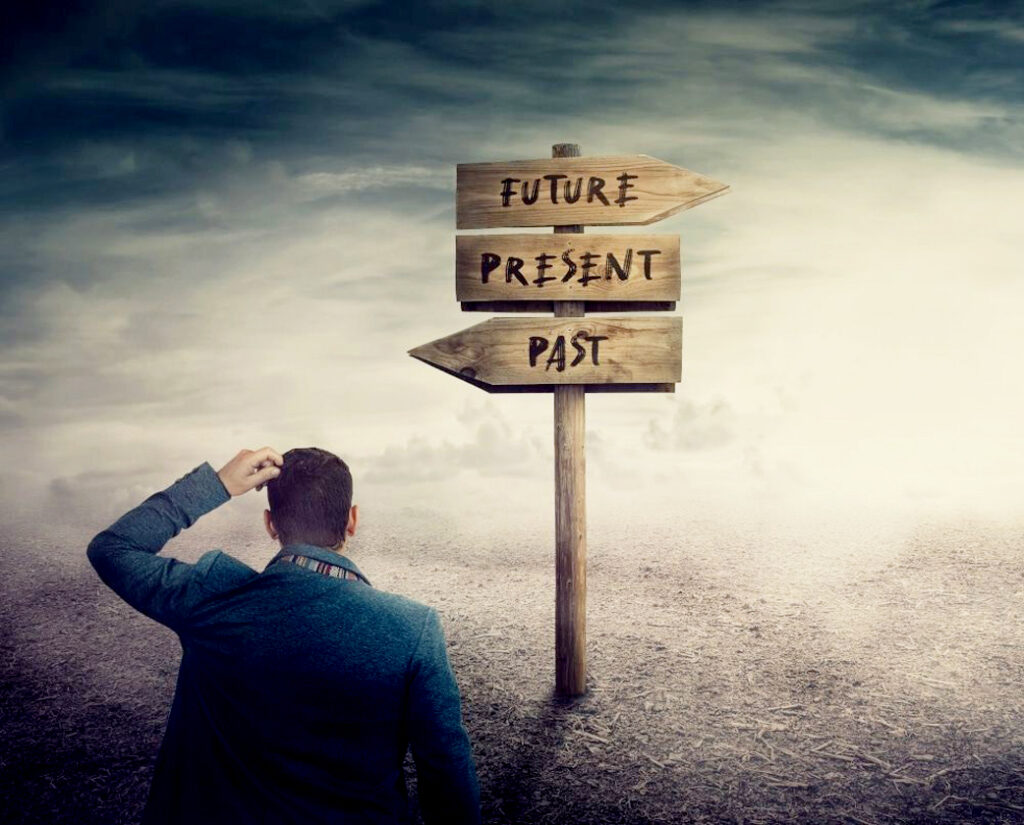
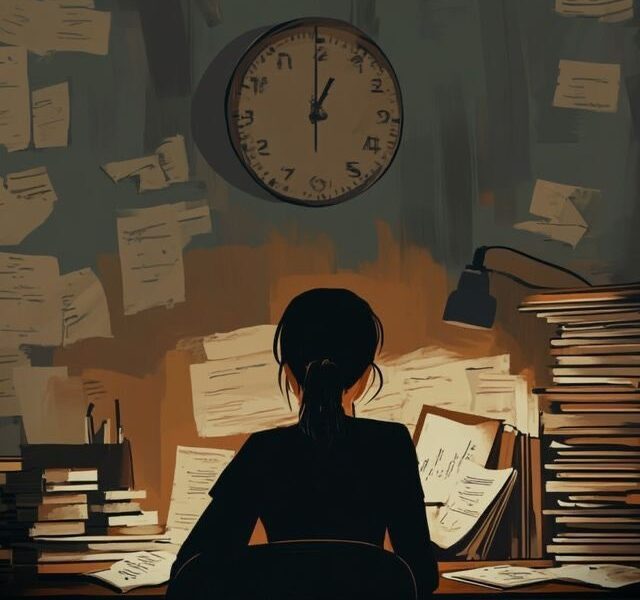
There is a particular form of negotiation that most people engage in quietly, without recognising it as negotiation at all. It sounds like planning. It feels like responsibility. But at its core, it is a negotiation between the life being lived and the life being deferred.
“After this project.” “Once the children are older.” “When things are a little more settled.” “When I finally feel ready.” These sentences are so familiar that they have ceased to feel like decisions. They feel instead like reasonable assessments of timing. And yet, for many people, the moment being waited for never quite arrives — or arrives only to reveal a new condition that must be met before real living can begin.
Psychologists call this the future self-illusion — the tendency to perceive one’s future self as a more capable, more composed, more deserving version of the present one. Research suggests that when people imagine themselves five or ten years hence, the neural patterns resemble how they think about strangers more than how they think about themselves. The future self is, in a meaningful sense, a fiction — and a convenient one. It can be trusted with the hard conversations, the creative risks, the rest, the vulnerability. The present self, perpetually in transit, is told to wait.
“The work is rarely done. There is always another threshold, another obligation — and so the permission to live fully remains perpetually outstanding.”
In India, this deferral carries cultural weight. The ethic of sacrifice — of enduring the present for the sake of a better future — is not simply absorbed in childhood but actively celebrated. Delayed gratification is not merely a strategy; in many families and communities, it is a mark of character. To invest in one’s own rest, joy, or inner growth before the work is done is to risk being seen as indulgent, unserious, or naive. And since the work is rarely done — since there is always another threshold, another obligation, another milestone to cross — the permission to live fully remains perpetually outstanding.
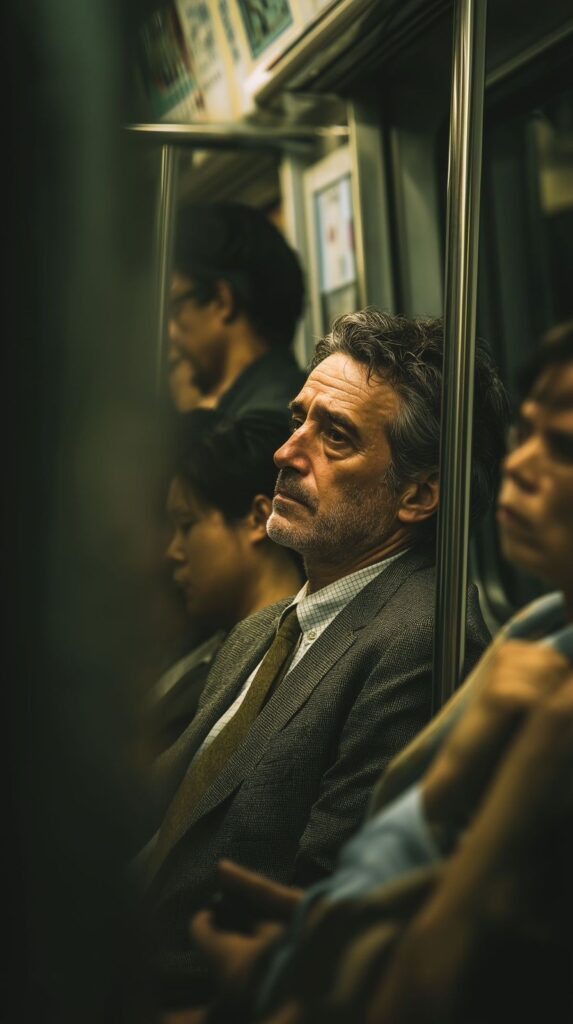
What this produces is not discipline. It produces a particular kind of numbness: a life experienced in preview mode, always preparing for the main event that keeps being rescheduled.
The psychological cost is not only emotional. Research on what is known as anticipatory regret — the discomfort of imagining future disappointment — shows that it can be more paralysing than present uncertainty. People do not avoid action merely because they fear failure. They avoid it because they fear arriving at the future and finding that the attempt was wrong, was too soon, or was insufficient. Waiting feels like it protects against that verdict. But waiting carries its own verdict, delivered slowly and without announcement.
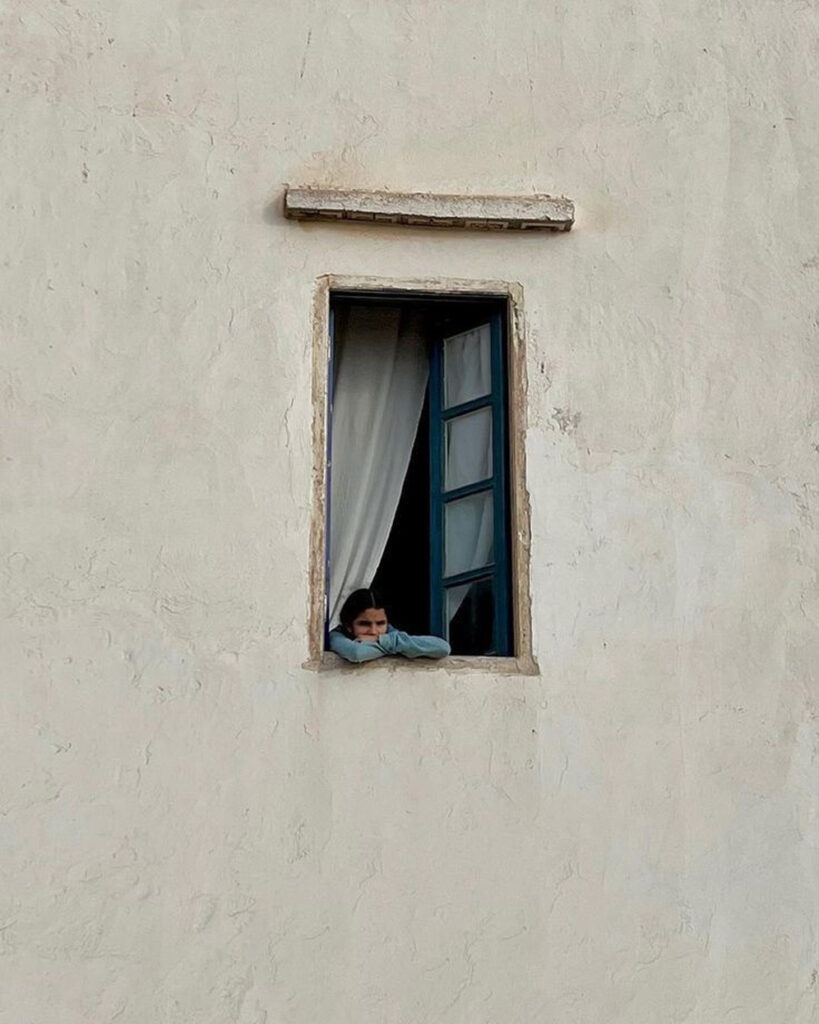
There is something else worth examining in what the waiting preserves. A dream that has never been tested remains intact. An honest conversation that has never been had cannot disappoint. A version of oneself that has never been risked cannot be found wanting. The postponed life is, in this sense, a protected one. But protection and aliveness are not the same thing.
The question worth sitting with is not when the right moment will come. It is whether the very idea of a right moment is itself a mechanism — a way of remaining available to life in theory while staying safely removed from it in practice.
Time, unlike most things, does not wait to be ready.