When Tradition Took the Stage: Surtarang at 41 and the Sound of a Living Legacy
New Delhi | February 23
As dusk settled over Mandi House, the lights inside Kamani Auditorium glowed with anticipation. The occasion was the 41st edition of Surtarang, one of India’s longest-running and most respected national singing platforms—an evening that felt less like a competition and more like a cultural ritual, carefully carried forward through generations.
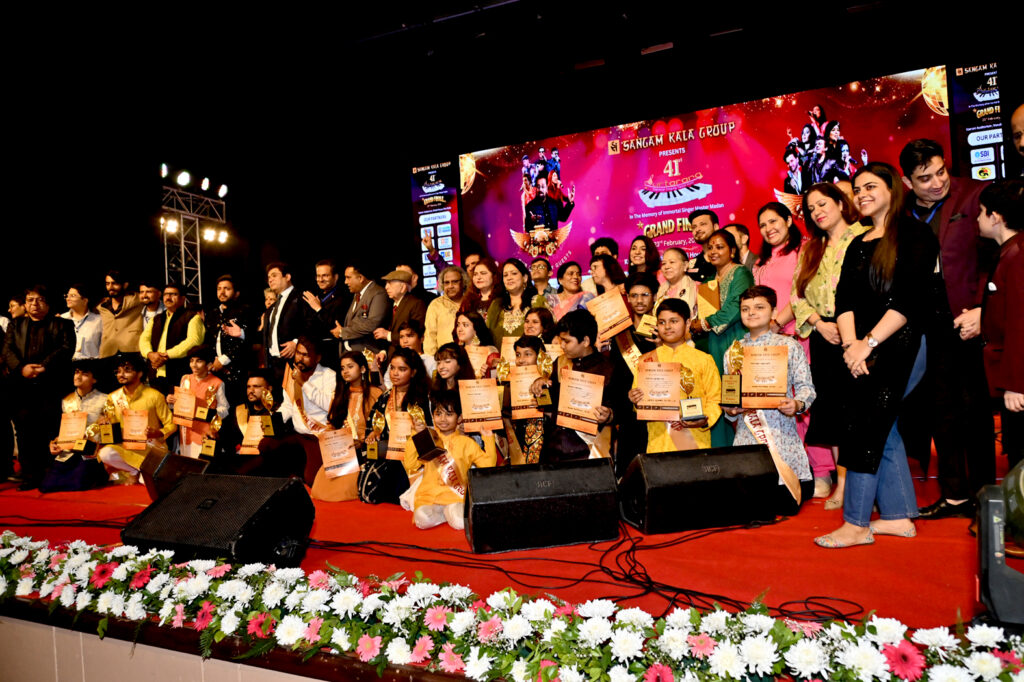
The All India Grand Finale unfolded in a solemn yet celebratory atmosphere, where young voices from across the country came together to honour India’s vast musical inheritance. Classical ragas flowed seamlessly into light, film, and non-film compositions, each performance echoing discipline, devotion, and the courage of emerging talent.
Surtarang’s history is deeply woven into the fabric of Indian popular and classical music. It is among the first platforms to recognise voices that would later shape the nation’s soundscape—artists who once stood nervously under these same stage lights before becoming household names. That lineage lent the evening a quiet emotional weight: a reminder that greatness often begins in such moments of faith and opportunity.
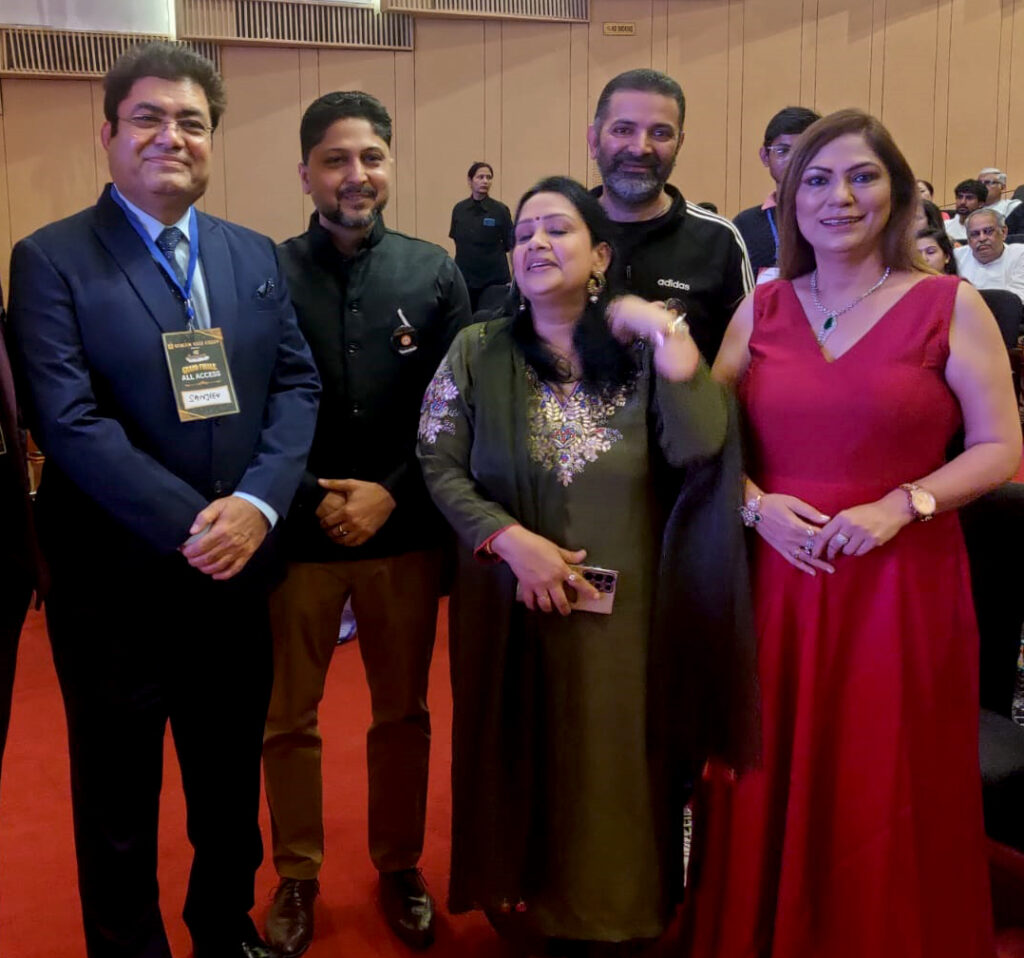
The audience included stalwarts of Indian classical music, notably Pandit Sajan Mishra, alongside scholars and cultural thinkers. Judging the final round were senior music critic Pandit Vijay Shankar Mishra, eminent vocalist Mitali Chakraborty, and classical exponent Pandit Swaransh Mishra—a panel that reflected both authority and artistic sensitivity.
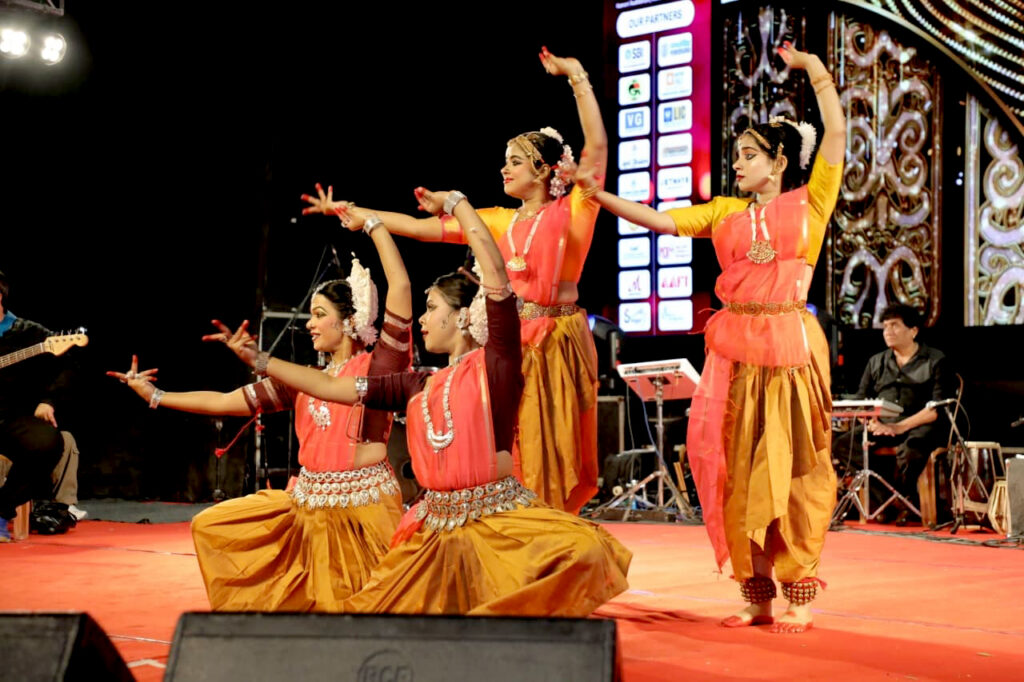
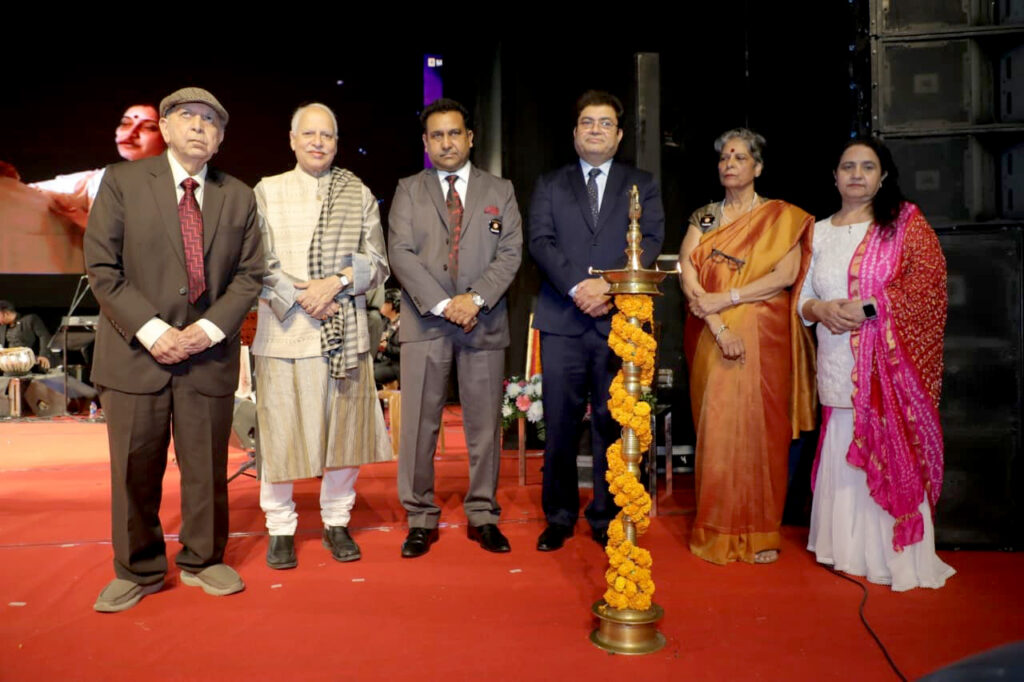
The ceremony opened with the lighting of the ceremonial lamp, followed by a graceful Ganesh Vandana presented by the Aradhi Group of Performing Arts. What followed was a series of competitive performances across categories, including sub-junior, where young singers displayed remarkable poise and emotional maturity. Multiple talents were recognised for excellence across film and non-film music, signalling the depth of emerging artistry across the country.
Honouring the Architects of Culture
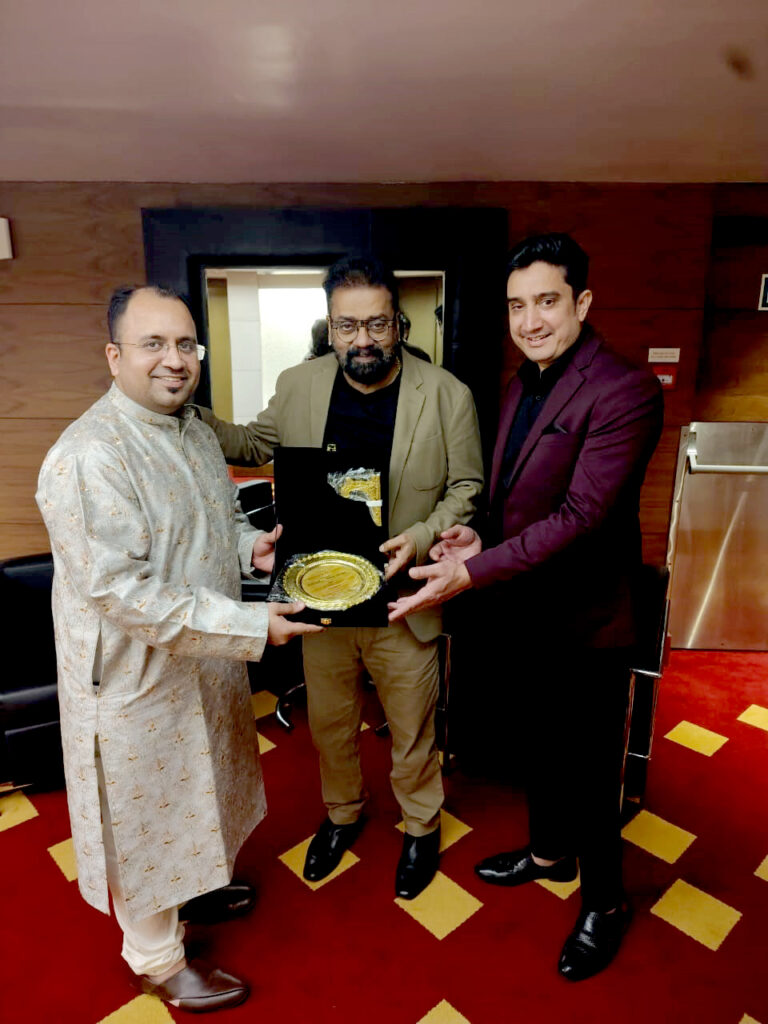
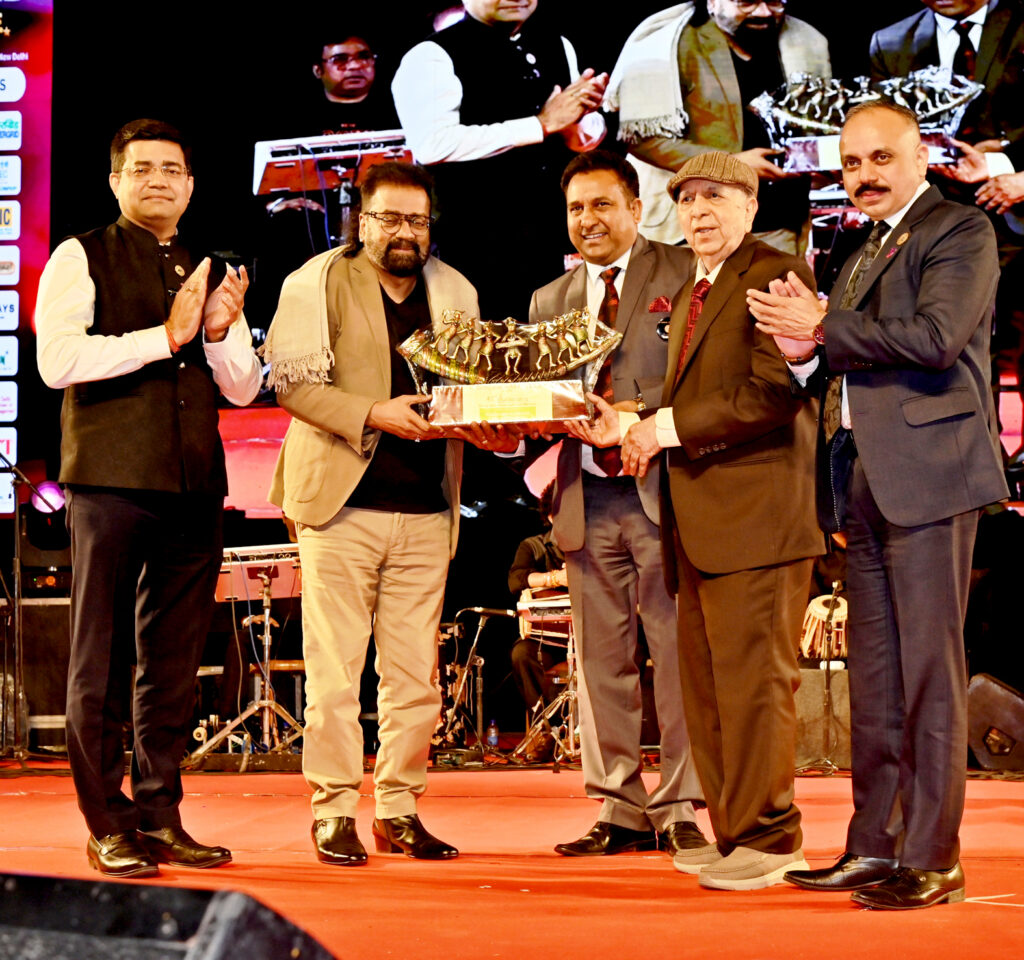
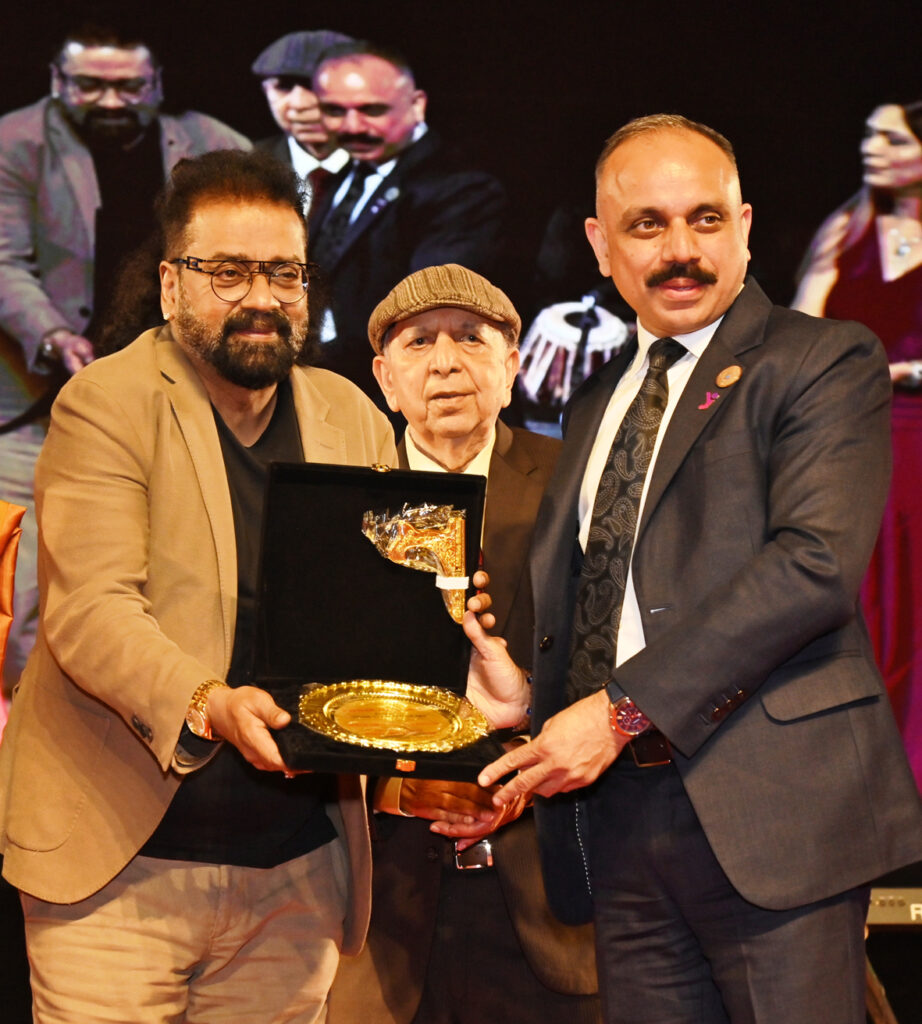
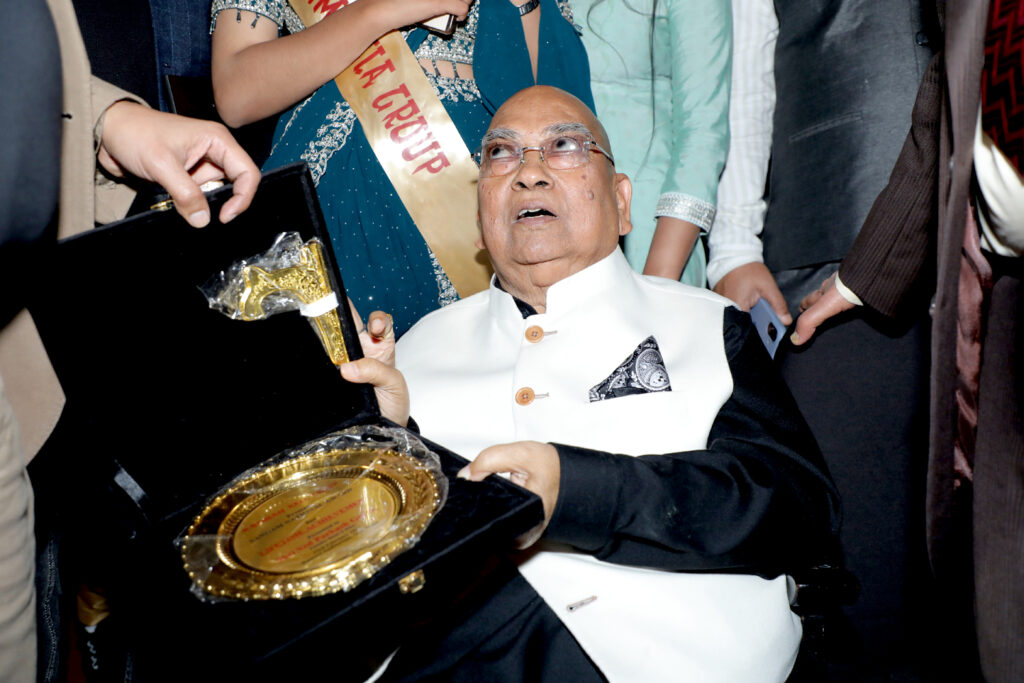
One of the most resonant moments of the evening was the presentation of the Sangam National Honours, celebrating individuals whose work has shaped India’s cultural and artistic conscience:
• Voice of the Millennium National Award: Hariharan
• National Literature–Music Inspiration Award: Ashutosh Agnihotri
• Lifetime Achievement Award: Ved Prakash Gupta
• Youth Icon Award: Shahzad Ali
• Contribution to Music Award: Pandit Vijay Shankar Mishra
• Music Promotion Award: R. R. Khanna
• Best Music Teacher Award: Tilak Malik
The evening also acknowledged Sangam Kala Group’s most active chapters across India, underlining the organisation’s belief that cultural continuity begins at the grassroots.
An Evening of Musical Intimacy
As the competitive segment gave way to curated performances, the programme softened into an immersive listening experience. Pianist Nikhil Buddhiraja, popularly known as NB, offered a serene interpretation of Raga Yaman, bridging classical structure with contemporary expression. Performances by Mohit Chopra, Abhijeet, and Himani Kapoor added warmth and familiarity, each voice carrying its own emotional colour.
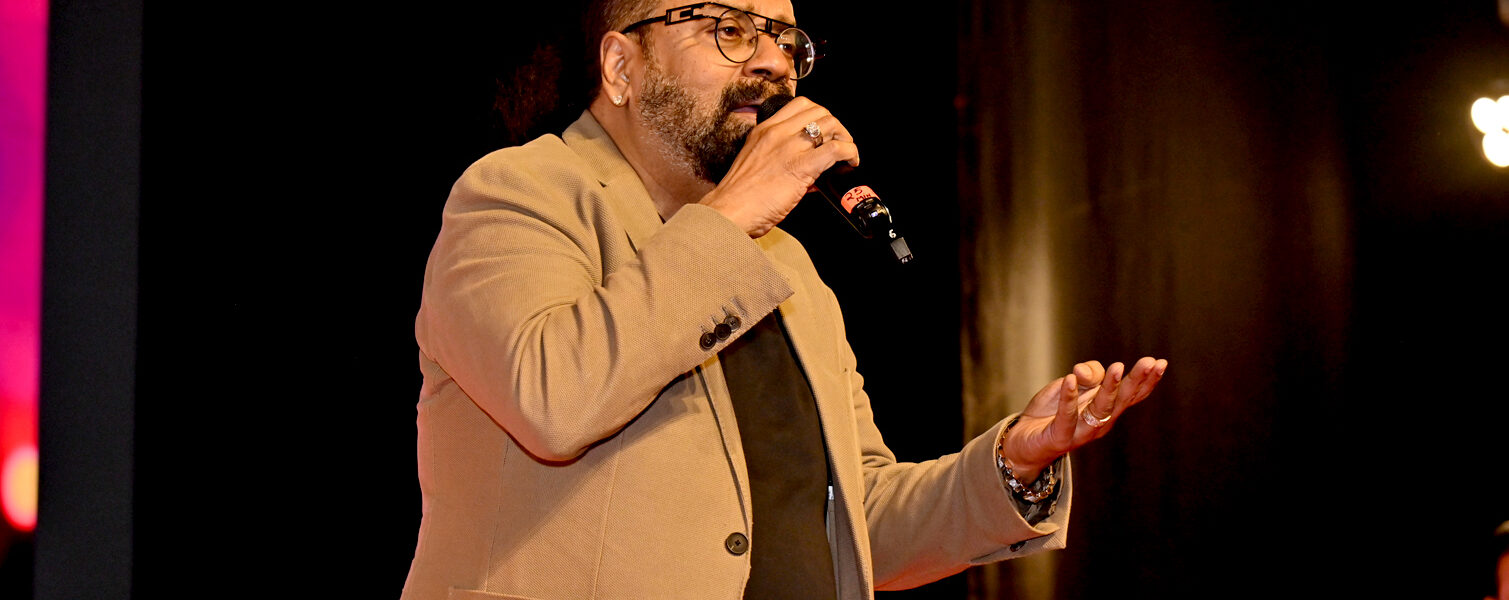
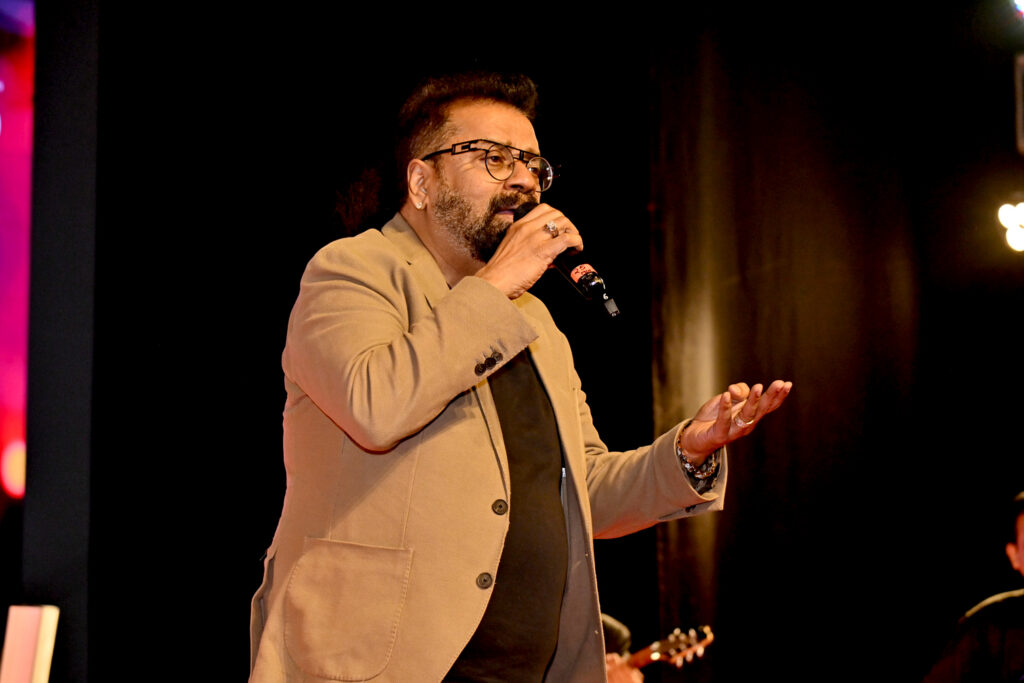
The evening reached its most unforgettable moment with the presence of Hariharan. Responding to the audience’s heartfelt request, the maestro returned to the stage to sing Roja Jaaneman, Tu Hi Re, and Nagme Hain Kisse Hain. In those few minutes, applause gave way to reverent silence—an intimate communion between artist and listener that defined the spirit of Surtarang.
Beyond Applause
As trophies and certificates were finally presented, it became clear that Surtarang is far more than a contest. It is a cultural passage—a space where discipline meets devotion, where young voices are not merely judged but guided, and where Indian musical tradition is allowed to breathe, evolve, and endure.
Elegantly anchored by radio personalities Sachin Sahni and Juhi, the evening closed with a quiet sense of fulfilment. At 41, Surtarang stands not as a memory of the past, but as a living promise—listening closely for the next voice that will carry India’s music forward.