The Silent Canvas:My Journey to Mulshi
By Shital Verma
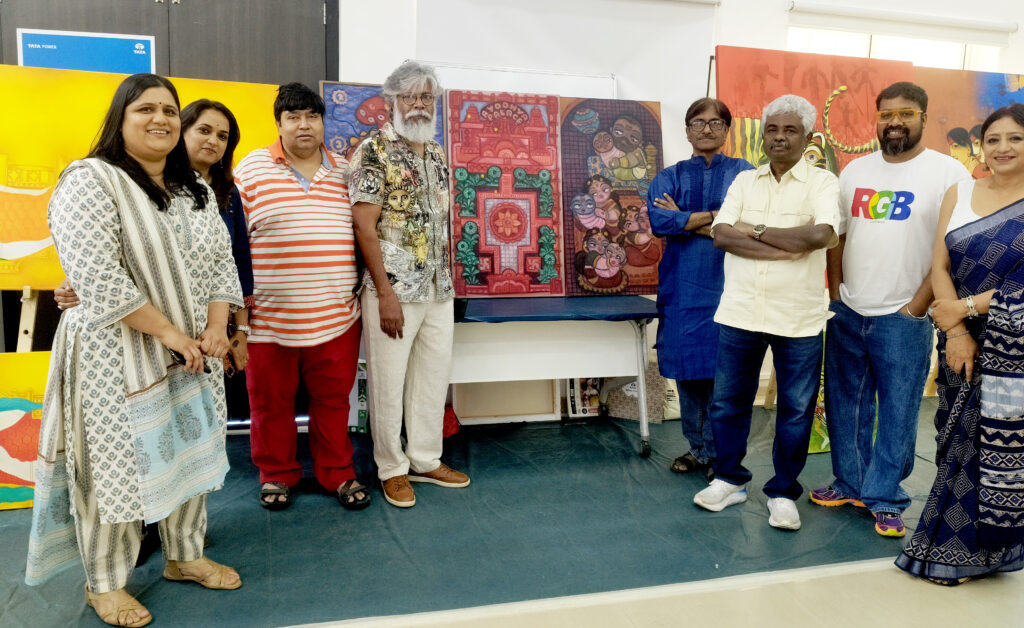
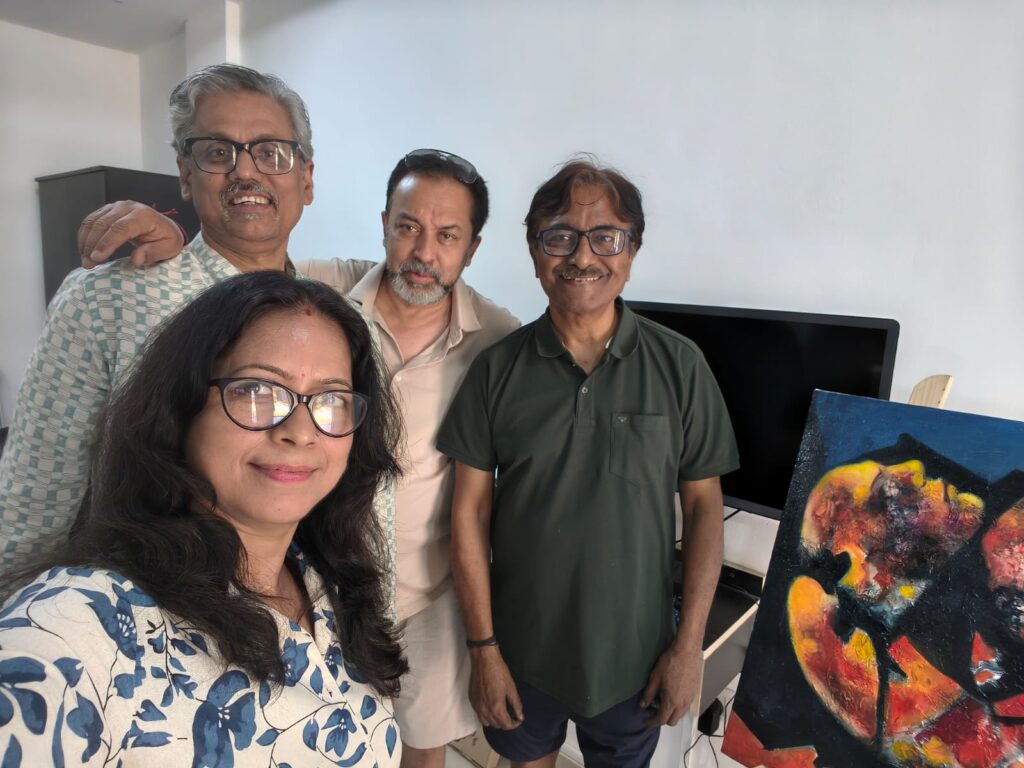
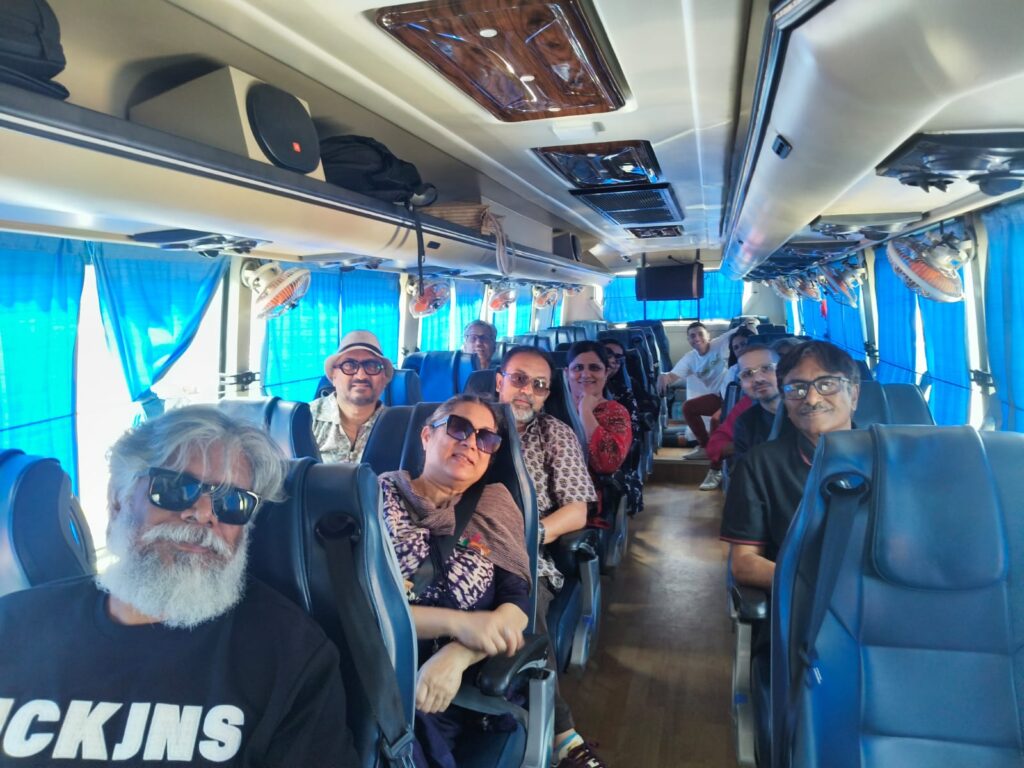
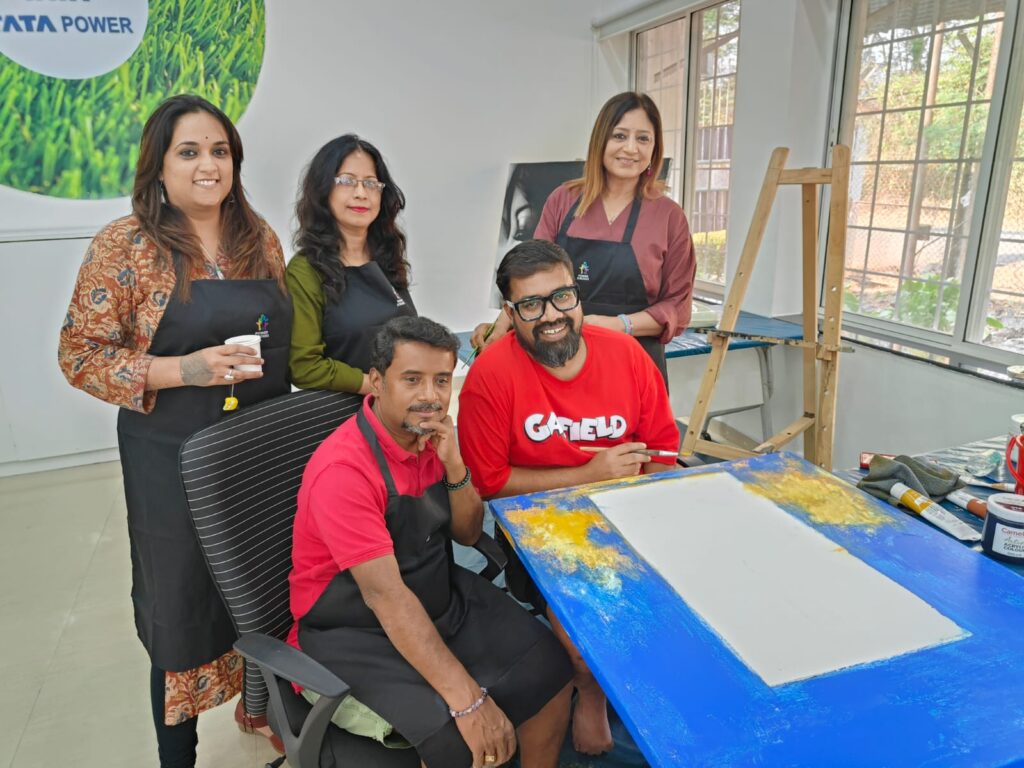
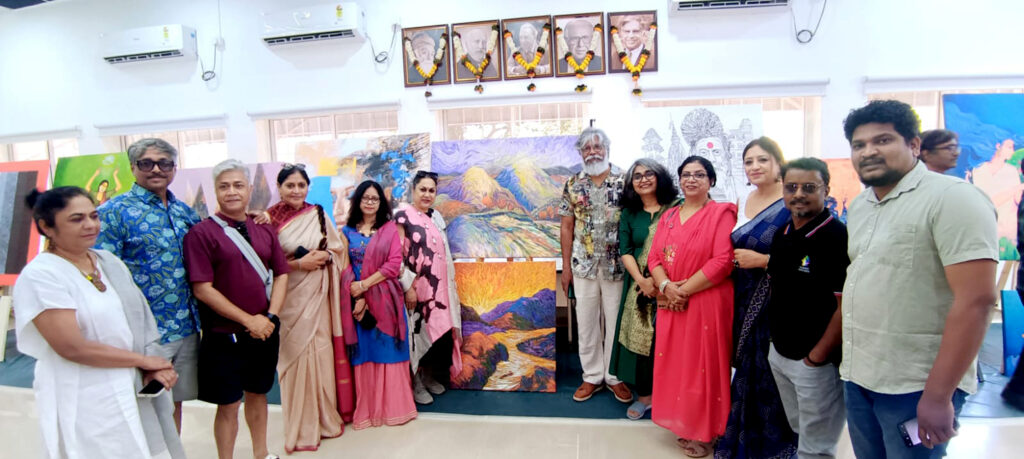
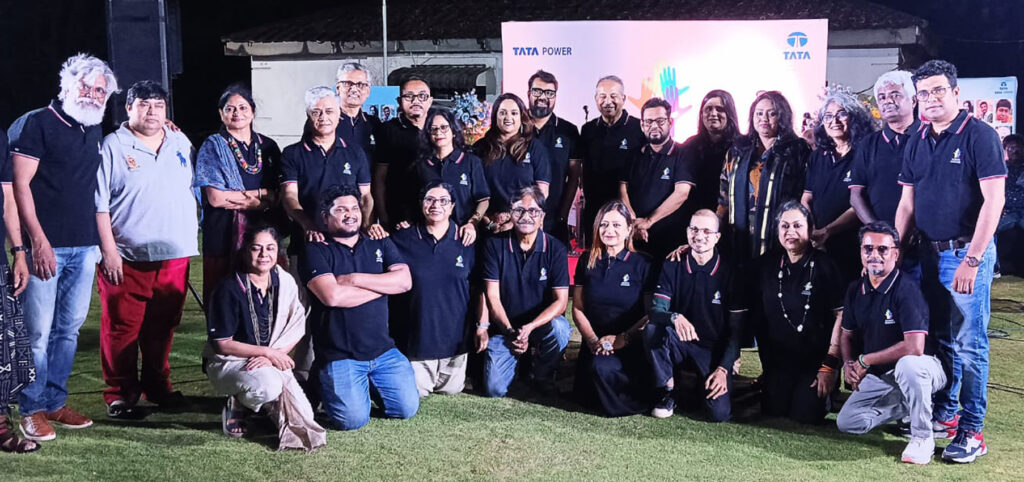
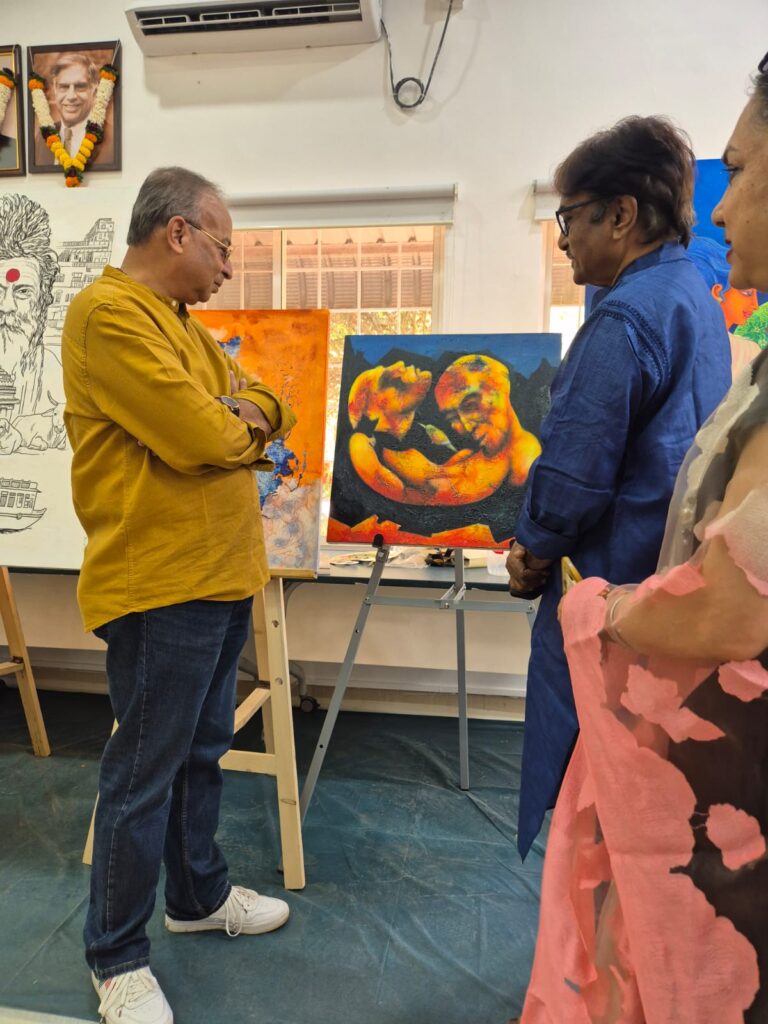
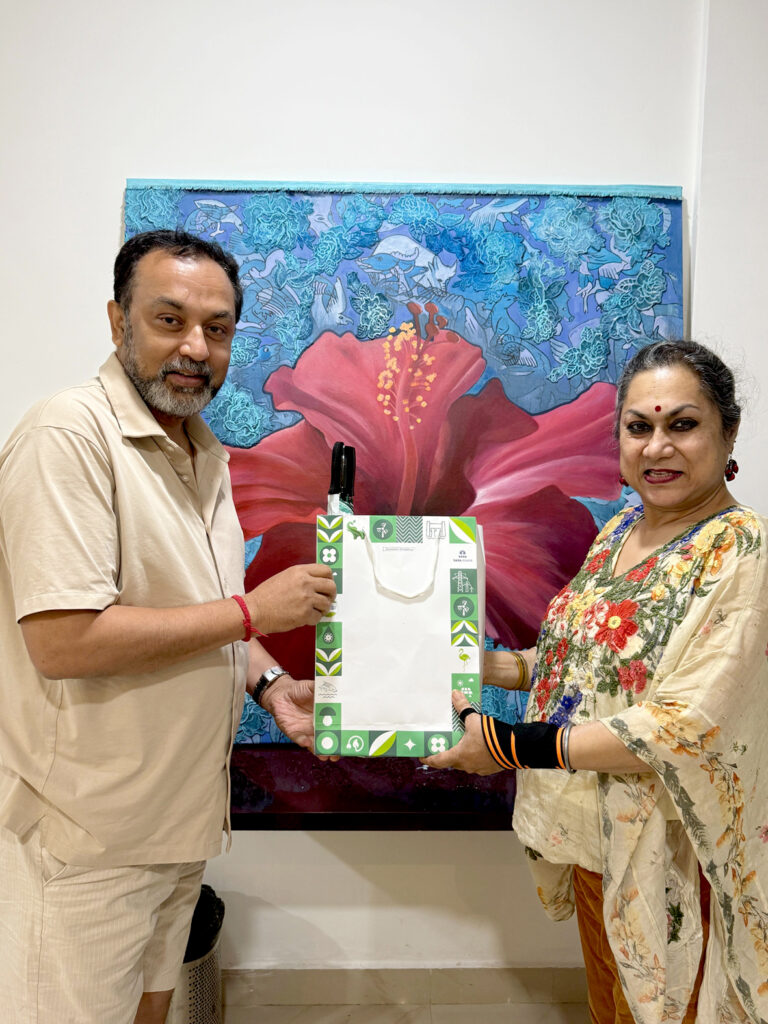
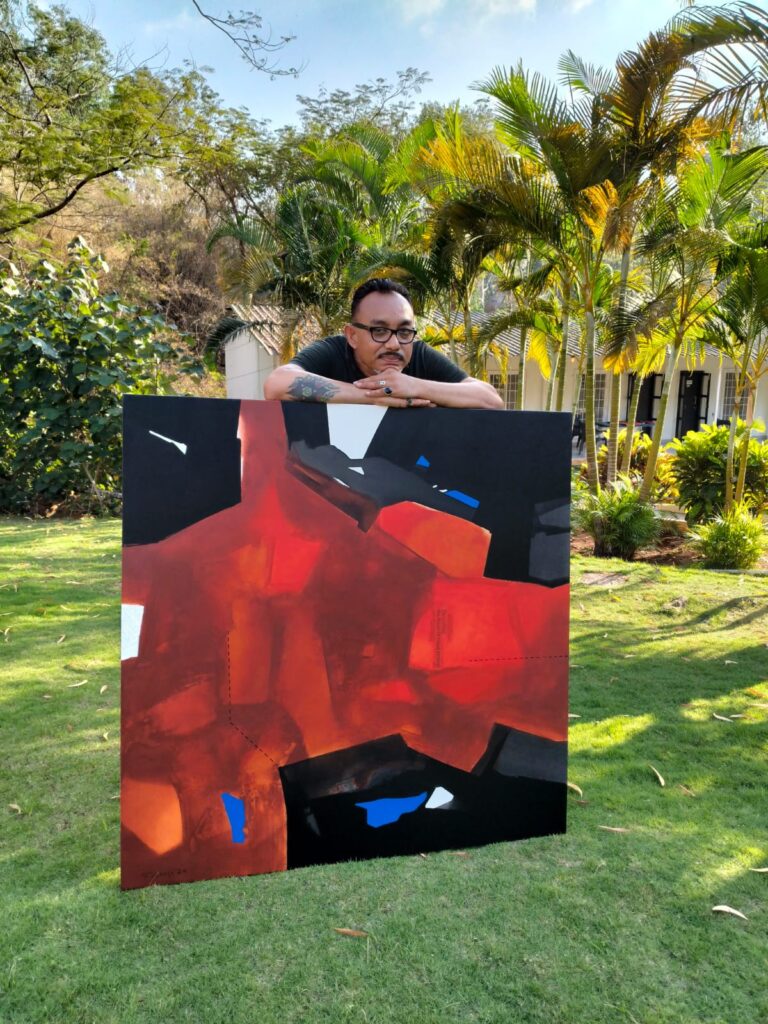
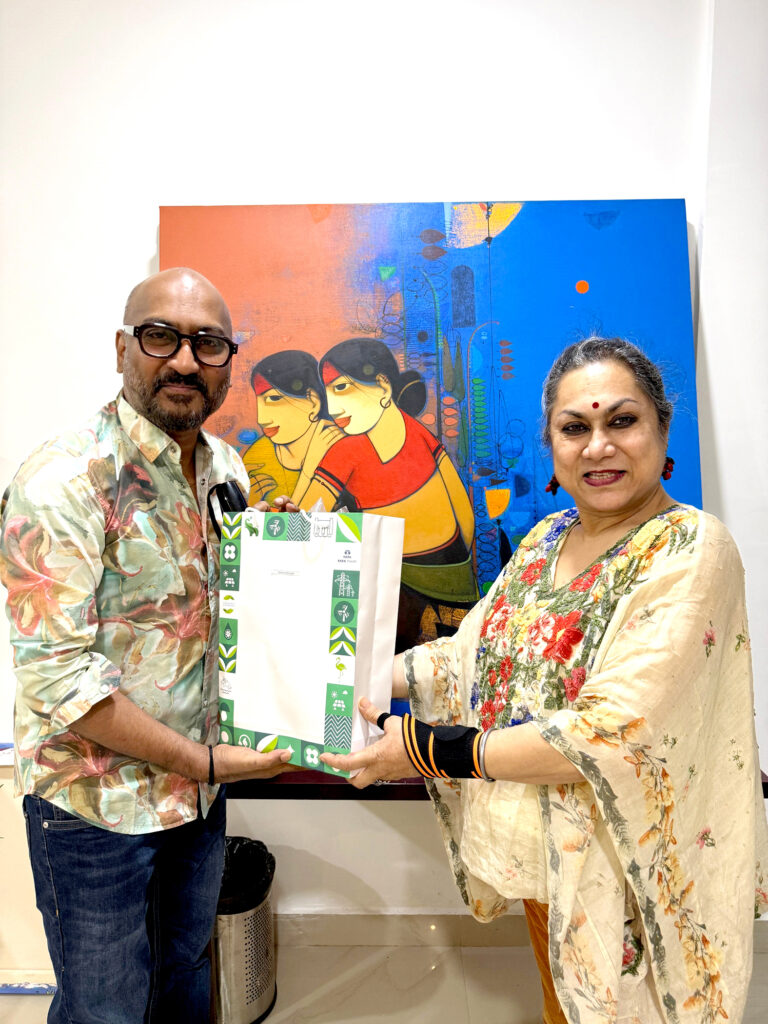
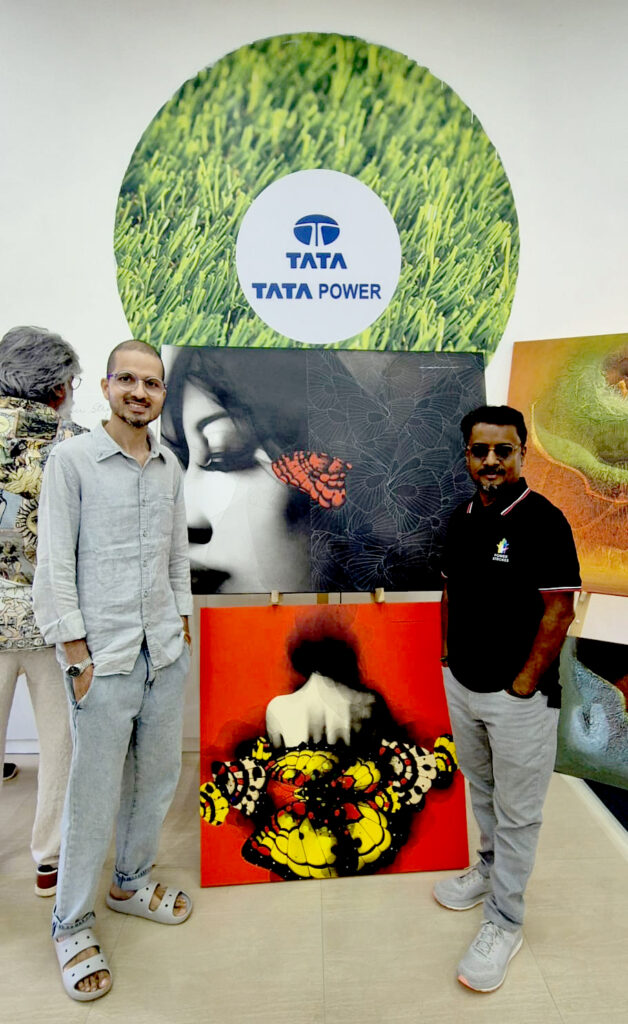
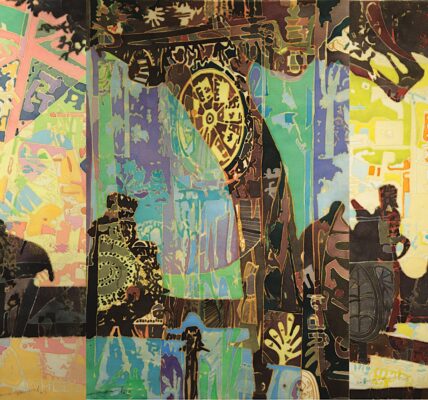
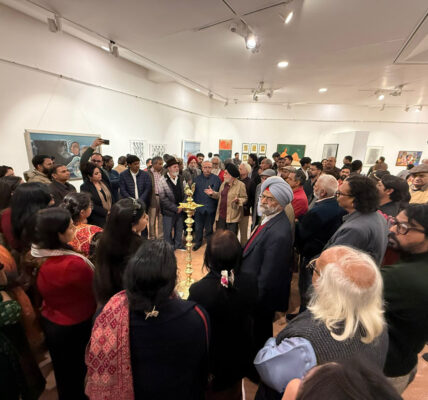
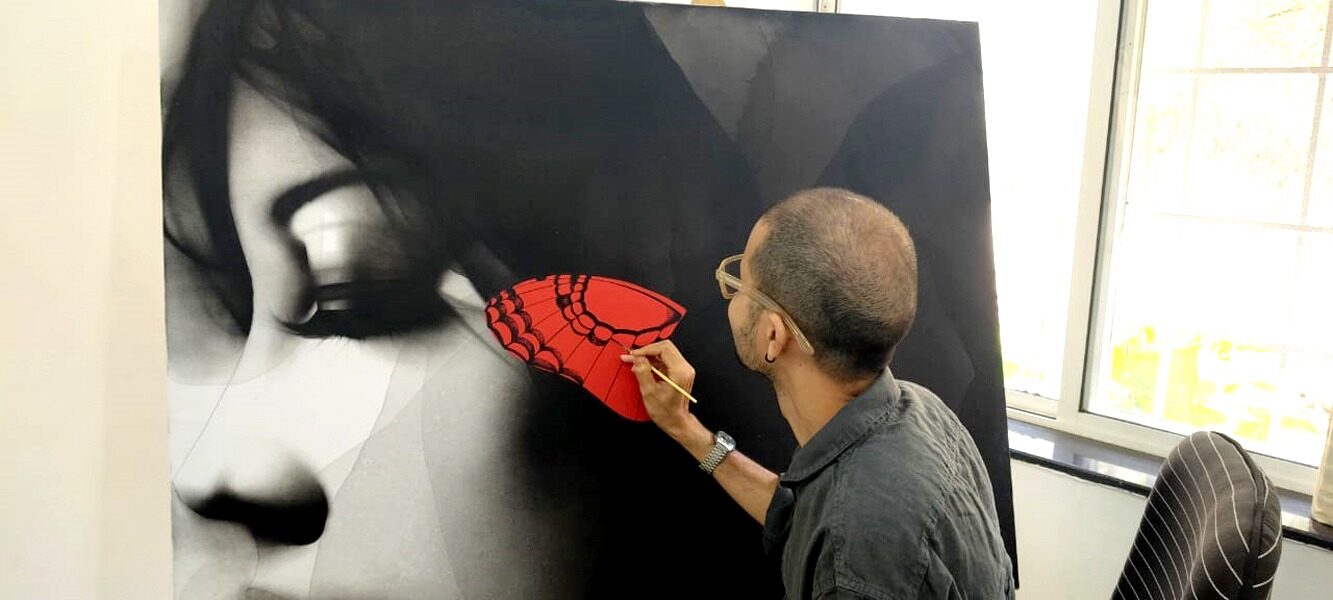
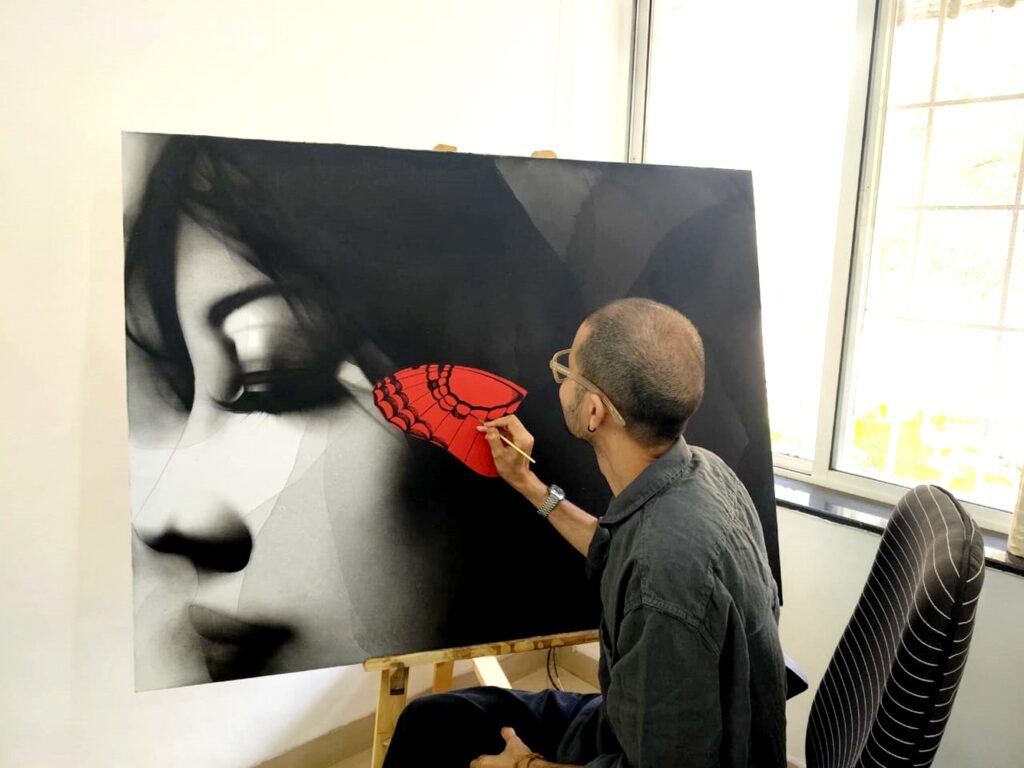
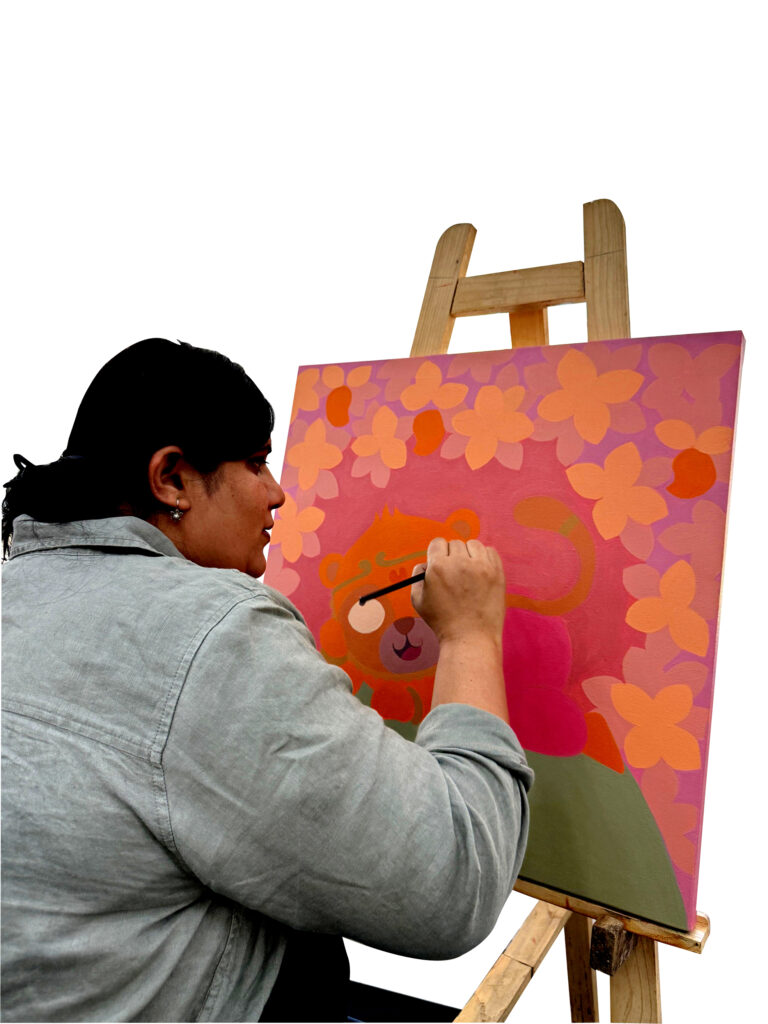
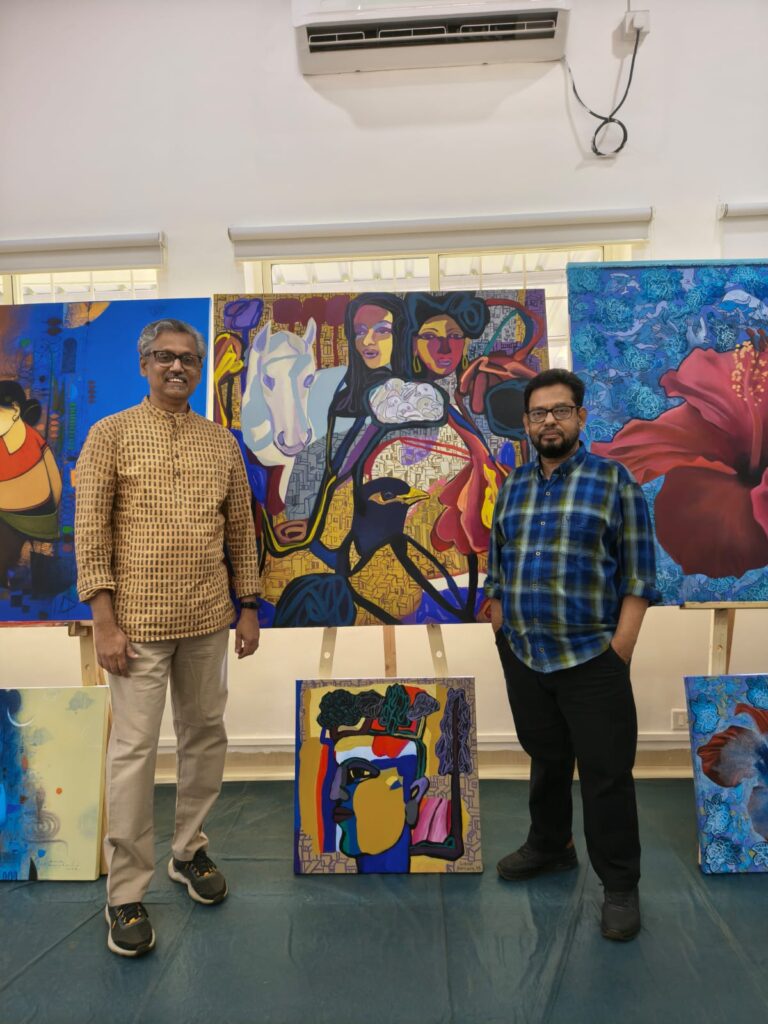
Last week, I had the honor of attending a prestigious TATA Power art camp organized by Tanya Goyal, in the heart of Mulshi, Pune. For an artist, it wasn’t just an event; it was a lifetime milestone. It was a space where time seemed to fold in on itself, leaving only the essential: the landscape, the creator, and the medium.
A Sanctuary of Silence
and Water
The Mulshi Dam area is a hidden gem of the Sahyadri range, known for its mist-covered peaks and deep green valleys. The resort was beautifully remote-the kind of place where your phone becomes a paperweight. For a modern professional, this digital disconnection is often feared, but for an artist, it is the ultimate gift.
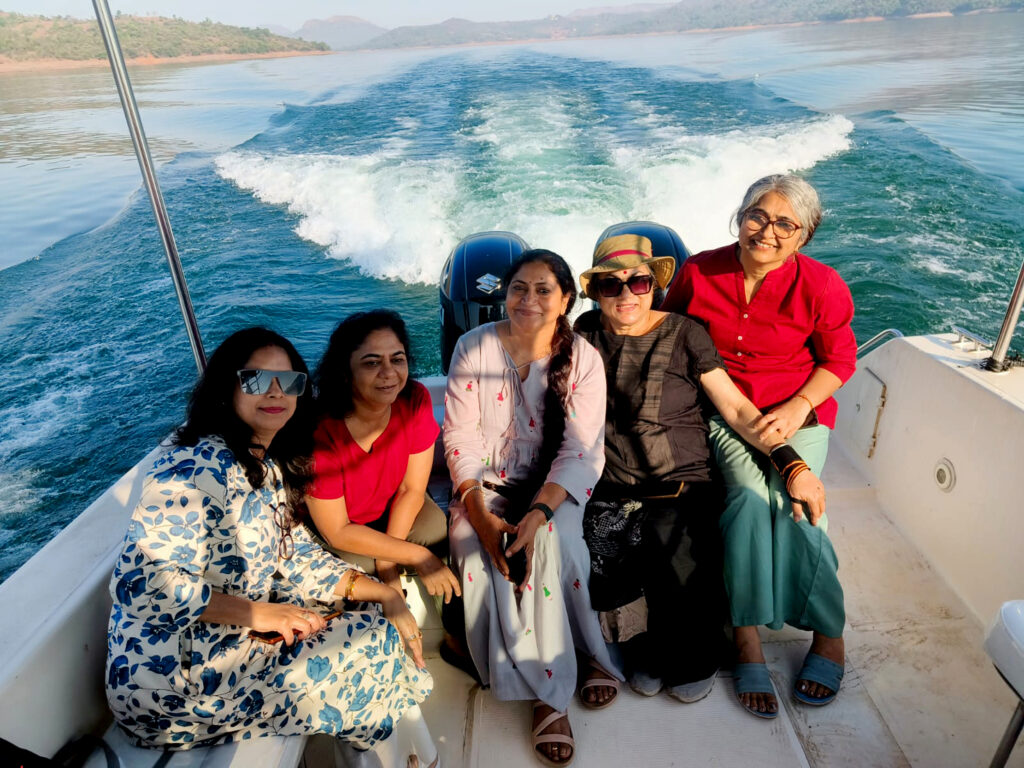
Twice during the trip, we started our morning on the water. The motorboat rides across the vast reservoir offered a unique perspective of the landscape. As the boat sliced through the glassy surface of the lake, the cool spray and the low hum of the engine were the only sounds breaking the dawn silence. Witnessing the mountains from the center of the water provides a sense of scale that is humbling. Back on land, I spent hours exploring the winding pathways around the resort, finding inspiration in every leaf, the texture of the basalt rocks, and the shifting light along the trails.
The Monastic Dedication
of the Artist
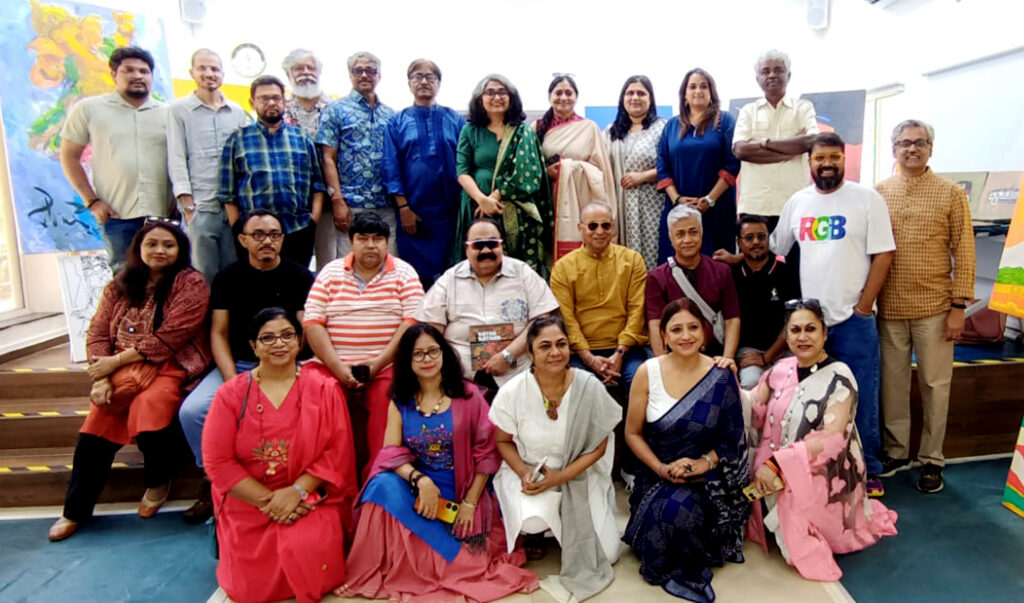
Being surrounded by dozens of masters of their craft highlighted a profound truth: an artist’s dedication is a form of quiet worship. Throughout the camp, I observed a level of focus that can only be described as monastic. While the world outside is obsessed with speed and “engagement metrics,” the artists at Mulshi were obsessed with the curve of a line or the exact transparency of a glaze.
I watched as veteran painters sat for hours, eyes locked on the horizon, not moving a brush until they had truly seen what they were looking at. This is the “detachment” that defines the creative spirit. It is not a lack of care for the world, but rather a temporary withdrawal from its noise to better understand its essence. In that remote resort, the lack of a mobile network wasn’t a hurdle; it was a liberation. It forced us to look inward and at each other, rather than at a glowing screen. This detachment allows the subconscious to surface-the place where true creativity resides. When you are no longer tethered to “notifications,” your mind begins to notify you of ideas you had long suppressed.
A Masterclass in Technique and Soul
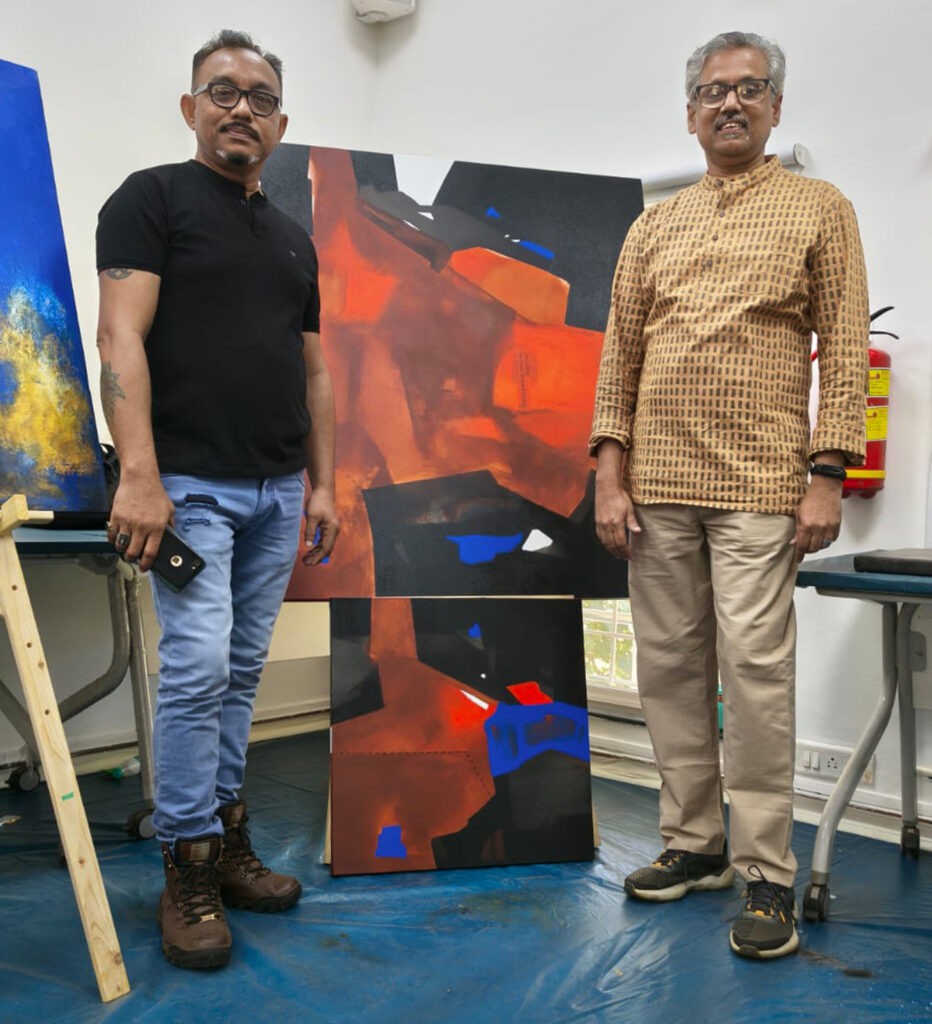
Because I had arrived with my artwork already completed-driven by pure excitement to immerse myself in the experience-I had the rare luxury of time. This allowed me to become a student of my peers. The camp was a living, breathing encyclopedia of diverse techniques:
The Fluidity of Watercolours: I watched artists battle the humidity of the hills, mastering the “wet-on-wet” technique where the paint bleeds into the canvas in unpredictable, beautiful ways. It requires a balance of control and surrender-much like life itself.
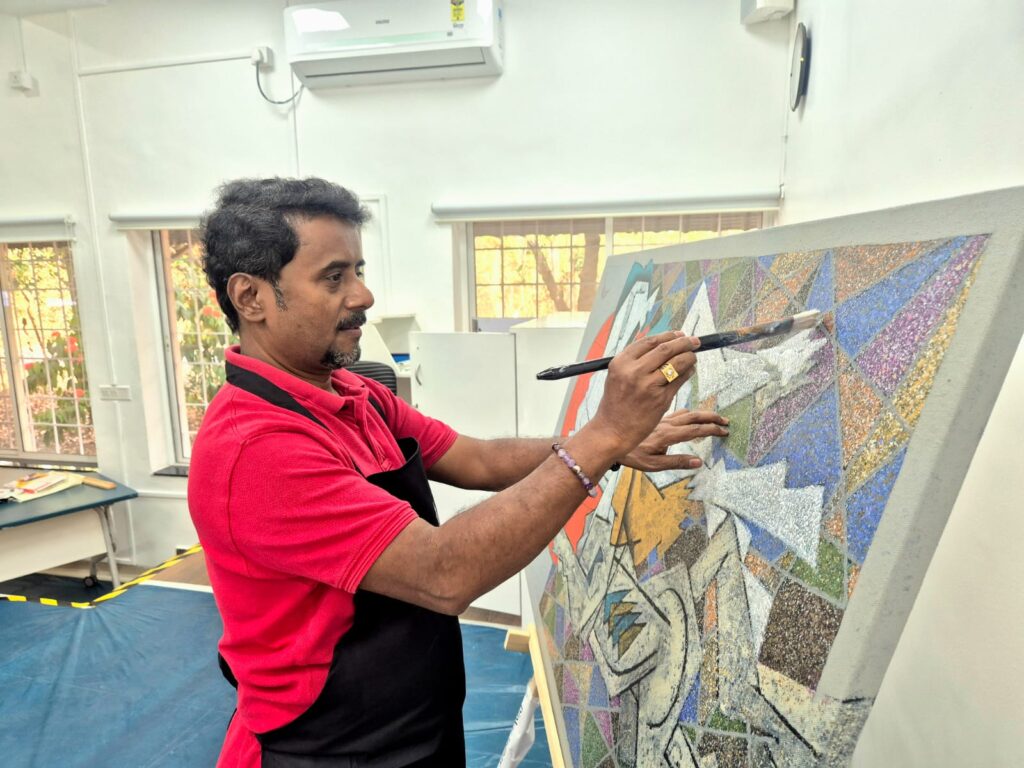
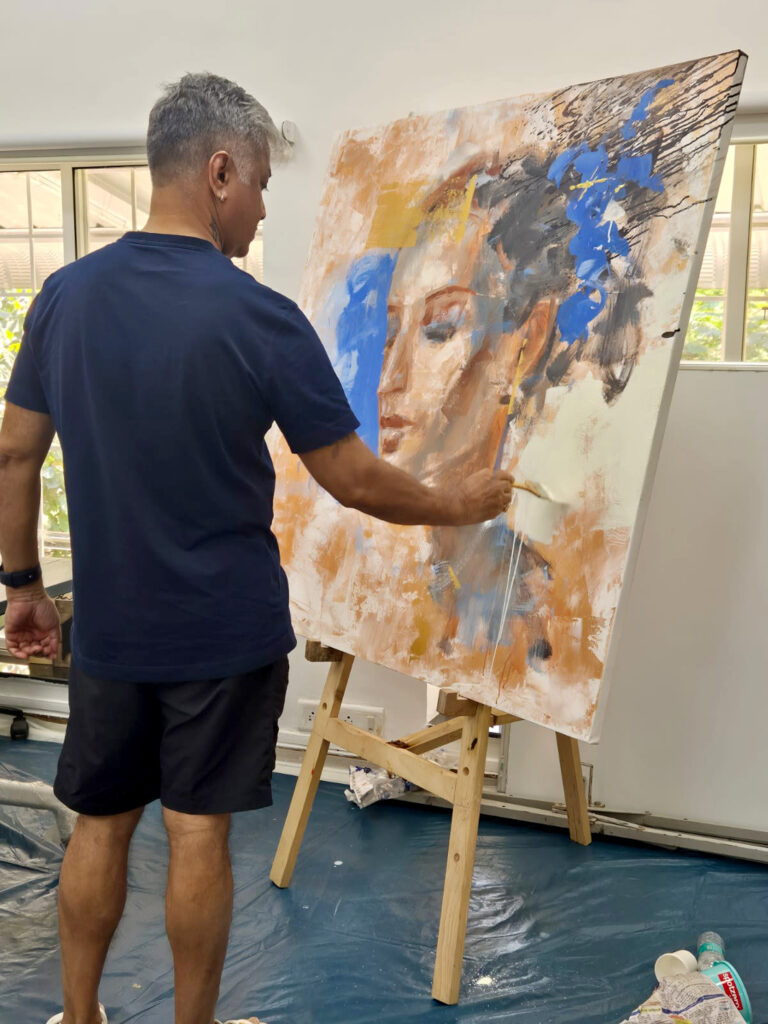
The Tactile Depth of Acrylics and Oils: Others worked with heavy impasto, using palette knives to layer paint so thick that the artwork became a three-dimensional topography of the Mulshi landscape.
Observing these different approaches reminded me that creativity is not a single path, but a spectrum. One artist might find truth in a single minimalist stroke, while another finds it in a thousand overlapping colours. Yet, the common thread was their relentless dedication. They worked through the heat of the afternoon and the dimming light of dusk, driven by an internal clock that doesn’t care about a standard 9-to-5 workday.
Harmony of Routine: Yoga, Meditation,
and Art
My days followed a soulful rhythm that felt like a “pre-Vipassana” journey. At dawn, as the sun began to paint the sky in hues of saffron and violet, I practiced yoga. The physical stretching of the body mirrored the mental stretching required for creative work.
The meditation sessions were the cornerstone of my experience. In the absence of digital distractions, meditation becomes much deeper. It clears the “mental clutter”-the emails, the deadlines, the professional anxieties-leaving a blank canvas in the mind. For an artist, a clear mind is as important as a clean palette. When you sit in silence overlooking the Mulshi reservoir, you begin to hear the “music” of the landscape. You notice the rhythm of the wind through the trees and the syncopation of the birds. This clarity allowed me to engage with the other artists from a place of peace rather than ego.
A Feast for the Senses and the Spirit
The evenings provided a necessary counterpoint to the solitary nature of creation. After a day of deep focus and detachment, the “quiet” of the day transformed into a vibrant celebration.
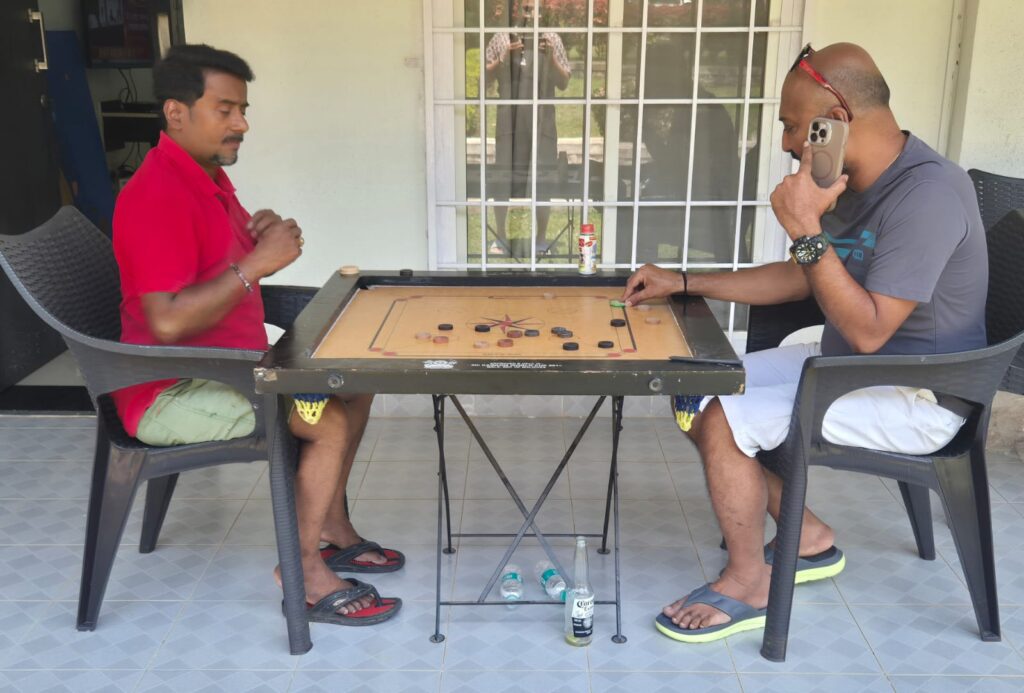
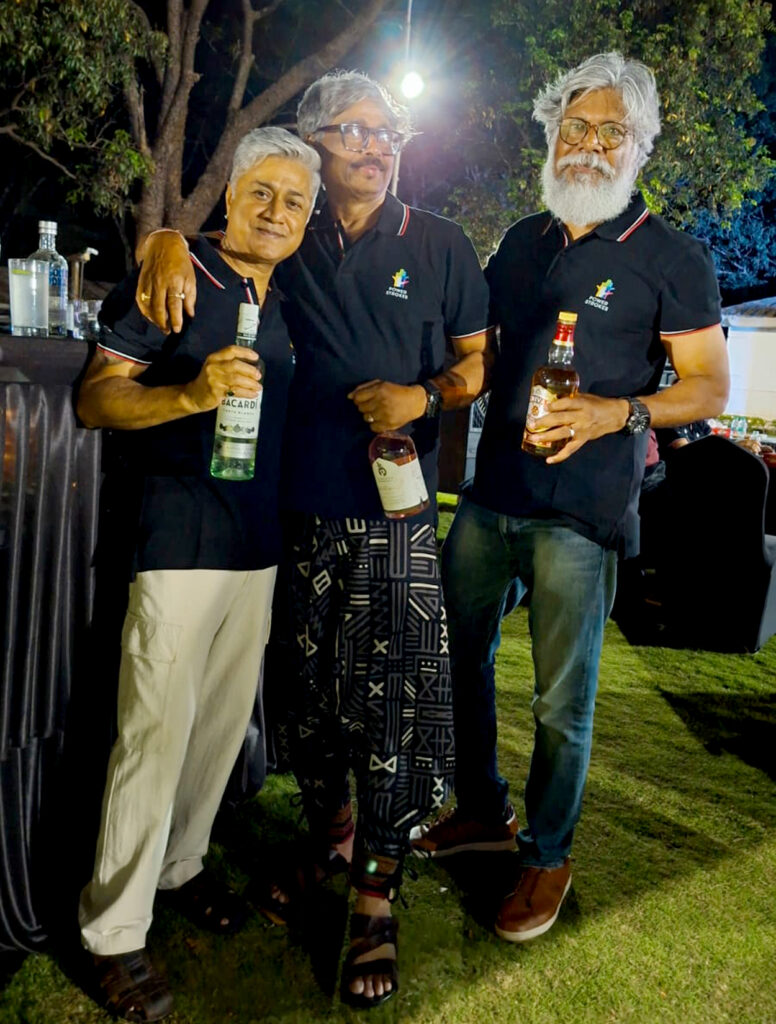
We were treated to different delicacies every night-aromatic local spices, slow-cooked grains, and flavors that felt as rooted in the earth as the mountains around us. These meals were more than sustenance; they were an extension of the local culture. As the night deepened, the atmosphere would shift into one of pure, uninhibited joy. We broke into singing and dancing, the rhythmic movement acting as a release for the creative tension built up during the day.
In these moments, the boundaries between “master” and “student” or “traditional” and “modernist” vanished. We were simply humans celebrating the fact that we could create something out of nothing. The laughter shared over a meal and the stories told under the stars forged a sense of community that is rare in the competitive professional world.
The Return: Recharged and Redefined
I returned home from Mulshi not just with memories, but with a recharged spirit. The experience reinforced a vital lesson: Creativity requires “The Great Disconnect.” To find your true voice, you must occasionally go where the world cannot find you. You must trade the “signal” for the “silence.” Whether it is the stillness of a motorboat ride at 6:00 AM or the intense focus of a meditation session, these moments of detachment are where the soul gathers the strength to speak.
The Mulshi art camp was a reminder that while techniques vary and styles evolve, the heart of an artist remains the same. It is a heart that seeks beauty in the remote, finds rhythm in the routine, and understands that sometimes, the most productive thing an artist can do is sit still and breathe. I am deeply grateful to Tata Power for curating a space where art wasn’t just made, but lived.
This experience has left me wondering: in our hyper-connected lives, how often do we actually allow ourselves the “boredom” or the “silence” necessary for a breakthrough? Following your time in Mulshi, do you feel your perspective on your next project has shifted toward a more “meditative” style of execution?