The Visionary Behind the Canvas: Understanding Vincent van Gogh
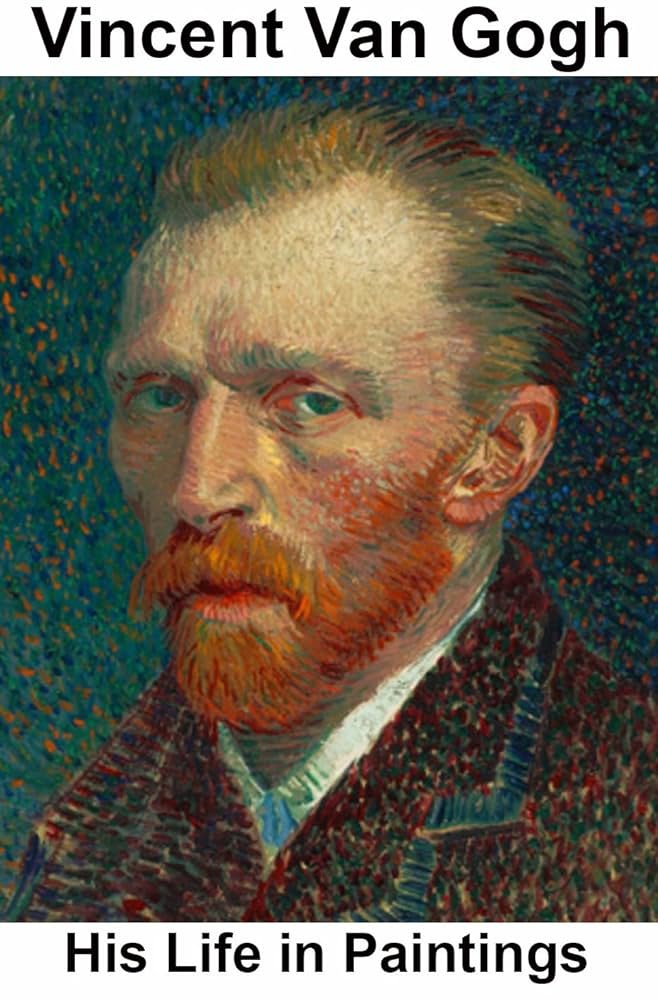
Few artists in history have left as indelible a mark on global visual culture as Vincent van Gogh (1853–1890). Though his active career as a painter lasted just a single decade, his work transformed Western art and laid the groundwork for modern Post-Impressionism and Expressionism. Defined by emotional depth, vivid color choices, and dynamic brushwork, Van Gogh’s art converted internal experience into external color and form.
The Early Years: Earthy Realism and Labor
Before picking up a brush at age 27, Van Gogh led a restless life—working briefly as an art clerk, a schoolmaster, and an evangelical lay preacher in the impoverished mining communities of Belgium.
When he finally dedicated himself to art in 1880, his early works were heavily influenced by Dutch realism. He painted peasant life and rural landscapes in deep, somber earth tones. His early masterpiece, The Potato Eaters (1885), reflected his deep empathy for working-class struggles, rendered with rugged textures and dark, muted palettes.
The Paris Transformation: Light and Color
In 1886, Van Gogh moved to Paris to live with his younger brother, Theo, an art dealer who remained his lifelong benefactor and closest confidant.
Paris introduced Vincent to the bright, luminous techniques of the Impressionists (such as Monet and Pissarro) and the intricate patterns of Japanese woodblock prints (Ukiyo-e). Abandoning his dark Dutch palette, he began experimenting with:
- Saturated, pure color contrasts
- Broken, pointillistic brushstrokes
- Lighter tonalities and expressive portraits
The Southern Sun: Arles and the Peak of Creation
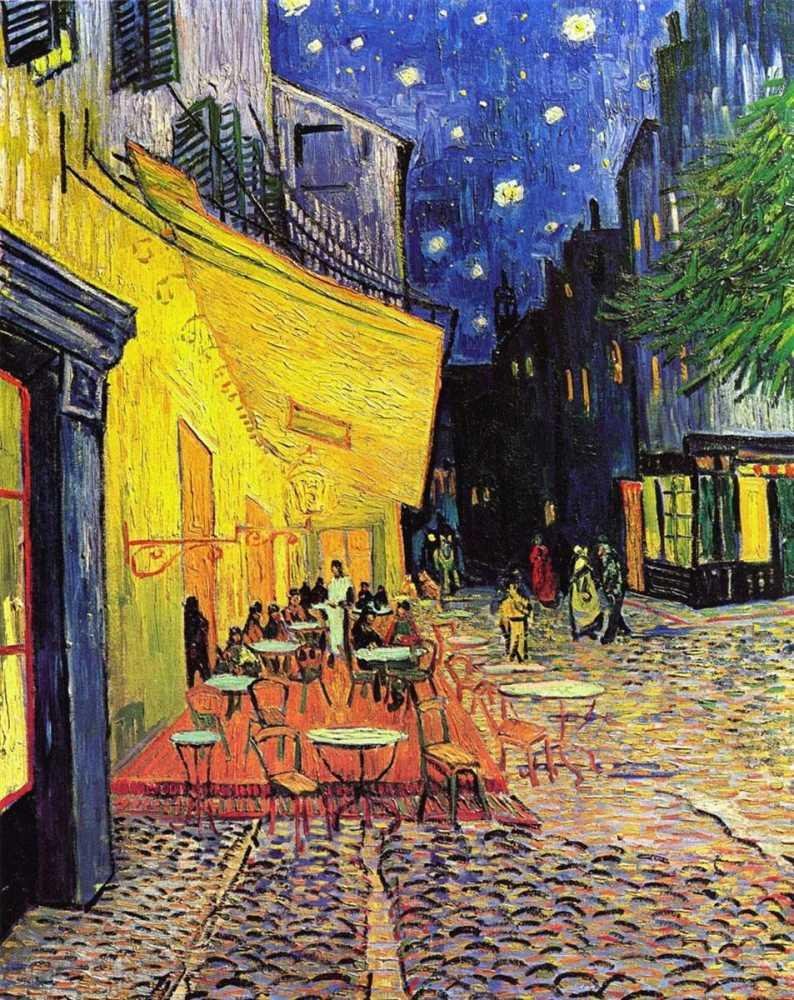
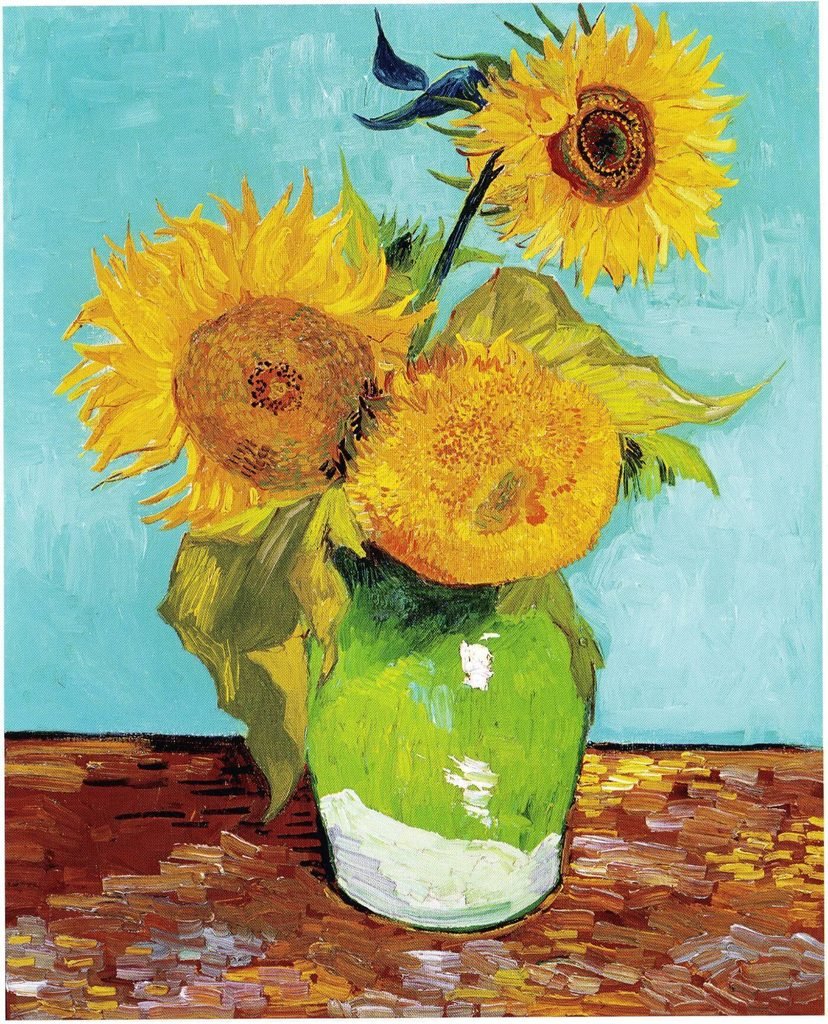
Seeking sunlight and artist companionship, Van Gogh moved to Arles in the south of France in 1888. This period marked one of the most creatively prolific phases in art history.
Renting the famous “Yellow House,” he envisioned an artists’ collective and painted iconic works such as Sunflowers, The Yellow House, and The Night Café. His stay with fellow artist Paul Gauguin ended dramatically following a breakdown in late 1888, after which Van Gogh voluntarily admitted himself to the Saint-Paul-de-Mausole asylum in Saint-Rémy-de-Provence.
The Asylum Period: Swirling Skies and Motion
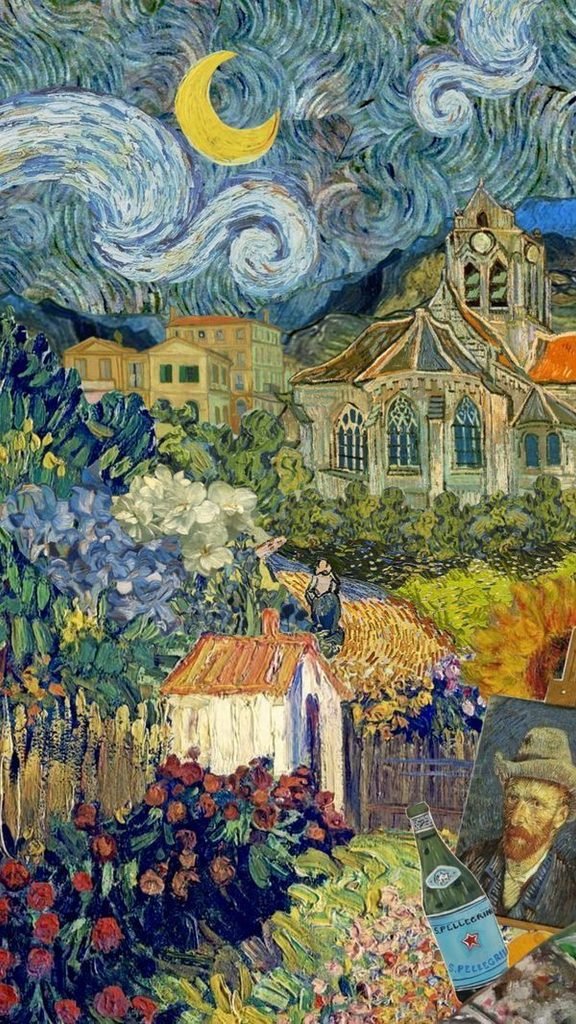
Despite severe mental health struggles, his time in Saint-Rémy was intensely productive. Confined to the asylum, he created over 150 paintings in a single year, translating his environment into swirling, rhythmic compositions.
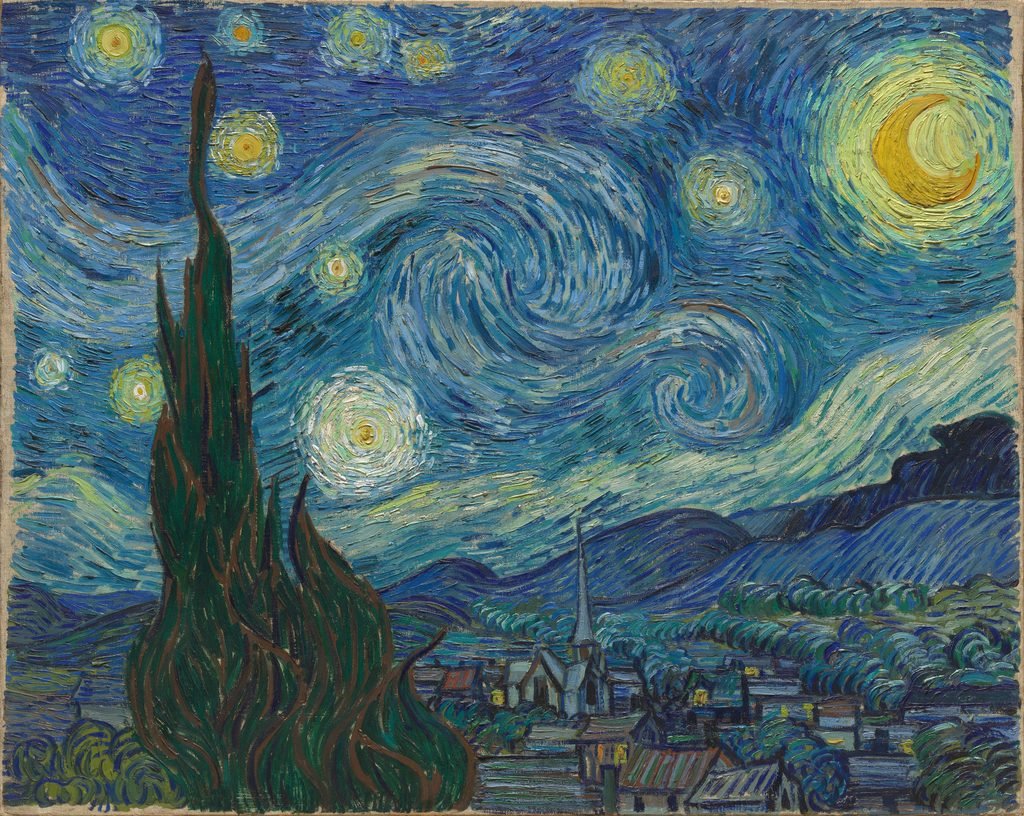
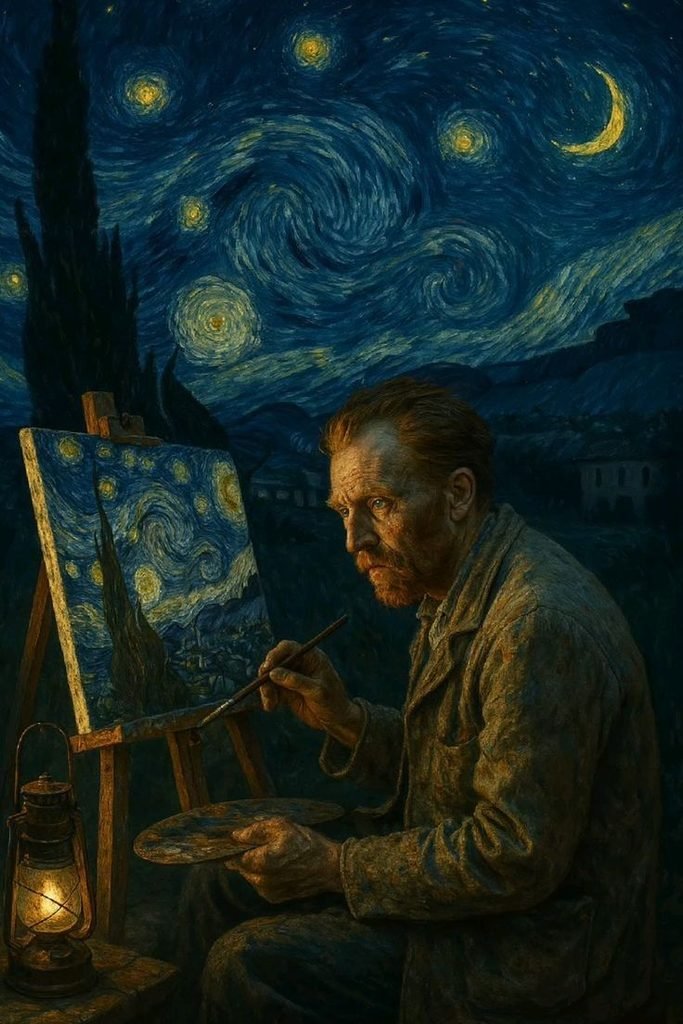
It was during this time that he painted his most famous work, The Starry Night (1889)—a masterpiece of engineered tension, expressive movement, and vibrant blues and yellows that captured a swirling sky over a quiet village.
Legacy: From Solitude to Global Icon
Van Gogh passed away in July 1890 in Auvers-sur-Oise at the age of 37, having sold only a handful of paintings during his lifetime.
Through the dedicated efforts of Theo’s wife, Jo van Gogh-Bonger, who preserved and championed his vast collection of art and letters, Van Gogh’s genius achieved worldwide recognition posthumously. Today, his works are celebrated not merely for their dramatic biographical context, but for their structural mastery, bold line work, and enduring emotional resonance.