Signals Across the Cold Desert: How the Inaugural sā Ladakh Biennaleis RedefiningHigh-Altitude Art
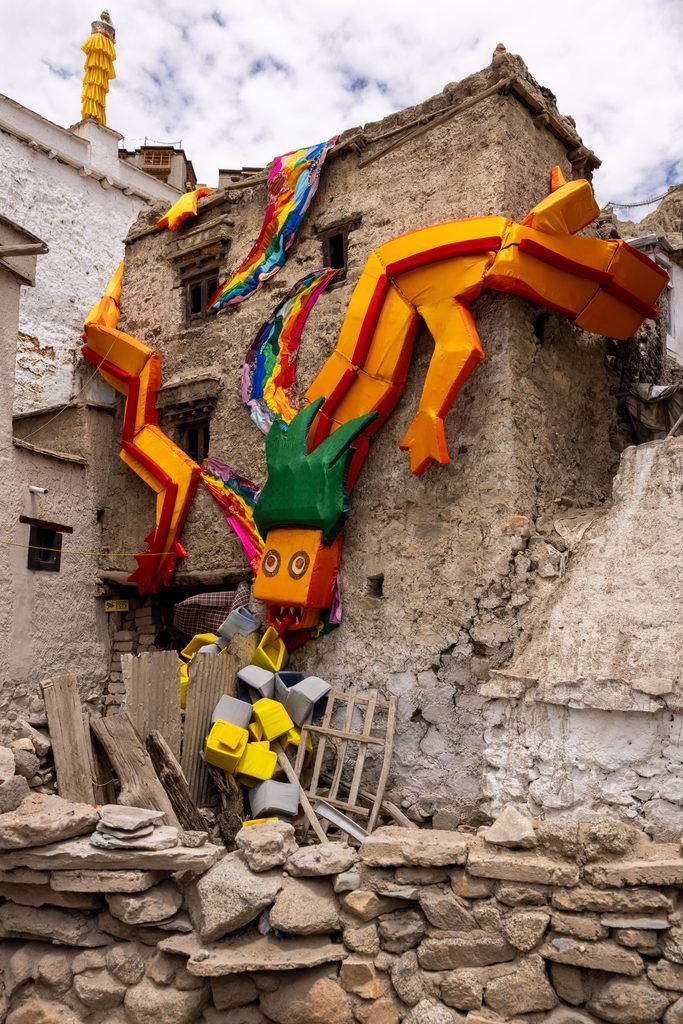
At elevations exceeding 3,000 meters above sea level, where thin air opens into geological scales of deep time, a radical cultural movement has taken form. Taking place from 1 to 10 August 2026, the inaugural sā Ladakh Biennale unfolds across the Himalayan terrain of Ladakh, establishing itself as the world’s highest regenerative land art biennale. Grounded in the native Ladakhi word sā—meaning “soil”—the exhibition transforms an entire region into an active, living canvas.
Rather than confining art within white-cube galleries, the Biennale completely eschews traditional, urban exhibition models. It features no single opening or closing ceremony, no ticketing, and no rigid gallery structures. Instead, it stretches across a 230-kilometer route along the historic Leh–Kargil corridor—a vital node of the ancient Silk Route—activating eight distinct cultural, geographical, and community nodes: Old Leh Town, Basgo, Likir, Nurla, Lamayuru, Henasku, Mulbekh, and Kargil.
SĀ LADAKH BIENNALE AT A GLANCE
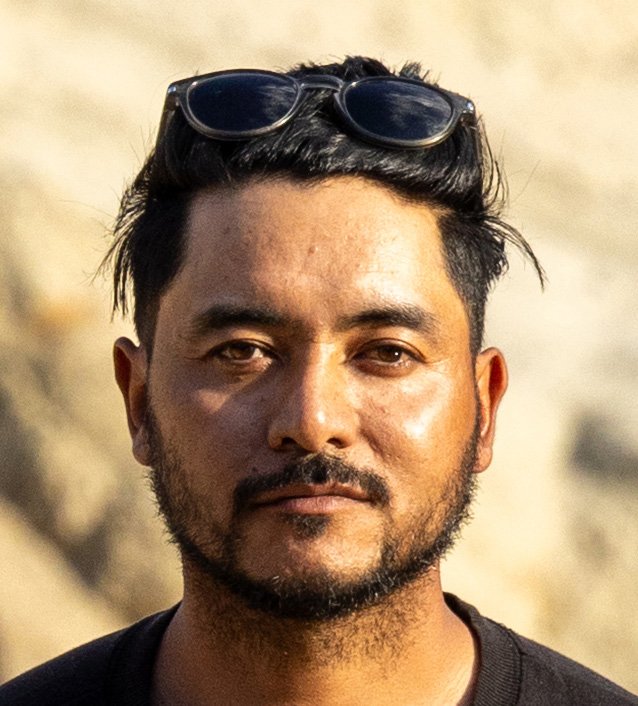
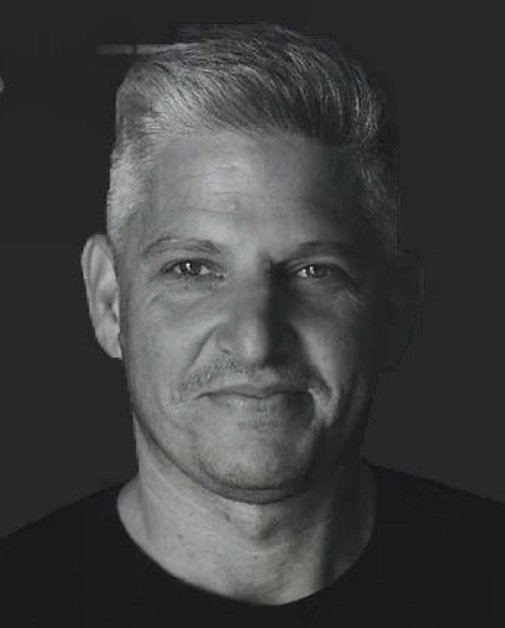
The event runs from 1–10 August 2026 under the curatorial theme Signals from Another Star, led by Curator Vishal K Dar and Associate Curator Tsering Motup Siddho. Co-founded by Raki Nikahetiya, Sagardeep Singh, and Tenzin Jamyang, the project spans a 230 km corridor across 8 primary sites situated at altitudes above 3,000 meters. Bringing together 25 International and Ladakhi Artists (19 Regenerative On-site Installations + 6 ‘raisings flags’), its core methodology centres on regenerative land art, community inclusion, and deep-time ecology.
A PILGRIMAGE OF SIGNALS AND FREQUENCIES
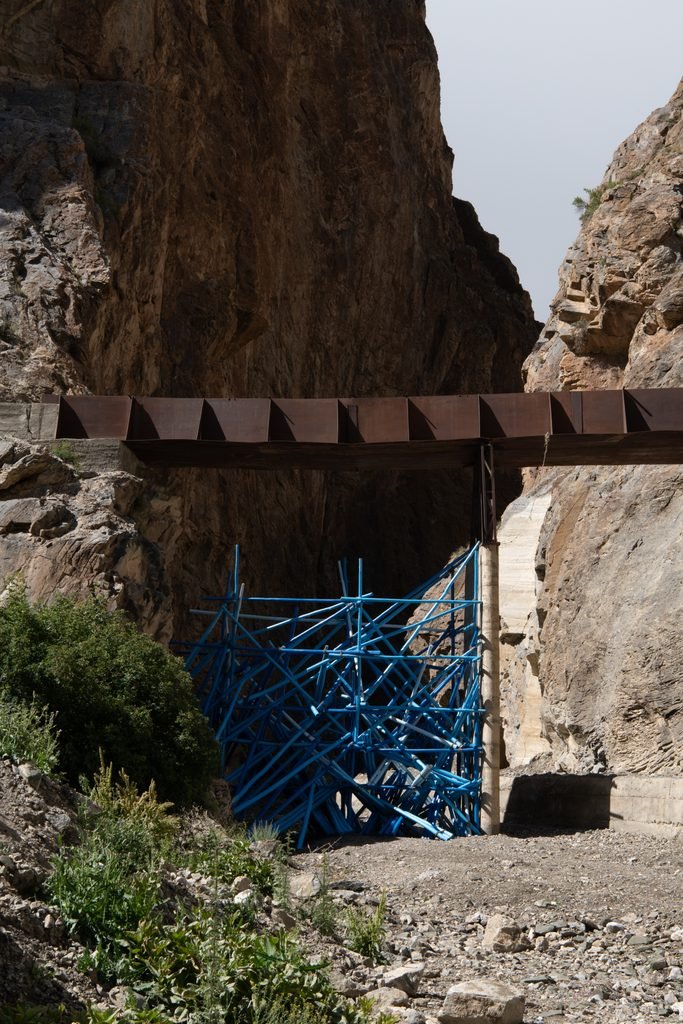
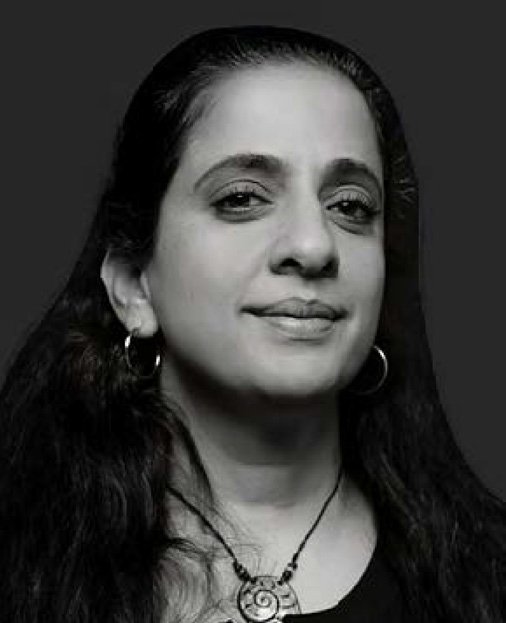
Guided by the curatorial theme Signals from Another Star—inspired by Hermann Hesse’s 1918 book Strange News from Another Star—curator Vishal K Dar alongside Associate Curator Tsering Motup Siddho approaches site-responsiveness not as a static display, but as an ongoing transmission. The framework envisions each installation as a beacon emitting frequencies shaped by memory, weather, trade routes, and fragile mountain ecosystems.
The exhibition challenges the fast-paced, high-carbon consumption typical of global art fairs. Co-founder Raki Nikahetiya emphasizes that visiting the Biennale demands a deliberate shift in perspective, turning art viewing into an experience of vulnerability where visitors feel small against the backdrop of the high desert. Journeying between sites requires visitors to slow down, acclimatize to the altitude, and engage mindfully with the land.
Key Installations:
Soil, Memory, and Material Interventions
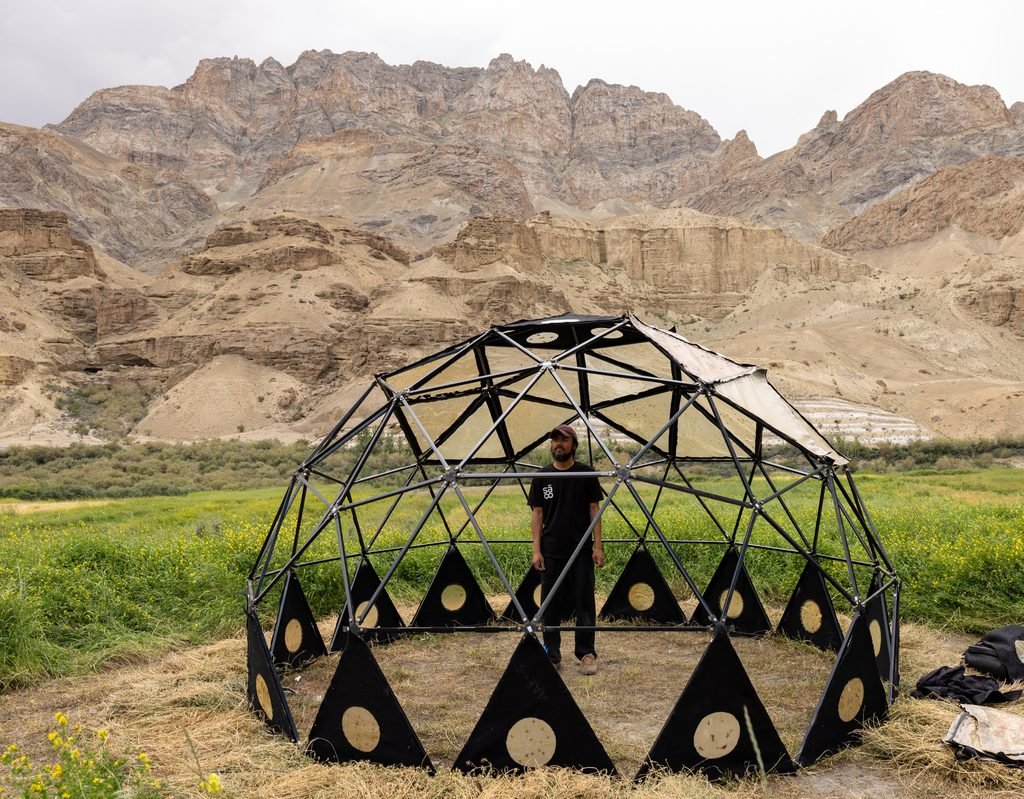

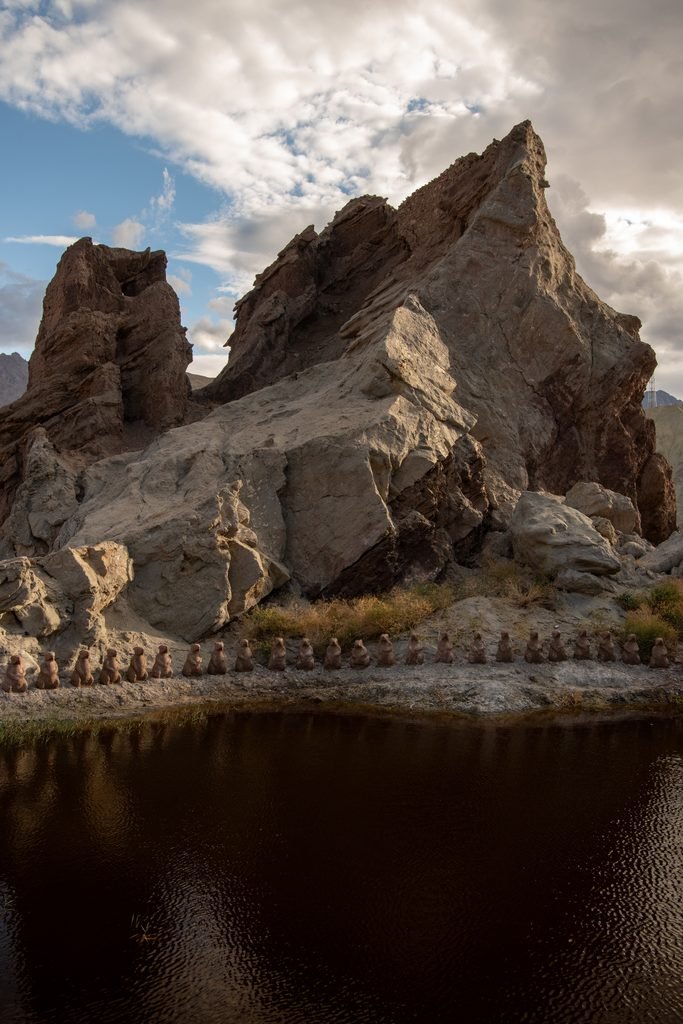
Across the eight sites along the Leh-Kargil route, participating artists have created site-specific works deeply entangled with the local environment, trade history, and community traditions. In Old Leh Town, five Ladakhi artists reactivate vernacular mud-brick architecture through community-led installations supported by the Ladakh Arts and Media Organisation (LAMO).
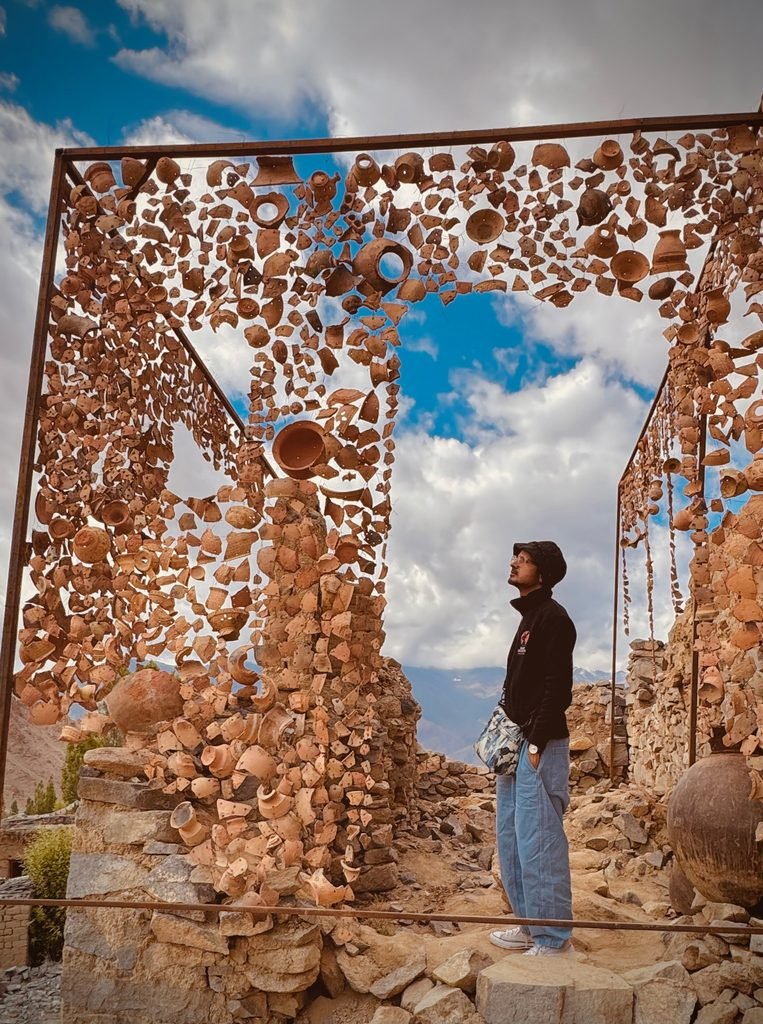
At Likir, famous for its legacy as one of the last traditional pottery hubs in the region, Australian ceramic artist Shupiwe Chongwe collaborates with local potter Rigzen. Together they craft living clay vessels embedded with mushroom substrate and seeds. Exposed to wind and rain, the vessels crumble or bloom over time, framing clay not as a static container, but as an entity held by the environment.
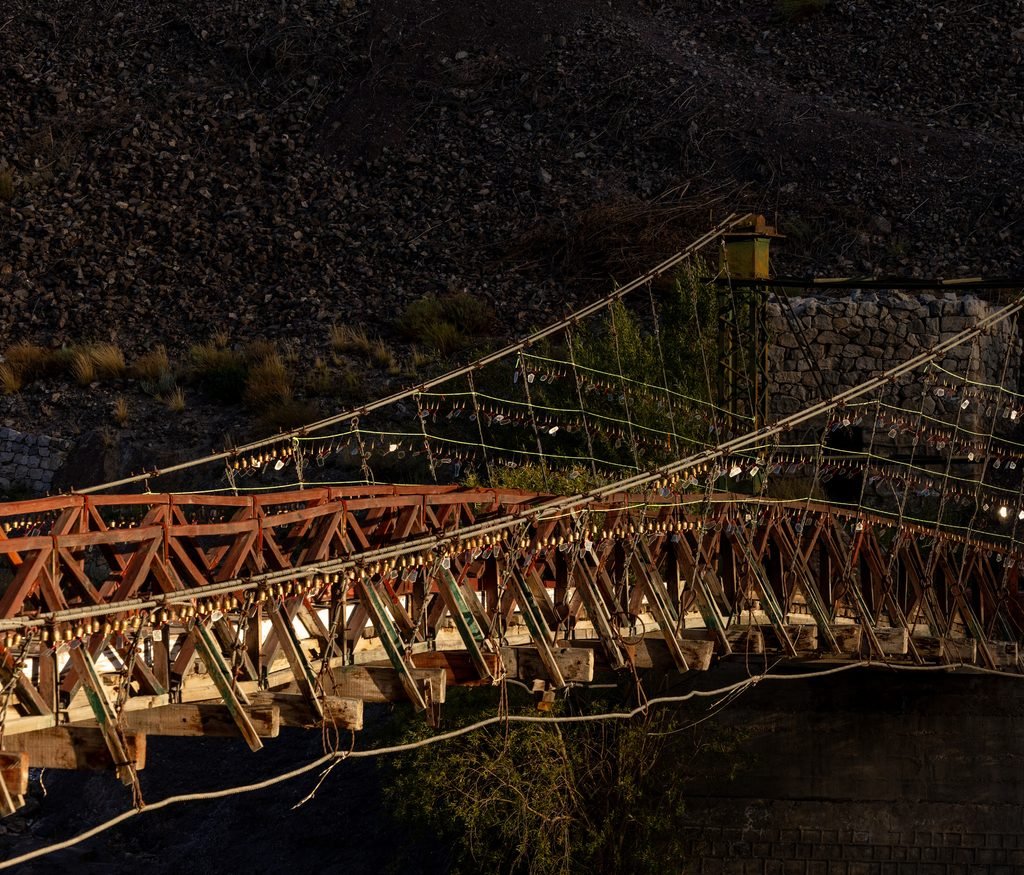
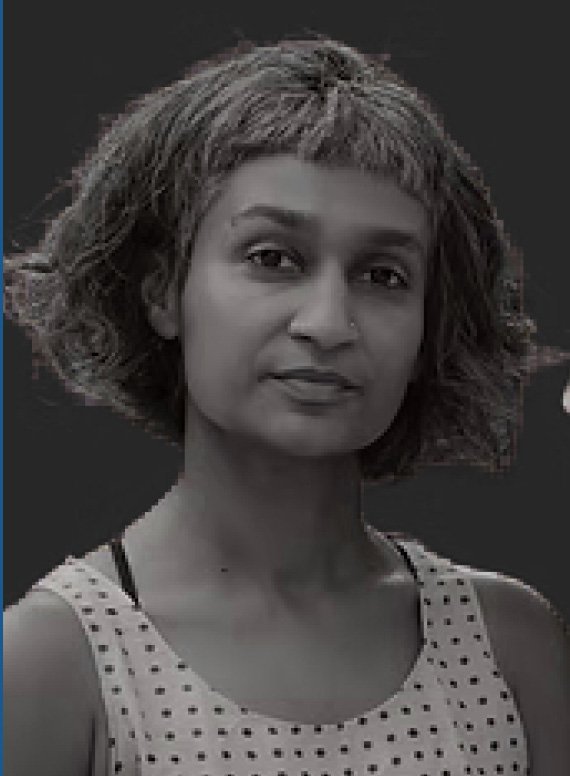
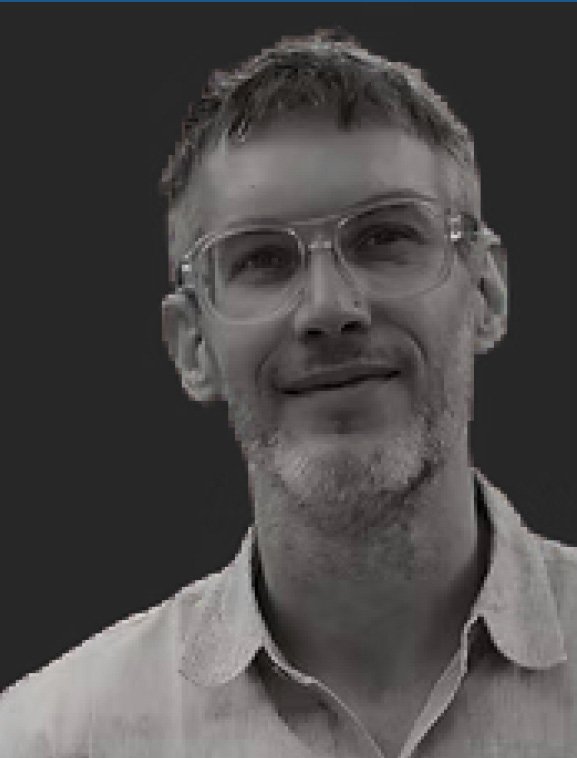
In the Nurla Valley, artistic duo Hylozoic/Desires (Himali Singh Soin and David Soin Tappeser) present 3000 Realms, installing Kutchi and Ladakhi forged bells across a narrow pedestrian suspension bridge. The installation transforms the physical motion of footfalls into site-responsive musical chimes, connecting visitors and locals through sound as they cross over fast-moving river waters.
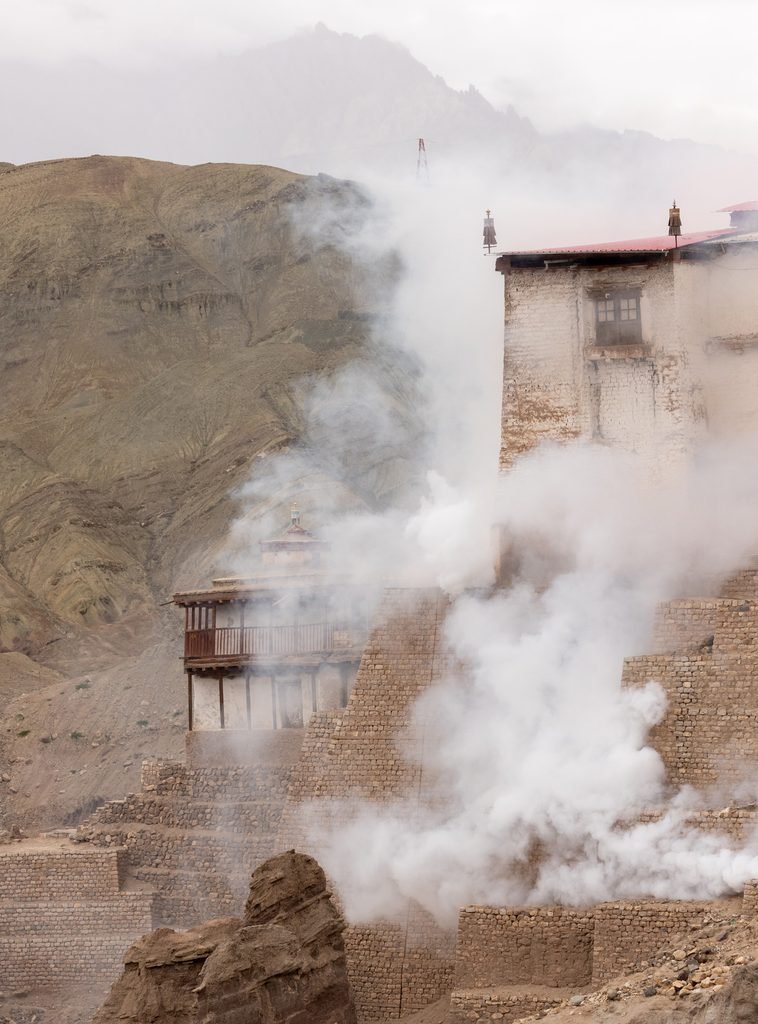
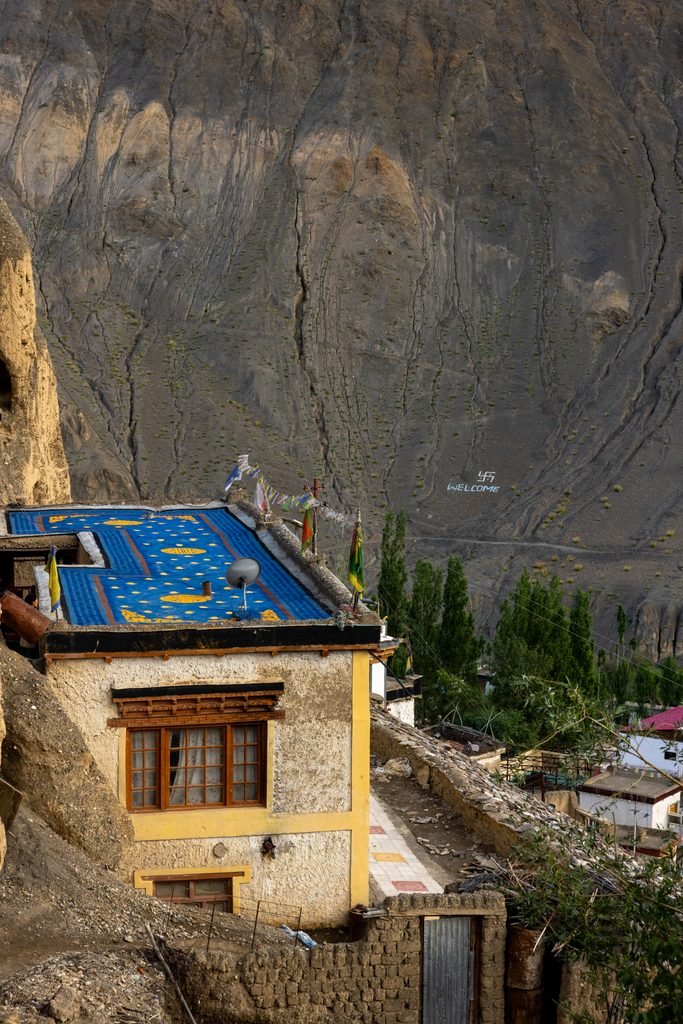
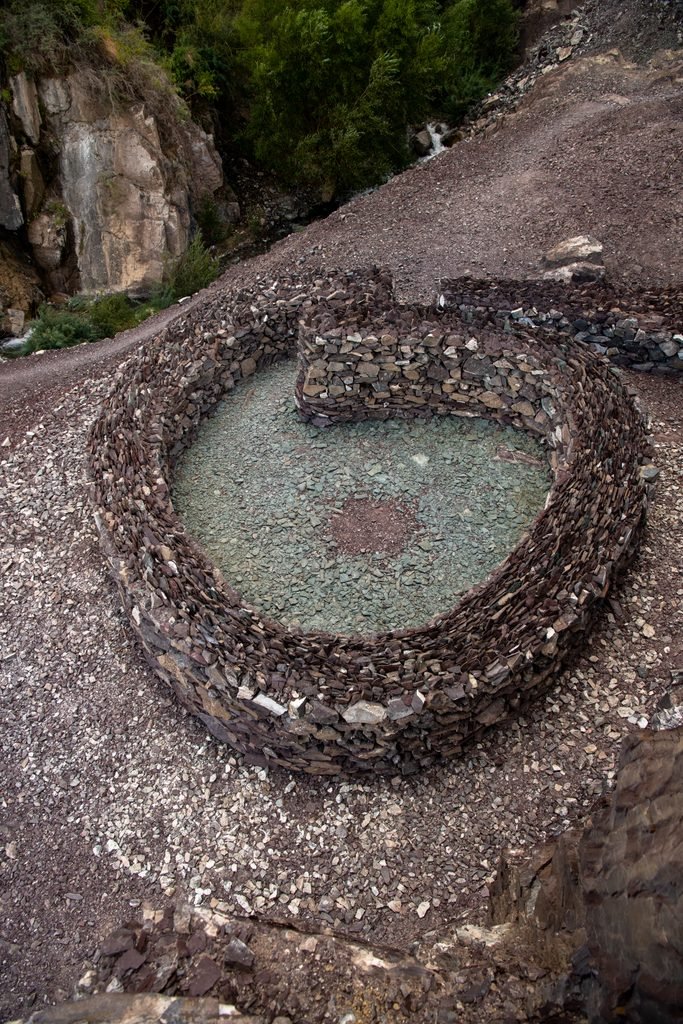
Set against the eroded palaeolake terrain of Lamayuru, known locally as “Moonland”, Nepalese artist Amrit Karki presents Rising from the Soil, Soaring to the Sky. Supported by the Rubin Museum of Himalayan Art, Karki created a 1,008-square-foot carpet design rendered across village rooftops using natural, colored soil. Visitors walking through the space physically initiate the slow dissolution of the patterns, allowing wind and rain to erase the work as a meditation on impermanence.
Further along the corridor in Mulbekh, artist Ayan Biswas documents native medicinal flora used in Sowa-Rigpa (traditional Himalayan medicine) through intricate printmaking techniques. In the border village of Hunderman near Kargil, multimedia artist Zahara Batool engages local women artisans to craft site-responsive works using colorful wool, thread, and crochet to visually repair and reconnect the stone ruins of abandoned village homes.
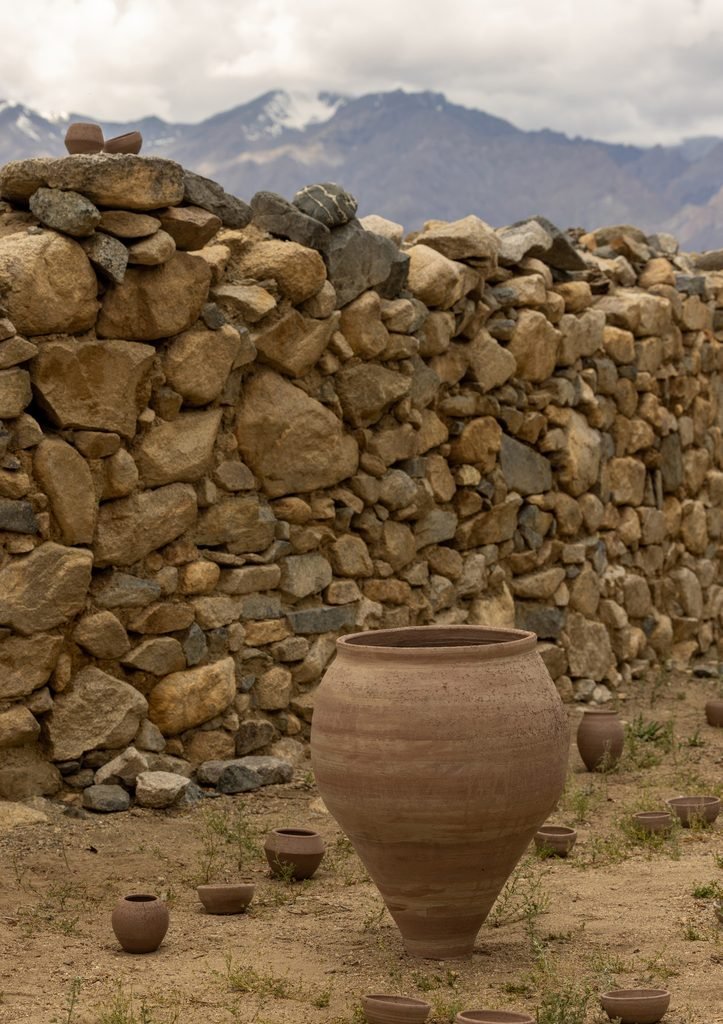
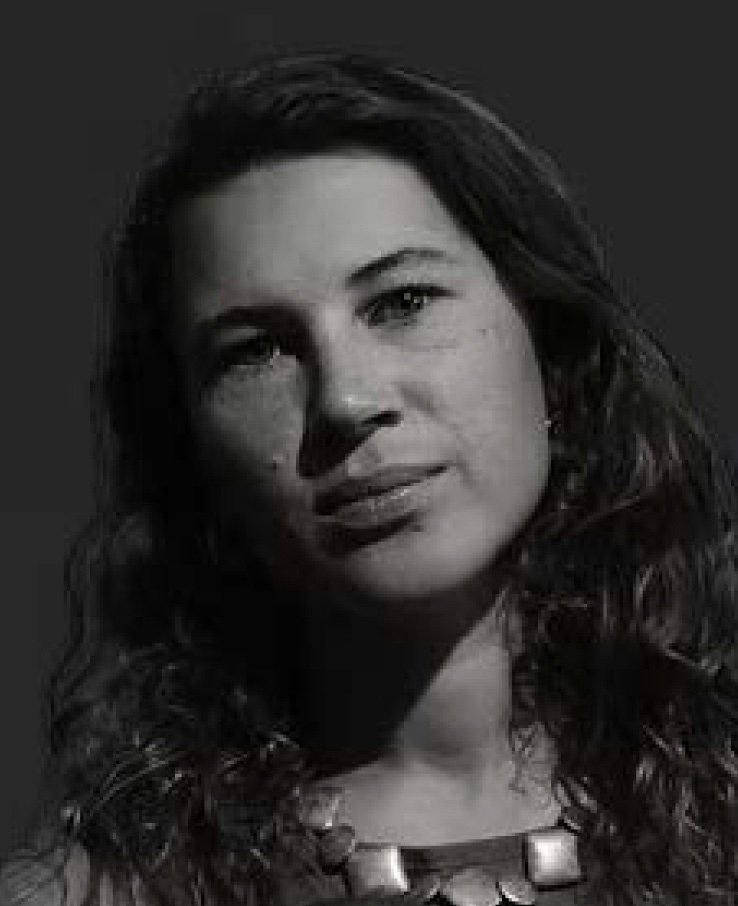
Shupiwe Chongwe, supported by Fremantle Biennale and the Western Australian Government.
She seeks inspiration and teachings from the last traditional potter, Rigzin and his father.
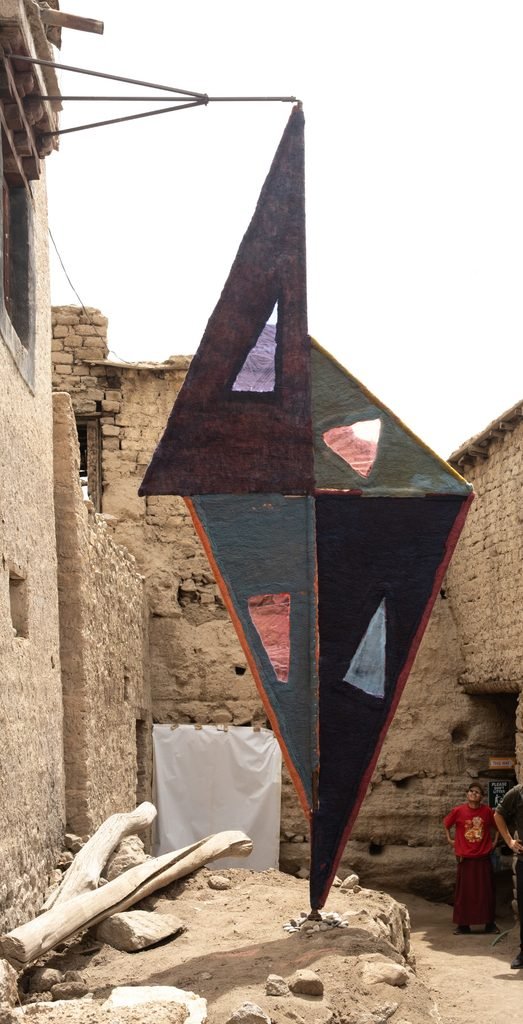

The Biennale extends its impact through three major Special Projects and institutional partnerships. The Old Town Project, developed alongside the Ladakh Arts and Media Organisation, reactivates historic urban structures below Leh Palace into active spaces for local cultural production.
Through raising flags across Ladakh, created in collaboration with Austria’s museum in progress, six artist-designed flags are raised simultaneously across Biennale locations in Ladakh and in Vienna, creating a visual bridge between distant landscapes facing shared climate shifts.
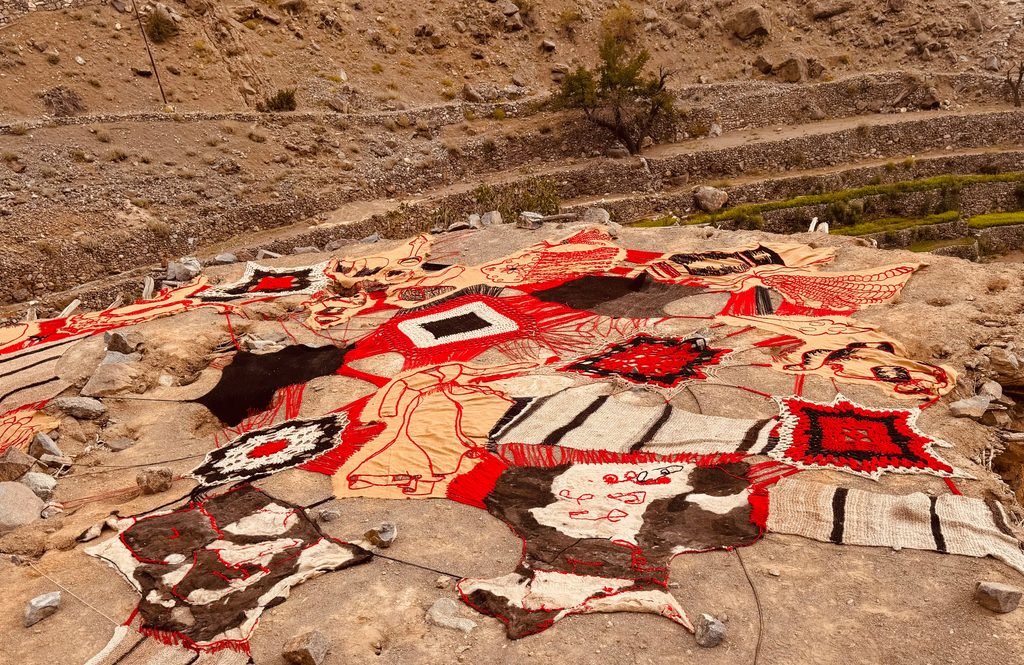
Artist Zahara Batool with more than 20 craftwomen from Kargil supported by Royal Enfield Social Mission and Trikona Foundation for 2026 Fellowship Program ‘Above 3000’
Additionally, by partnering with Australia’s Disability in the Arts, Disadvantage in the Arts (DADAA) and the People’s Action Group for Inclusion and Rights Ladakh (PAGIR), the Biennale embeds disability-led inclusion and local accessibility directly
into its organizational fabric.
A Model for Regenerative Culture
By rejecting resource-heavy builds, high-carbon logistics, and commercial art-market paradigms, the sā
Ladakh Biennale sets a benchmark for eco-conscious cultural practice. Co-founder Raki Nikahetiya
underscores that the initiative is designed as a longterm commitment to mindfulness and environmental
stewardship rather than a temporary spectacle.
As audiences navigate the high mountain passes along the Leh–Kargil corridor, the Biennale proves
that contemporary art can serve as an active, listening bridge—connecting fragile ecosystems, ancient
regional heritage, and urgent global climate dialogues.