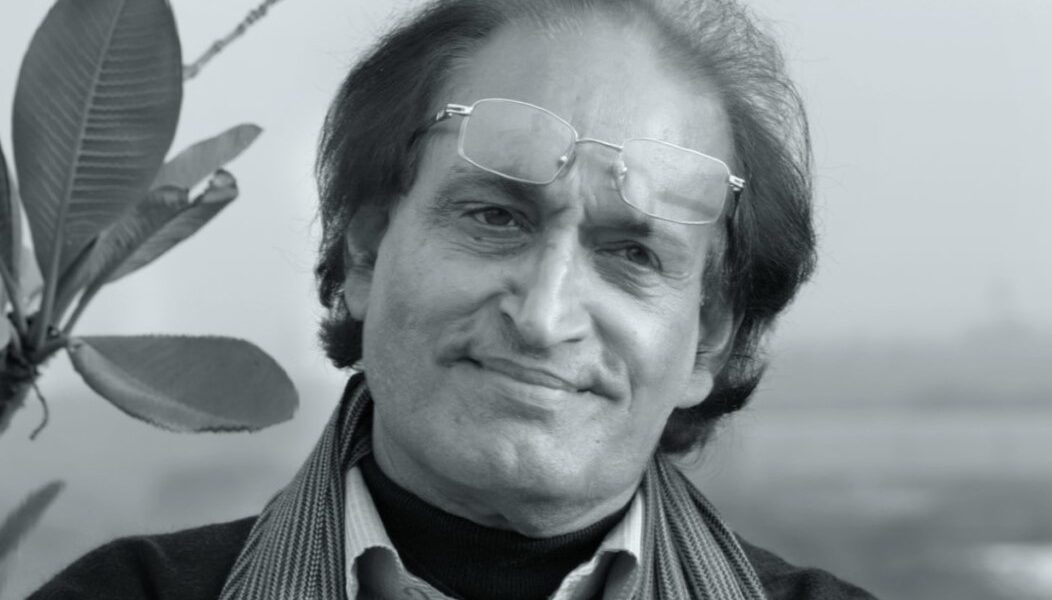
A photograph is a search for a truth that is hidden behind the obvious
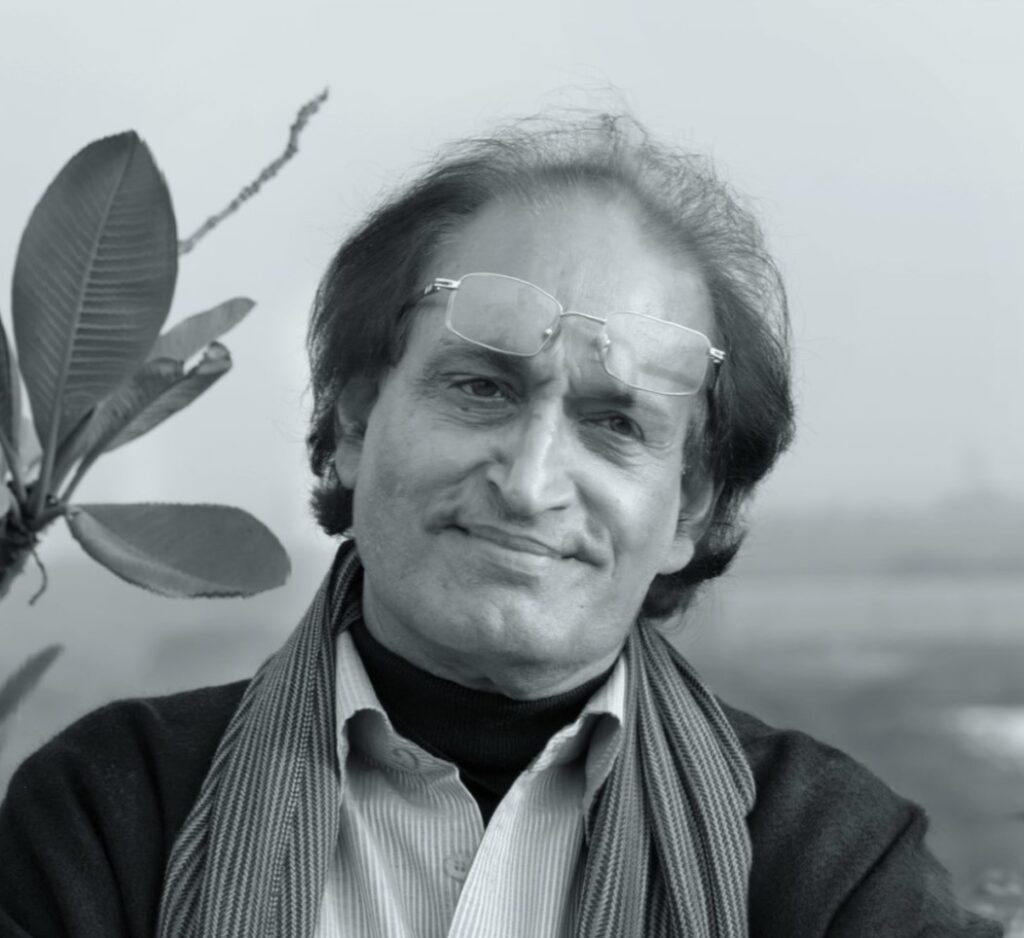
To speak of Raghu Rai is not merely to speak of a photographer, but of a visual biographer who has spent over half a century documenting the heartbeat of India. His lens does not just capture light; it captures the “darshan”-the profound, spiritual sight-of a country in constant flux. From the chaotic charm of old Delhi’s gullies to the haunting silence of the Bhopal gas tragedy, Rai’s work is a testament to the power of the frozen moment to tell an eternal story.
The Genesis of a Visionary
Born in 1942 in a small village now in Pakistan, Raghu Rai’s journey into photography was almost accidental. Encouraged by his elder brother, the renowned photographer S. Paul, Rai picked up a camera and immediately found his calling. In 1965, he joined The
Statesman, a move that placed him at the epicenter of India’s burgeoning post-colonial identity. It was during these early years that Rai developed his signature style: a blend of stark realism and deep empathy. He didn’t just want to take pictures of “events”; he wanted to capture the “human condition” within those events. Whether it was a politician in a moment of vulnerability or a street child with a piercing gaze, Rai’s images possessed a weight that demanded attention.
The Magnum Imprimatur and the Henri Cartier- Bresson Connection
In 1971, Rai’s work caught the eye of Henri Cartier- Bresson, the father of modern photojournalism and a cofounder of Magnum Photos. Cartier-Bresson saw in Rai a kindred spirit-someone who understood the “decisive moment” but applied it to the vast, complex canvas of India. By 1977, Rai became the first Indian photographer to be nominated to Magnum Photos. This association was more than a professional milestone; it was a validation of Rai’s philosophy. Like Cartier- Bresson, Rai believed that a photographer must be an invisible observer, allowing life to unfold naturally before the lens. However, Rai brought a distinctly Indian sensibility to this Western tradition. His work is often characterized by a sense of “clutter” that is uniquely subcontinental-a layering of subjects, textures, and emotions that mirrors the density of Indian life.
Chronicling the Giants: Indira Gandhi and Mother Teresa
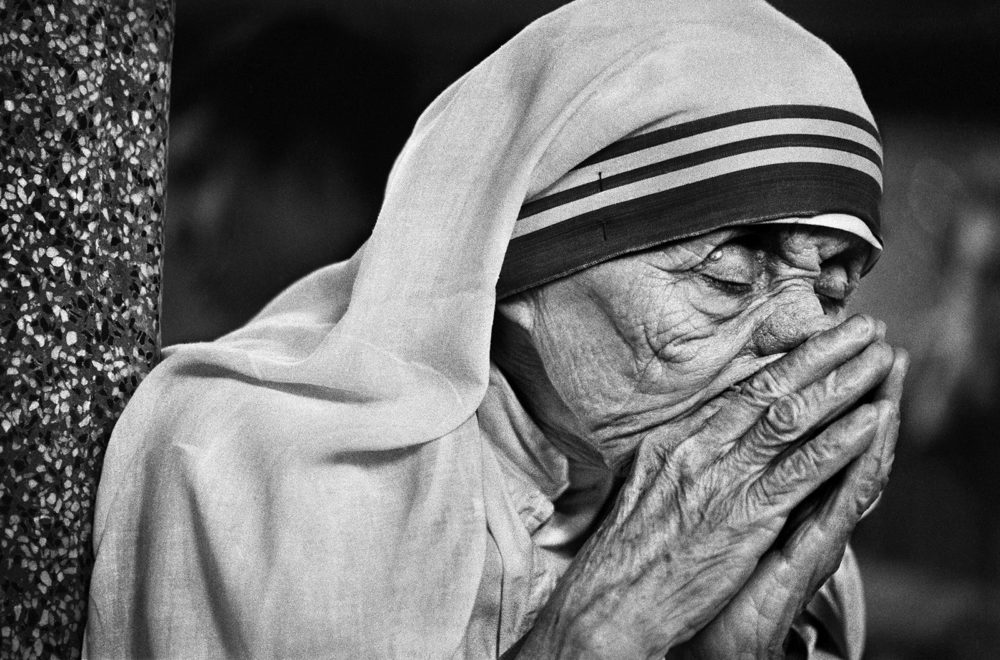
Perhaps Rai’s most enduring legacy lies in his intimate portraits of India’s most iconic figures. His long-standing documentation of Indira Gandhi remains the definitive visual record of her life. He captured her not just as the “Iron Lady” of Indian politics, but as a woman of profound solitude and complex emotions. His book, Indira Gandhi: A Personal Homage, is a masterclass in how a photographer can navigate the corridors of power while maintaining a critical and empathetic eye. Equally poignant is his work on Mother Teresa. Rai spent decades photographing the saint of the gutters, capturing the quiet strength and divine exhaustion in her eyes. His images of Mother Teresa are devoid of sentimentality; instead, they focus on the raw, tactile reality of her mission. Through his lens, we see the wrinkled hands, the worn saris, and the absolute devotion that defined her life.
The Witness: Bhopal 1984
While Rai’s portraits are legendary, his work as a witness to tragedy is what truly defines his moral compass.When the Union Carbide gas leak devastated Bhopal in 1984, Rai was among the first on the scene. The images he produced-most notably the “Burial of an Unknown Child”-became the face of the tragedy globally. That specific photograph, showing a child’s lifeless face partially covered by soil, did more to galvanize international outrage than any headline could. The Spirit of India: Landscapes and Cityscapes Beyond the famous faces and the historical tragedies, Rai’s true muse has always been the “ordinary” India. His books on Delhi, Calcutta, and the Taj Mahal are love letters to the country’s spirit.
Delhi: In Raghu Rai’s Delhi, he captures the city’s many layers-the Mughal grandeur, the colonial order, and the chaotic sprawl of the modern metropolis. He has an uncanny ability to find stillness in the middle of a traffic jam or a crowded bazaar.
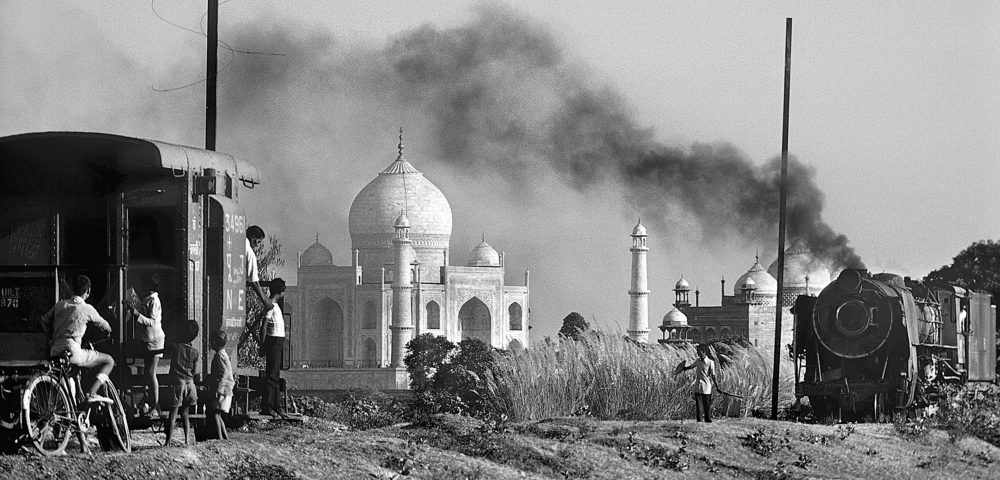
The Taj Mahal: While millions have photographed the Taj, Rai’s perspective is different. He often places the monument in the background, focusing instead on the locals who live in its shadow-the washermen by the Yamuna or the children playing in the dirt. For Rai, the monument is only as significant as the life that surrounds it.
Varanasi: His work in the holy city explores the intersection of life and death, the sacred and the profane. Through black-and-white photography, he strips away the vibrant colors of India to reveal the skeletal, spiritual truth of the Ghats.
The Shift to Color and the Digital Frontier:
For much of his career, Rai was a devotee of black-andwhite photography, believing it offered a more “honest” and “timeless” depiction of reality. However, in the later stages of his career, he embraced color and digital photography with the enthusiasm of a novice.
His color work is not merely about vibrancy; it’s about the emotional temperature of a scene. He uses color to highlight the syncretic nature of Indian culture, where every shade tells a story of a different tradition or belief. Even in the digital age, his philosophy remains
unchanged: the camera is just a tool; the eye and the heart do the work.
A Mentor and a Legacy
Raghu Rai’s influence extends far beyond his own portfolio. Through the Raghu Rai Center for Photography, he has nurtured generations of young photographers, teaching them that technical skill is secondary to “seeing.” He often tells his students that photography is not about “taking” a picture, but about “receiving” a moment. His accolades are numerous, including the Padma Shri (1971) and the inaugural Academie des Beaux-Arts Photography Award (2019). Yet, for Rai, the greatest reward has always been the act
of looking. Even in his 80s, he remains a man obsessed with the next frame, the next face, and the next story.
The Man Who Saw Everything
To look at a Raghu Rai photograph is to be reminded of what it means to be human in a place as overwhelming as India. He has given us a mirror in which we can see our history, our tragedies, and our triumphs. He has taught us that there is beauty in the mundane and divinity in the dust.
Raghu Rai did not just photograph India; he felt it. And through his work, he has allowed the rest of the world to feel it, too. As we look back on his monumental body of work, we see more than just pictures-we see the soul of a nation, preserved forever by a man who refused to blink.