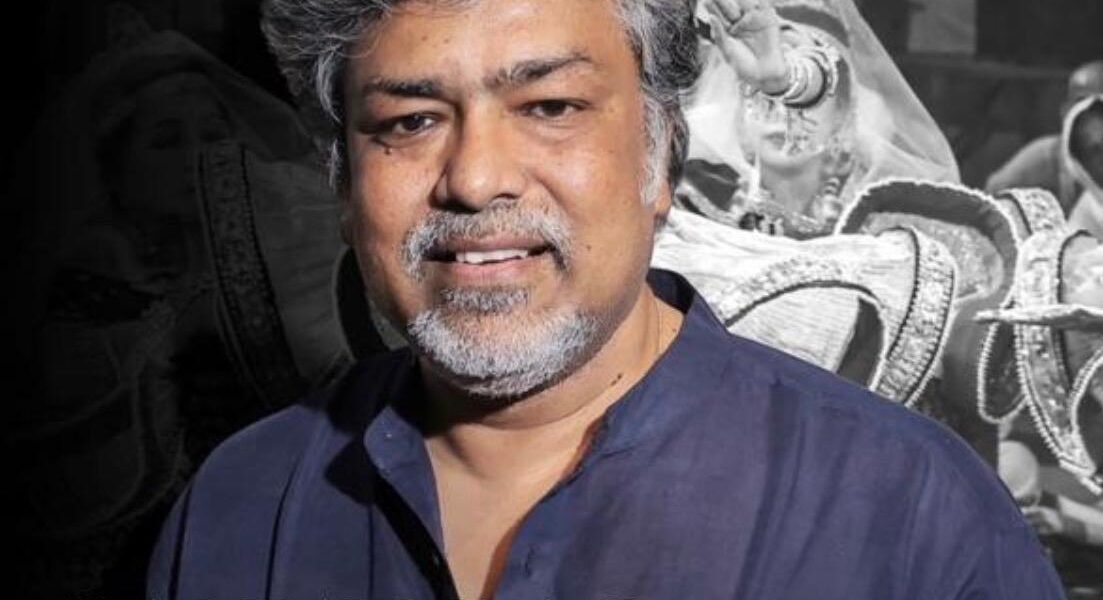
Documenting Terracotta Temples of Bengal Through the Lens: Sanjay Das
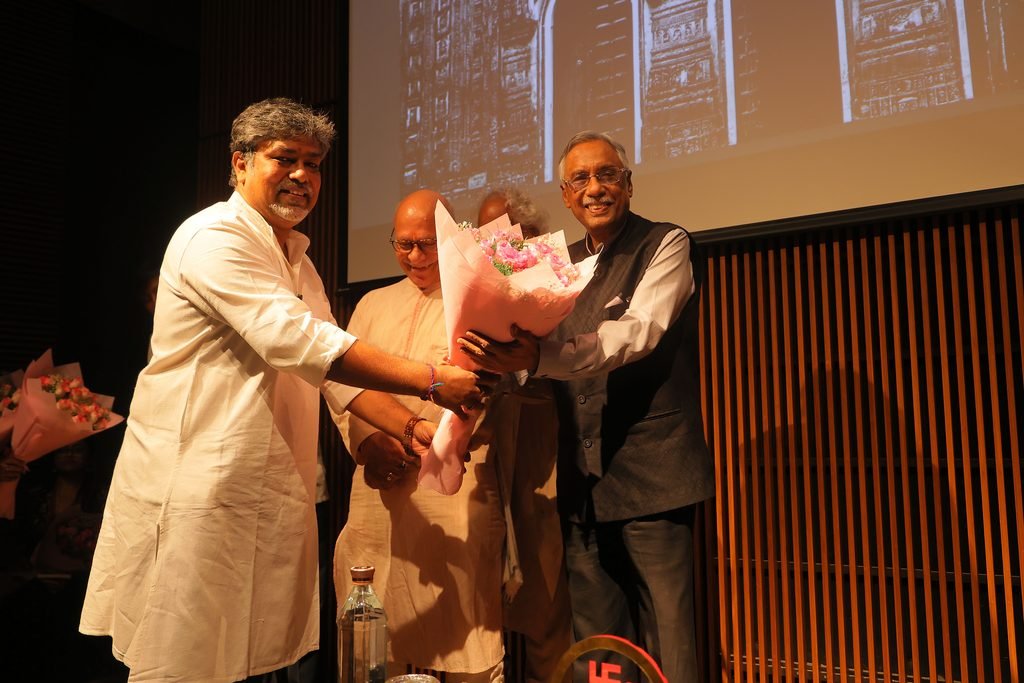
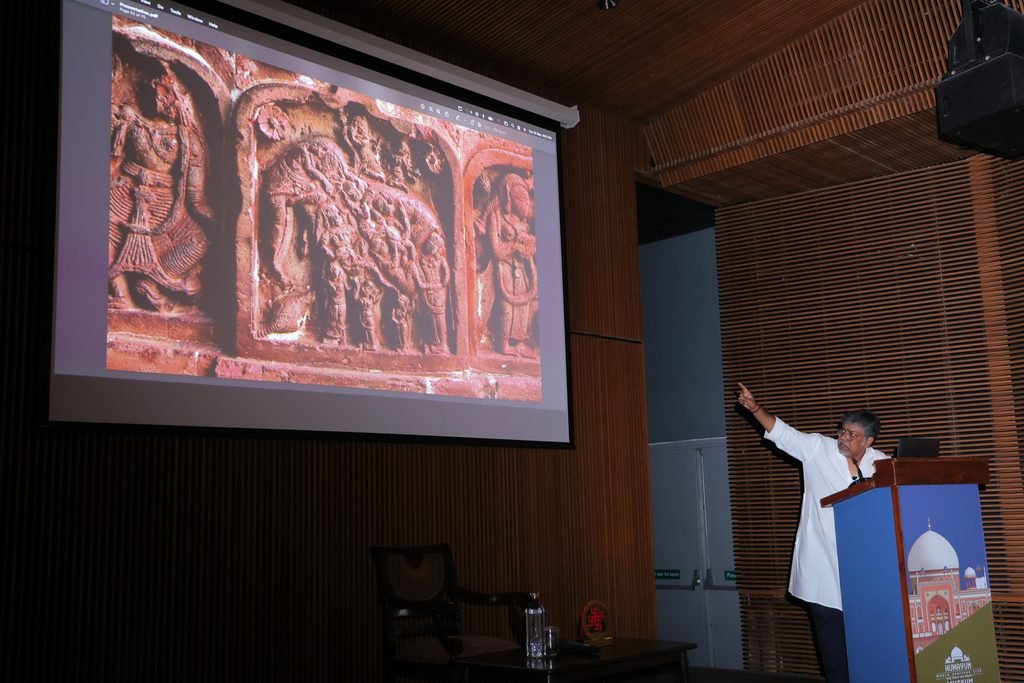
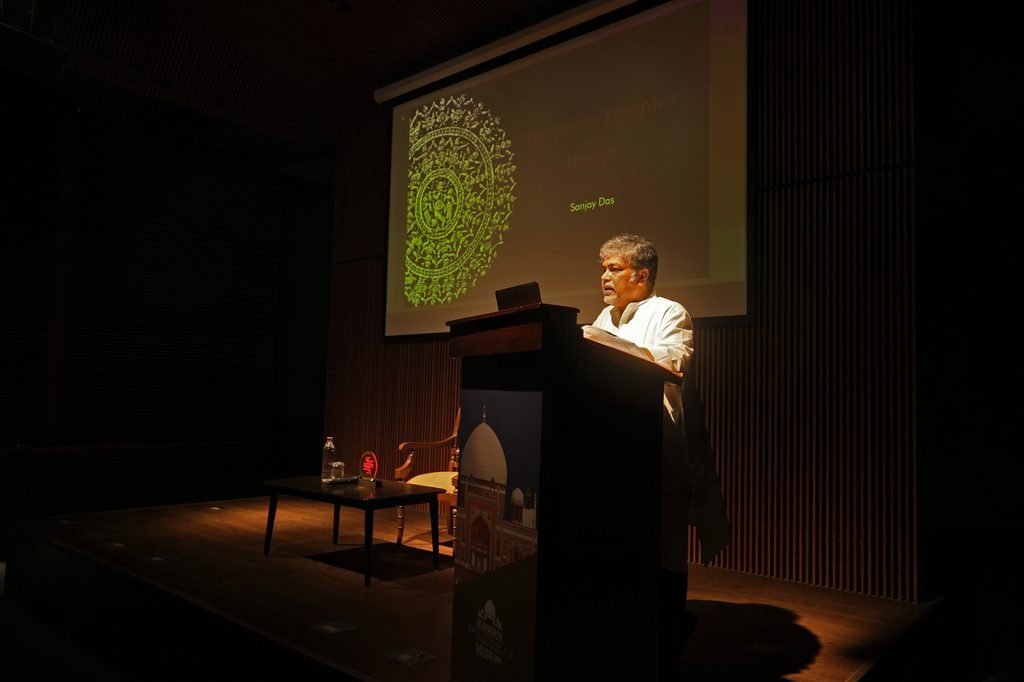
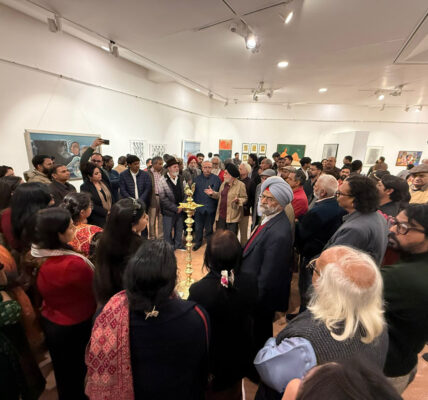
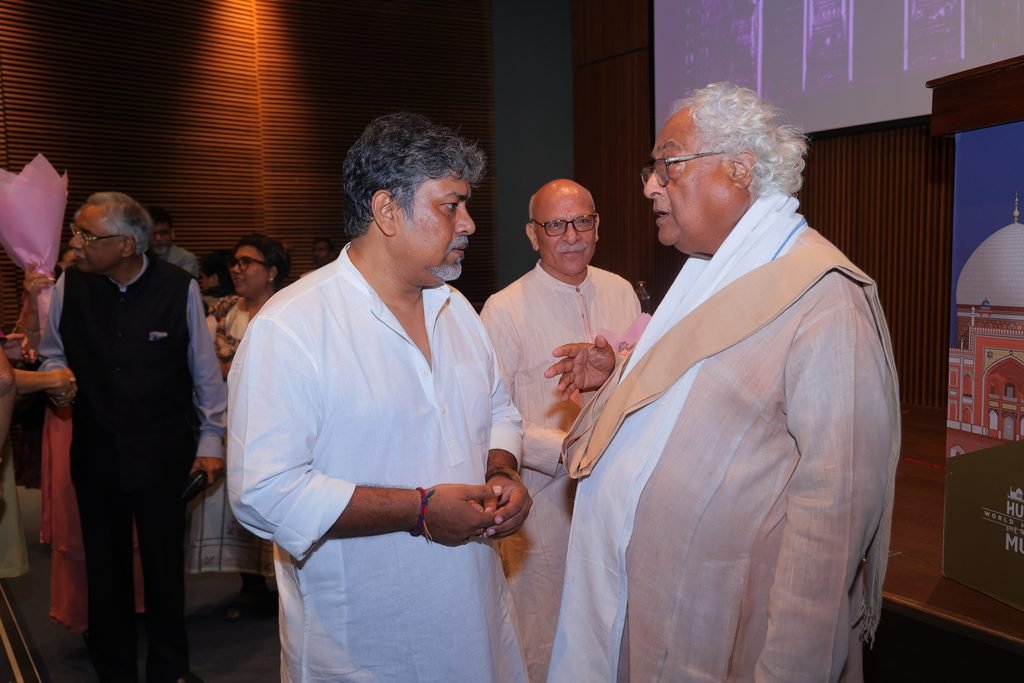
The Sanskriti Lecture Series, presented by the Indira Gandhi National Centre for the Arts (IGNCA) in collaboration with the Aga Khan Trust for Culture (AKTC), recently hosted an evening dedicated to Bengal’s extraordinary terracotta temple heritage through the photographic vision of Sanjay Das. The lecture and visual presentation offered an evocative journey through the architectural traditions, sculptural narratives and cultural histories embedded within Bengal’s terracotta temples. The lecture took place on Tuesday, 22 September 2026, at the auditorium of the Humayun’s Tomb Museum, bringing together an audience for an evening dedicated to Bengal’s rich terracotta temple heritage.
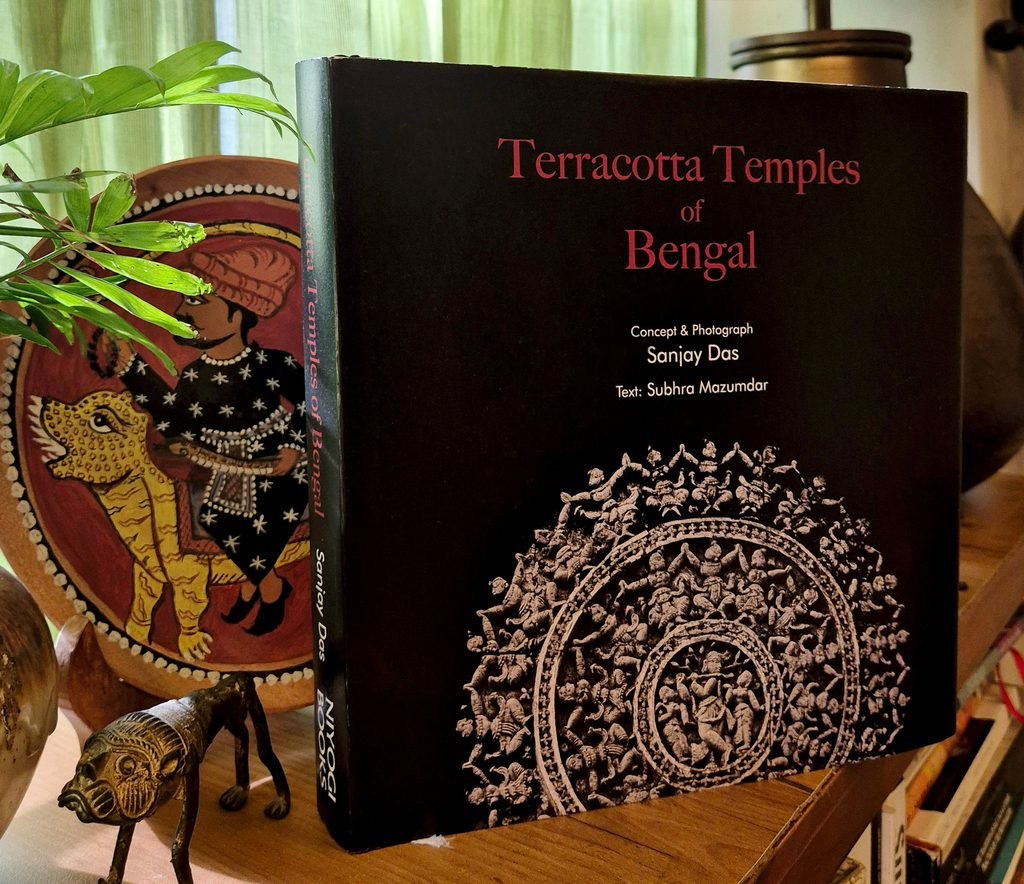
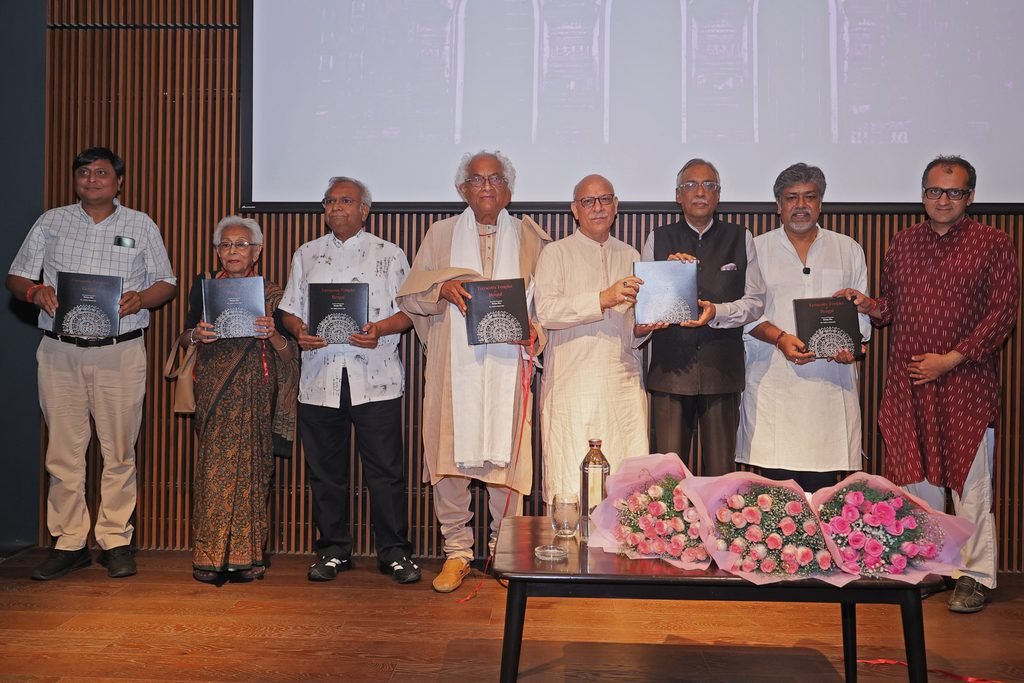
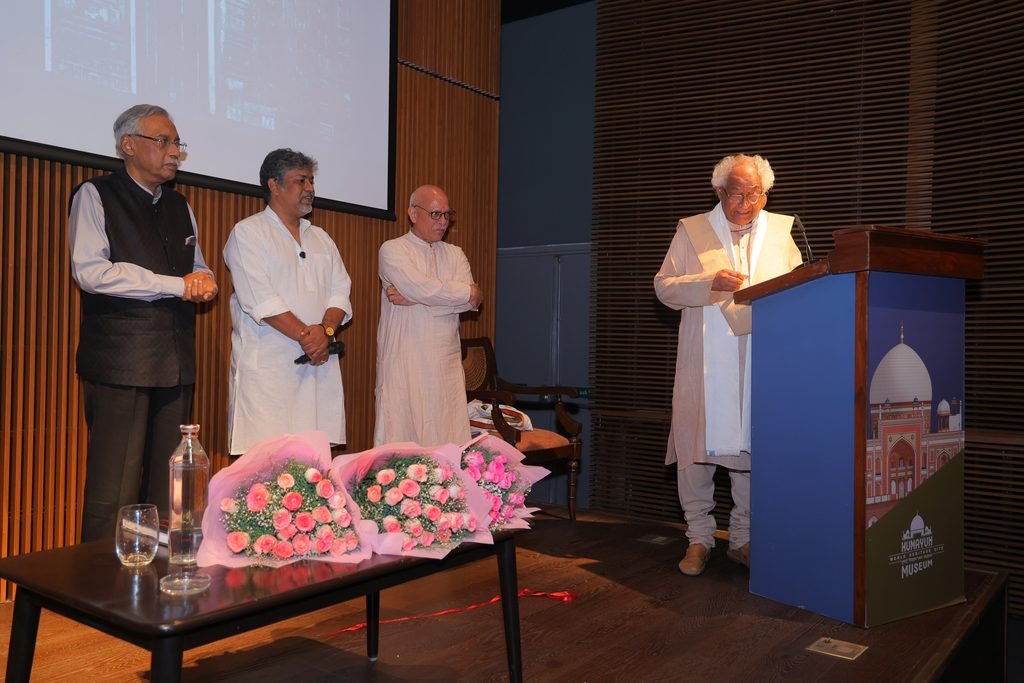
The evening also marked the unveiling of Terracotta Temples of Bengal, concept and photograph by Sanjay Das, with text by Shubhra Mazumdar and published by Niyogi Books. The book was unveiled in the presence of Shri Pavan K. Varma, diplomat and former Member of Parliament (Rajya Sabha); Dr. Achal Pandya, Head of the Conservation Division, IGNCA; Shri Ratish Nanda, Director, Aga Khan Trust for Culture; Shri Bhaskar Khulbe, former Secretary to the Prime Minister’s Office and former Principal Resident Commissioner, West Bengal; Smt. Shubhra Mazumdar, educator and former journalist with The Indian Express; Rajeev Sethi, Indian designer and Scenographer and Shri Rama Shankar Singh, Founder Chancellor, ITM University, Gwalior.
For more than three decades, Sanjay Das has developed a distinctive photographic practice rooted in India’s cultural heritage, living traditions, architecture and lesser-known regional histories. A graduate of the College of Art, New Delhi, Das began his professional career in advertising before gradually moving towards fine-art and documentary photography. His journey since then has taken him across the length and breadth of India, where he has sought out stories that often exist beyond the mainstream visual narrative.
Das approaches photography not simply as a means of recording what exists, but as a form of visual storytelling. Through a sensitive engagement with light, texture, colour, architecture and human presence, his photographs explore ideas of memory, identity, continuity and cultural change. His practice brings together the sensibilities of an artist with the attentiveness of an archivist, creating images that function simultaneously as works of art and documents of cultural memory.
Bengal has occupied a particularly significant place within this journey. Over many years, Das has travelled repeatedly through the region’s rural landscapes and interior villages, documenting its temples, folk traditions, artisans and ritual practices. His subjects have included terracotta temples, folk artists, mask makers, weavers, conch-shell craftsmen, idol makers, festivals, heritage and religious rituals. This sustained engagement has enabled him to build an extensive visual record of Bengal’s living cultural traditions—many of which are undergoing profound change.
Among the most significant outcomes of this long-term engagement is Terracotta Temples of Bengal. The book brings together Das’s extensive photographic documentation of temples across eleven districts of Bengal, drawing attention not only to their architectural forms but also to the extraordinary narrative panels that animate their walls. Mythological stories, social life, ritual practices, flora, fauna and scenes from everyday existence unfold across the terracotta surfaces, transforming the temples into repositories of Bengal’s visual and cultural history.
For Das, the project represents more than an extended photographic exercise. It is an attempt to preserve a fragile architectural and artistic legacy through the camera. Many of the temples and terracotta panels he has documented are vulnerable to weathering, neglect and irreversible deterioration. By photographing them with sustained attention, he creates a visual record that can outlive the physical vulnerabilities of the structures themselves.
In this context, Das’s practice occupies an important space between art, documentation and cultural preservation. His photographs do not merely record Bengal’s heritage; they invite us to look closely at its details, histories and stories—and to recognise the extraordinary cultural memory embedded within them.Terracotta Temples of Bengal therefore becomes both a culmination of a long photographic journey and a continuation of Das’s larger endeavour: to bring India’s lesser-seen histories and living traditions into the contemporary visual consciousness, while creating an archive for generations yet to come.