The Alchemy of Form Asish Das and the Spirit of Bronze
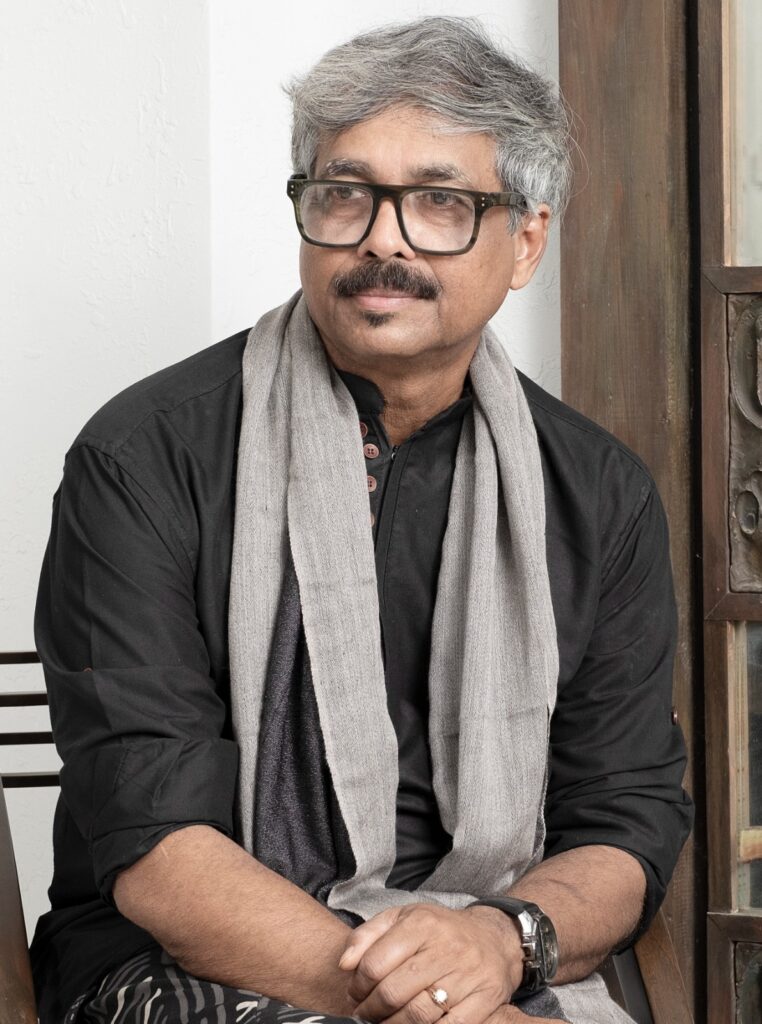
Asish Das is one of the most compelling voices in contemporary Indian sculpture. Living and working in the historic art hub of Vadodara (Baroda), his work is a testament to the power of bronze and wood to carry profound human emotion. His sculptures-often characterized by slender, elongated figures and intricate surface textures-explore themes of meditation, environmental consciousness, and the inner conflicts of the soul.
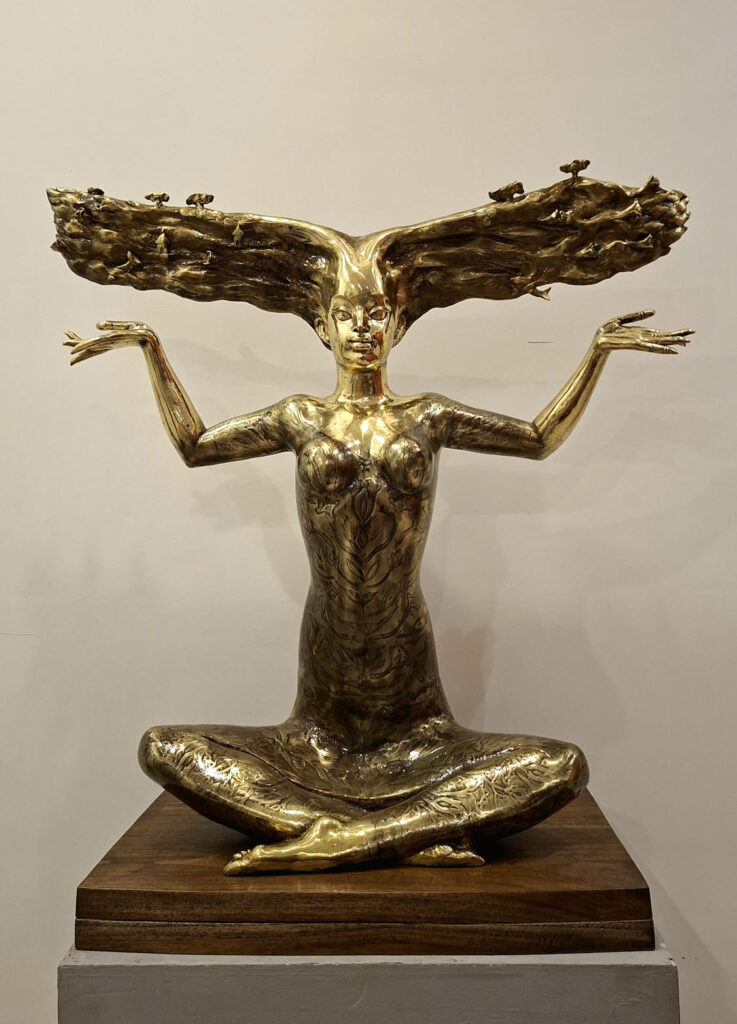
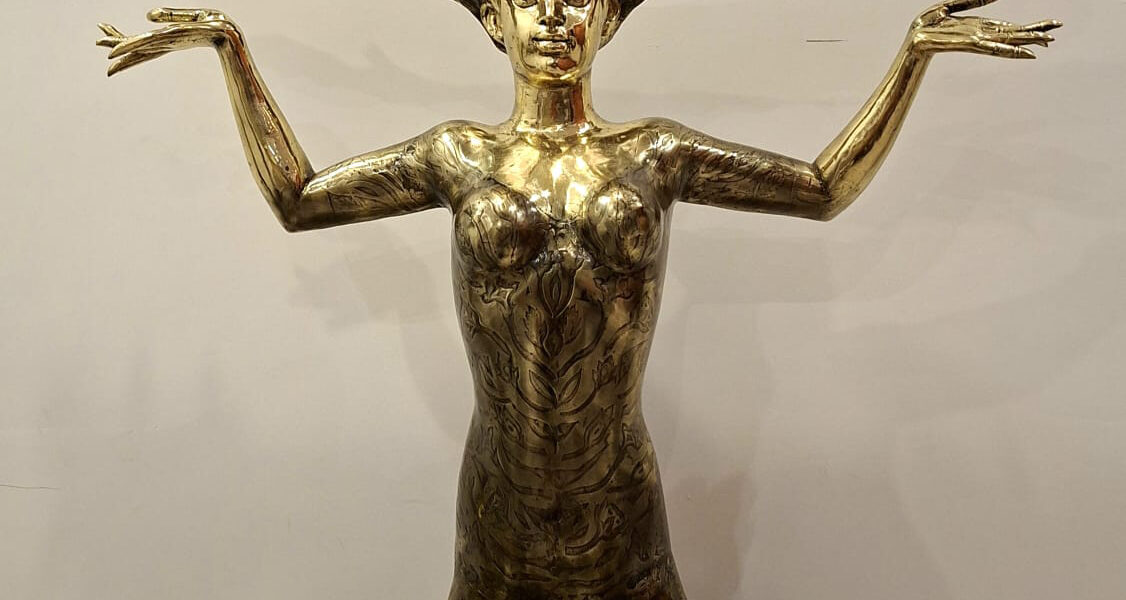
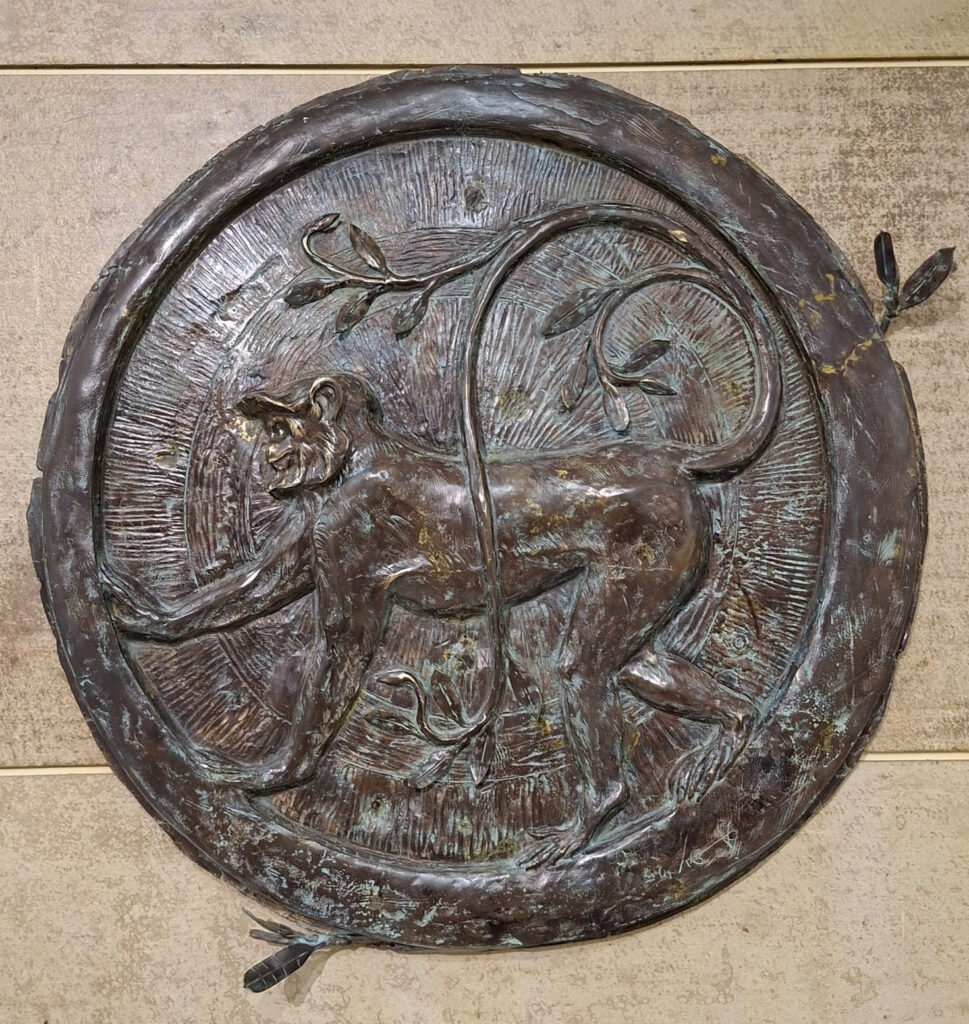
The sculpture reflects the idea that every form of beauty adorned by human beings is ultimately borrowed from nature – from the textures of leaves and flowers to the rhythms, colors, and patterns of the earth itself.
Your work is often described as “meditative.” How does your personal philosophy of inner stillness translate into the physical, often grueling work of bronze casting?
The process is a meditation in itself. I believe creation is never an isolated act; it is a flowing rhythm where the self dissolves and re-emerges through expression. When I am deeply immersed in work, a part of my self is inevitably left behind within it. This exchange continues in a rhythmic cycle. If I am not still within myself, the work will look cluttered. My philosophy is about capturing the “spirit” rather than just the “form.”
How has your upbringing in a “mofussil” town shaped the way you interact with your materials and themes today?
My childhood in a mofussil town placed me in a way of life where culture, religion, and language were inseparably interwoven with the natural world. This intimate coexistence left a lasting impression on me. The natural environment, quietly powerful and ever-present, carved a profound space within my consciousness. It is within this intersection of nature and everyday rhythms that my artistic inquiry takes form.
Many of your sculptures feature figures that seem to “grow” into trees. What is the significance of this metamorphosis?
It reflects my enduring relationship with nature. I seek to understand existence as a continuous adaptation and a cyclical resonance between man and nature. When a figure’s hair becomes a canopy, I’m talking about reforestation-not just of the land, but of the human spirit. We are grounded by our physical bodies, but our imagination has the capacity to fly. My work tries to give that imagination a tangible, bronze set of wings.
You often mention the concept of “Ananta.” How does this word define your current body of work?
“Ananta” is a Sanskrit word signifying the infinite-an eternal, unbroken cycle of continuity and becoming. In this sense, Ananta becomes more than a title; it is the essence of my journey: infinite, evolving, and eternally interconnected. It represents my attempt to capture the multifarious human conditions and the many “selves” one inhabits to remain in harmony with the natural world.
You come from a family of goldsmiths. How has that heritage shaped your technical approach to sculpture?
The goldsmith tradition taught me precision and respect for metal. In my family, metal was something sacred. You see this in the “skin” of my sculptures-I often etch intricate patterns or apply gold highlights. This isn’t just decoration; it’s a way of suggesting a divine or precious quality within the human form, no matter how weathered the external form might seem.
Your work often explores shifting identities. How do you visualize these transformations?
I observe how individuals, even in routine existence, adopt multiple identities-shifting, adapting, and responding to their surroundings. These transformations, shaped by their interaction with nature, inspire an eclectic and layered visual language in my sculptures. I use thin, elongated limbs or “levitating” poses to create a sense of weightlessness, which is a metaphor for the shifting nature of the soul.
You often explore the “inner conflicts” of humanity. How do you use three-dimensional space to depict something so internal?
Sculpture is unique because every angle reveals a different tension. I use “negative space”-the voids between limbs or gaps in the torso-to represent what is missing or being fought over internally. A figure’s posture might be calm, but the texture of the metal is rough and agitated. That contrast between the outward pose and the surface tension is how I communicate the “hidden” struggle.
You’ve talked about “giving back to society” through art. How do you see your role in today’s tech-driven world?
In a digital world, sculpture provides a much-needed “tactile reality.” It reminds us that we are physical beings. My goal is to give the viewer a moment to pause and breathe. If a sculpture about environmental conservation makes someone think about the trees around them, I have given back. Art should be a mirror for society to see its potential for beauty and change.
What advice would you give to the young sculptors emerging from Baroda today?
Don’t be afraid of the “grind.” Understand the soul of your material-whether it’s clay, wood, or metal. Stay curious. As I often say, “If you have imagination, give it wings.” Don’t let trends dictate your vision. Look inward, find your own conflict, and turn it into beauty.
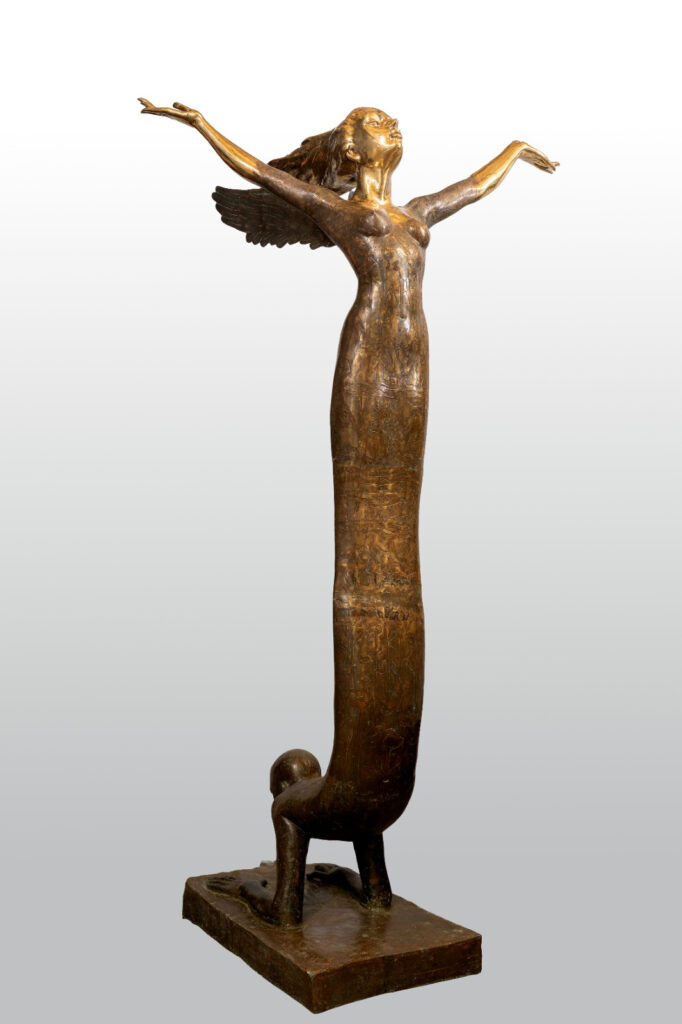
Bronze, 36″x34″x14″
The sculpture reflects the idea that every form of beauty adorned by human beings is ultimately borrowed from nature – from the textures of leaves and flowers to the rhythms, colors, and patterns of the earth itself.
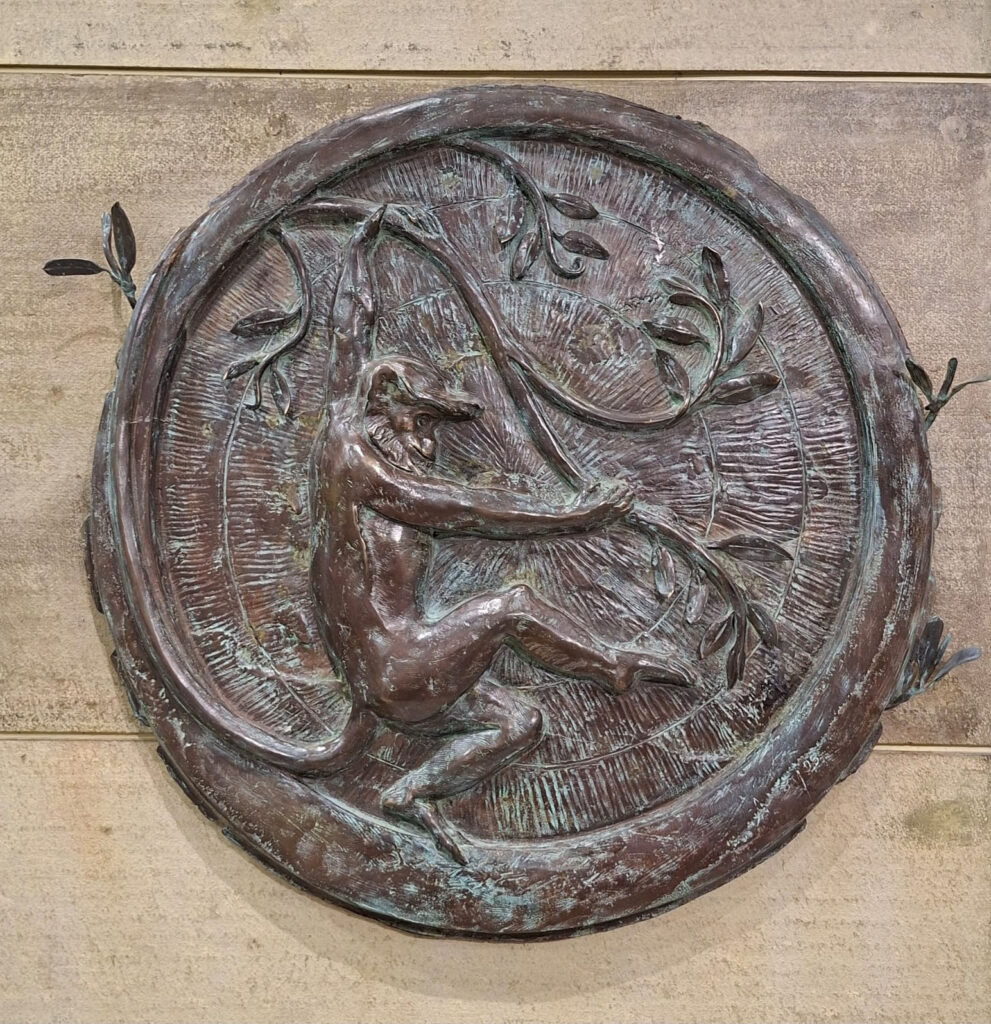
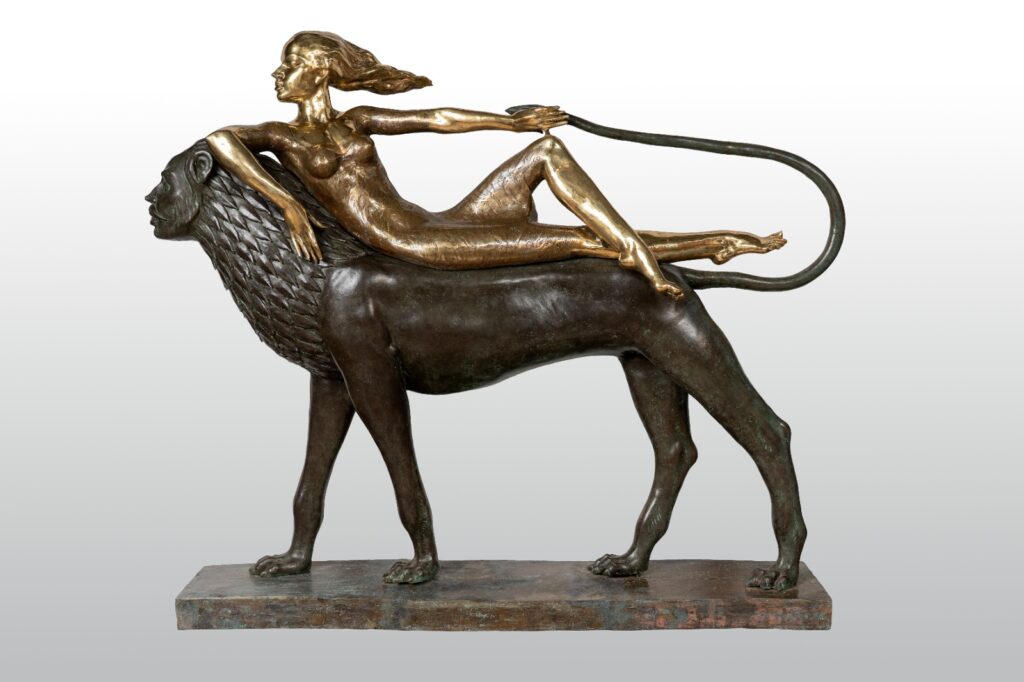
Bronze, 72”x62”x20”
Seated upon a lion bearing the face of a man, the woman embodies a quiet sovereignty
where instinct and consciousness coexist.
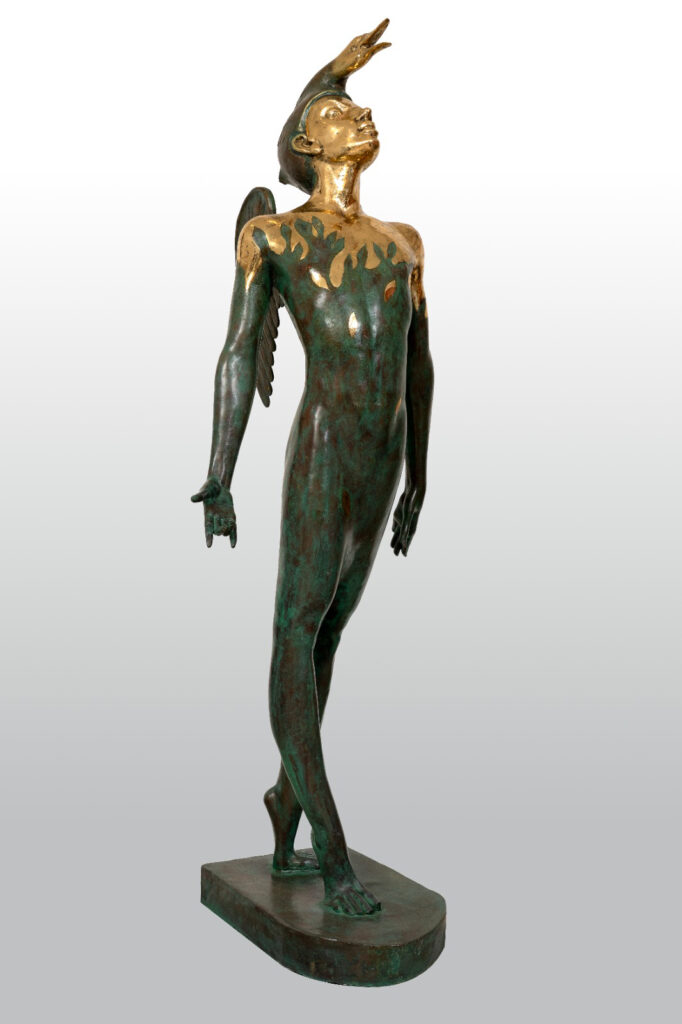
umbrella over the human figure, offering shelter, balance, and life itself
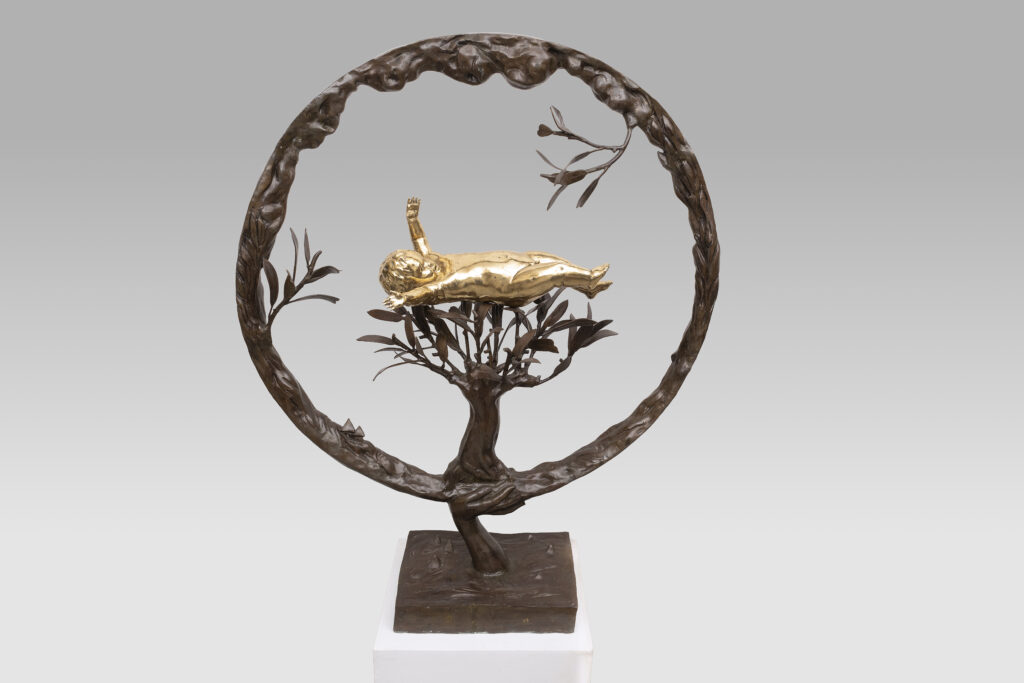
Contemporary Sculptor Asish Das recently had an in-depth conversation about his works with Shital Verma