Remembering the Hysterical Geniusof Mehmood
By Sanjay Dayal
Johar Mahmood in Hongkong was my first brush with the immense talent and comic timing of Mahmood .This is the movie i saw in summers after my matriculation examination on TV .Colour TVs were a rarity in those days with few select households proudly owning it .
The movie flowed at that time seamlessly ..The comedy felt really good .
The Story revolves around the life of Two Trickster-Conmen- Ramesh (played by I.S Johar) and Mahesh (played by Mehmood)- in style they hiest over the city. Things get complicated- when they were assigned by a KKingpin from Hong Kong- to abduct a Girl, and this leads to chaos. Needless to say I also ended up watching the other movie in this series called Johar Mahmood in Goa .
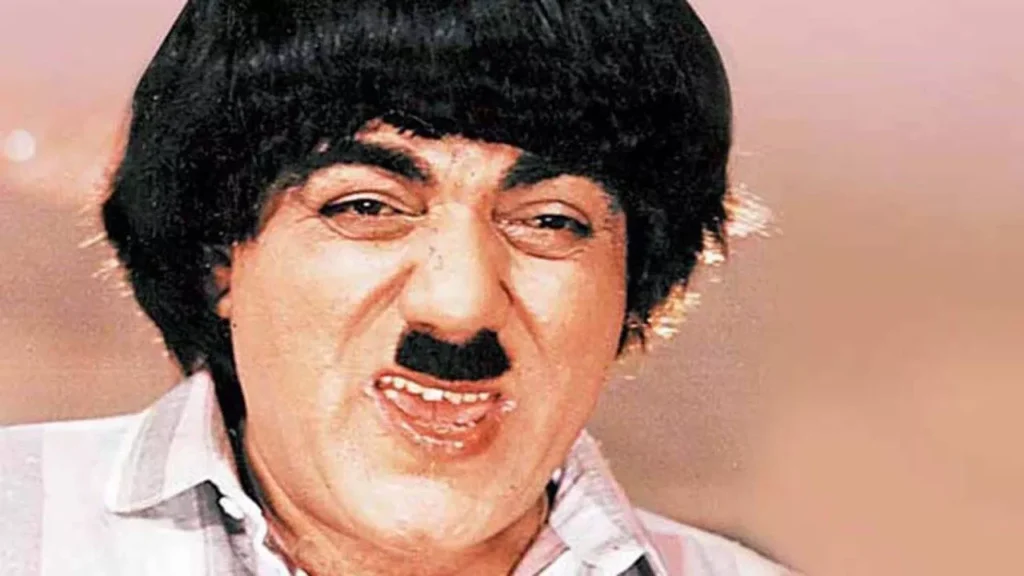
On screen, Mehmood made people laugh. But the King of Comedy often wondered why his life so unhappy .Mehmood’s forte lay in his impeccable acting style that blended humour with human sensitivity. His first breakthrough film as a comedian was Sasural , a melodramatic mega-success. The movie also created one of the most successful comedy pairings of the sixties – Mehmood and Shubha Khote. The genial Shubha went on to partner Mehmood in most of his mad comic capers till the mid-sixties – including Grihasti, Bharosa, Ziddi and Love In Tokyo.
Mehmood was a household name who dominated the comedy in over 300 Hindi films. An actor whose legacy still leaves audiences in splits. His on-screen presence was so magnetic and beloved that he became the most sought-after star of his era — so much so that by the 1950s and 60s, his presence felt essential to almost every film being made during that time .
Every Hindi movie lover has a favourite Mehmood bit. Mine’s from Pyar Kiye Jaa (1966). When you can outshine Kishore Kumar in a comedy, you know you’re special. That was Mehmood — brilliant with physical humor, and a bona fide star. Pyar Kiye Jaa was a remake of a Tamil film, with Mehmood taking over the role Nagesh had made iconic. Tall order. But if there was one actor made for it, it was him.
Mehmood Ali was born in 1932 and came to be known as India’s national comedian, with a career spanning four decades of Indian cinema. Inspired by his father, Mehmood began acting as a child, appearing in films like Kismet (1943) and Parvarish (1958). His first small break came with C.I.D. in 1956, while his breakthrough arrived with Sasural in 1961.
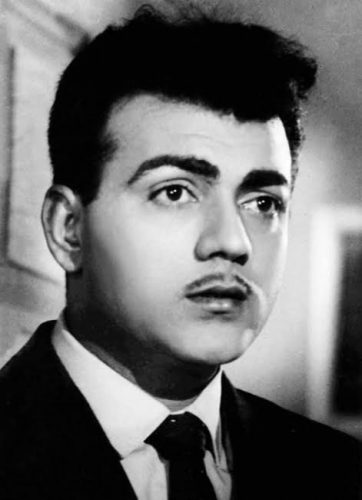
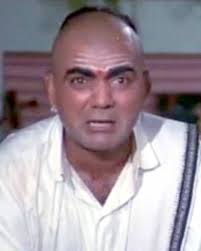
He started with bit roles but soon moved to larger parts. His acting — laced with an authentic style of mimicry, distinctive attire, impeccable timing, and unique dialogue delivery — became the highlight of every film. He was often the star attraction studios bankrolled movies around.
Through a string of popular films, he played an astonishing range of roles: from a Kashmiri houseboat owner and a Tamilian schoolmaster to triple roles spanning generations of a family. Films like Bhoot Bungla (1965), Arzoo (1965), Padosan (1968), Humjoli (1970), Bombay to Goa (1972), and Do Phool (1973) showcased his versatility. He gave legendary performances, most famously “Ek Chatur Naar Karke Sringaar” in Padosan, crafting a comic style entirely his own.
As a director, Mehmood introduced Indian cinema to horror-comedy with Bhoot Bungla. He also directed Kunwara Baap (1974), which tackled polio awareness and spotlighted grassroots issues — rare for mainstream comedy then. Mehmood won several Filmfare Awards for Best Comedian and Best Supporting Actor. His first Filmfare for a comic role came for Atma in 1966. At his peak, his popularity was unmatched.
But his talent went beyond acting. Mehmood had a sharp eye for emerging artists and launched many careers. He played a key role in introducing Amitabh Bachchan to commercial cinema and gave breaks to music directors like Rajesh Roshan and R.D. Burman — then known as “Chhote Nawab” — through the films he produced.
Mehmood’s legacy in Indian cinema and comedy is profound. He influenced generations of actors to experiment, take risks, and expand their craft. A hysterical genius with impeccable timing, he brought audiences pure joy by subverting norms and making authenticity his trademark.
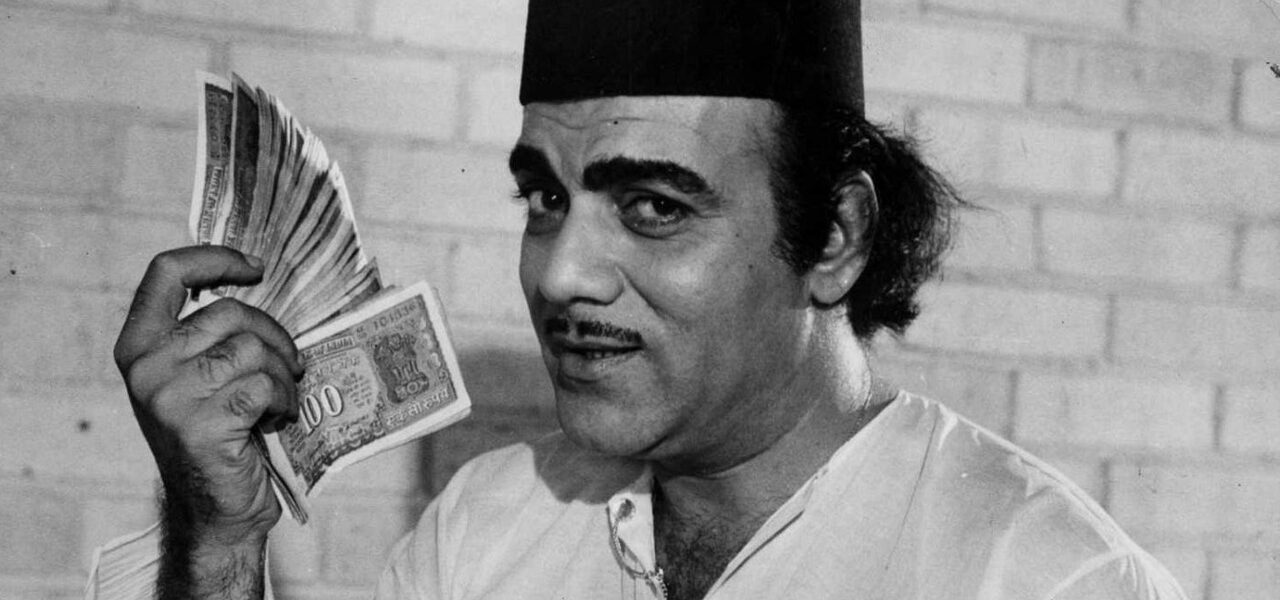
Amitabh Bachchan fondly refers to Mehmood as his “godfather”. Before his stardom, Mehmood offered him a crucial break in Bombay to Goa. Interestingly, Mehmood revealed that Amitabh used to call him “Danger Diabolic,” a nickname whose origin Mehmood never understood, but found endearing.Despite being from a different faith, Mehmood was a staunch believer in humanity and a secret devotee of Lord Shiva. He was known to respect all faiths and made significant donations to various places of worship. Naeem Sayyed, a popular child artist and later actor, was bestowed the name “Junior Mehmood” by Mehmood himself. After Naeem paid him ₹5.25 as as dakshina to become his disciple, Mehmood accepted him, saying “Today I give you my name. Mehmood was known for his extreme generosity. He often kept new 100-rupee notes in his pocket to hand out to those in need, following a ritual in memory of his mother. While he made millions laugh, Mehmood’s personal life was fraught with challenges, including family responsibilities, health issues, and a declining career later on. He often said his life was a testament to Chaplin’s quote: “Life is a tragedy when seen in close-up, but a comedy in long-shot”.
In the 80s and 90s, he was eventually eclipsed by the new breed of comedians and retired from films.
As a director, Mehmood’s last film was Dushman Duniya Ka in 1996. The film, which introduced his son Manzoor Ali, had special appearances from Shah Rukh Khan and Salman Khan. His second son of eight children, Maqsood Ali (popularly known as Lucky Ali) is also a well-known Hindi pop singer today.
Mehmood passed away in his sleep at the age of 72 on July 23, 2004, in Pennsylvania in USA, where he had gone for treatment of his lung disease. The man who taught a nation to laugh will forever be remembered as he appeared in his heydays – as the king of Indian comedy.