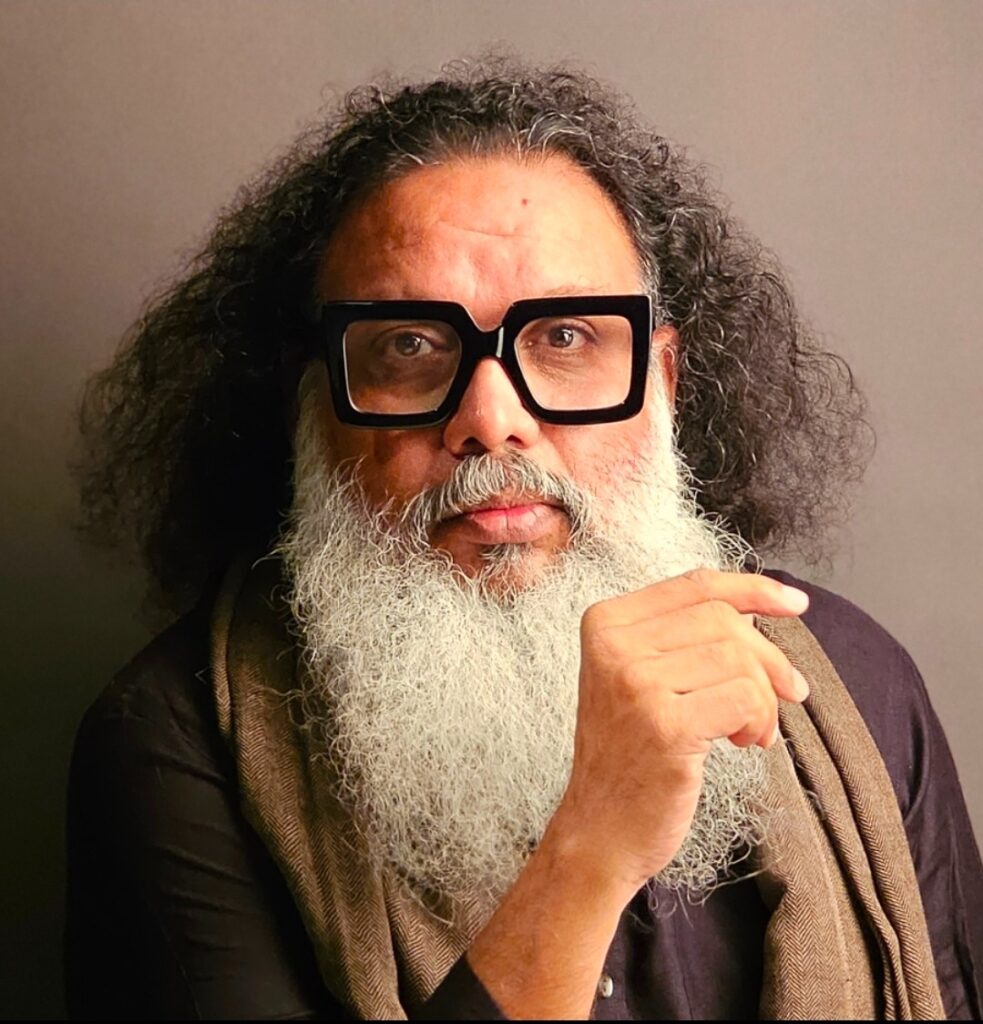
The Canvas of a Young Heart: The Journey of Ashwani Kumar Prithviwasi
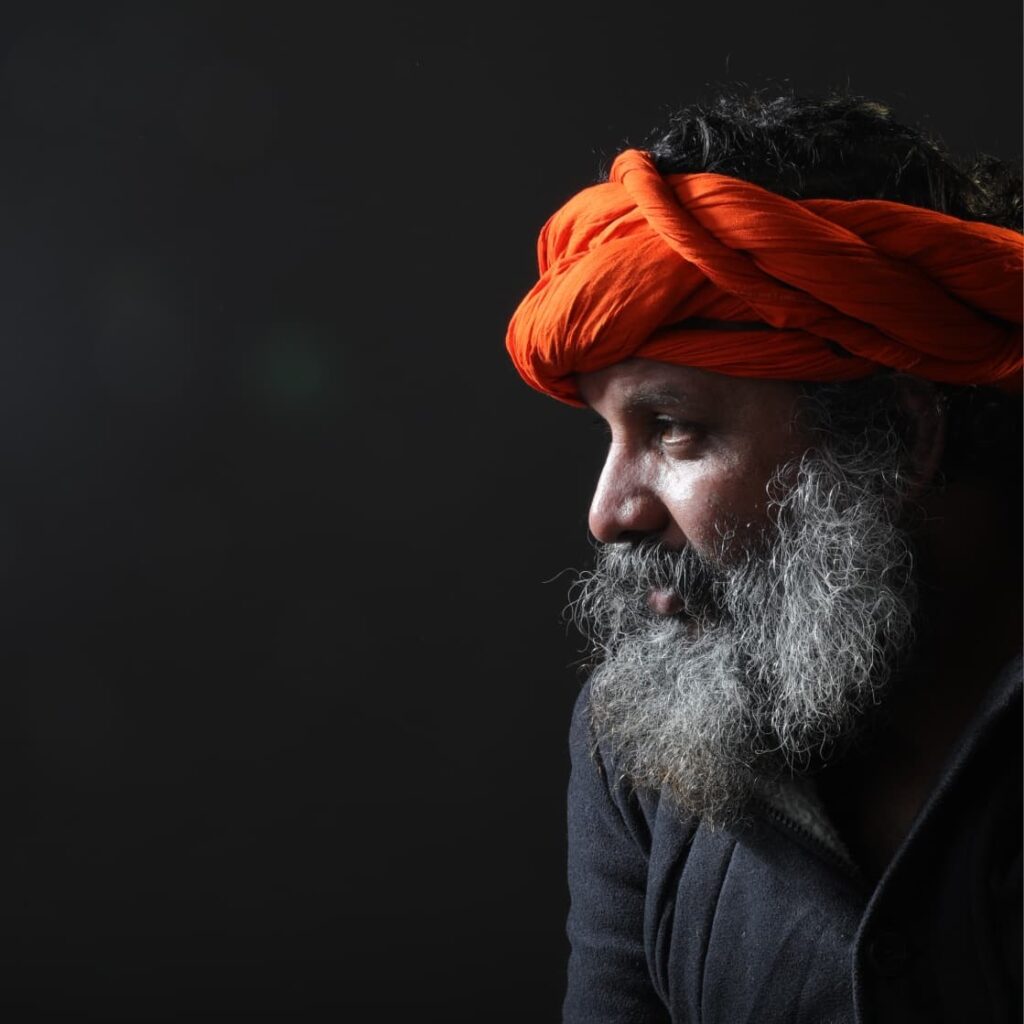
The boy who once sat outside his modest home selling kites had finally learned to fly, taking the aspirations of an entire generation of artists with him. His journey stands as a testament to the fact that when a child chooses dignity over dependency, they don’t just build a career; they carve a legacy through pain, resilience, and an unshakable belief in the power of creativity.
In the crowded, humming lanes of Uttam Nagar, the air is often thick with the scent of street food and the frantic energy of survival. For many who walk these narrow corridors, dreams are a luxury-something to be shrunk until they fit into the tight pockets of reality. But in 1972, a boy named Ashwani was born into this world with a vast imagination that the geography of his neighborhood could not contain. Though his hands were small, they were restless, already reaching for the colors and shapes that would one day define a movement in Indian art and education.
Ashwani was the youngest son in a household where education and dignity were the two pillars of life. His father, a gazetted officer, was a man who carried the heavy weight of societal respect on his shoulders. In the eyes of the neighborhood, they were a family of stature, but behind the closed doors of their modest home, the reality of raising a large family on a fixed income meant that every rupee was accounted for and every desire was weighed against necessity.
The Entrepreneur of Kites and Comics
While other children in Uttam Nagar spent their afternoons chasing each other through the alleys or playing games of cricket, Ashwani’s mind worked differently. He was possessed by an unusual blend of curiosity and entrepreneurial spirit. He didn’t just want to play with kites; he wanted to understand the value of creating them.
By the time he was a young schoolboy, Ashwani had established a small “business” outside his home. He sat on the dusty pavement, a colorful array of kites and a stack of well-loved comic books spread out before him. He sold the kites to local children and rented out his comics for a few paise, turning his own meager possessions into a revolving door of small-scale commerce. To the casual observer, he was just a child playing store, but to Ashwani, these were his first lessons in independence. He understood early on that effort led to value, and value led to freedom.
The Five-Rupee Wound
Every life has a pivot point-a moment where the trajectory of a soul is altered forever by a few words. For Ashwani, that moment arrived on a day that seemed like any other. He had approached his father to ask for a small bit of pocket money, just ? 5, likely intended for a new kite string or a book.
His father, however, was in the middle of wrestling with the mounting responsibilities of the household. Burdened by the invisible pressures of his office and the visible needs of his children, he looked at his youngest son and remarked, almost in passing: “You are very expensive to raise.”.
The words were not intended to be cruel, but to a sensitive boy like Ashwani, they pierced more deeply than any physical blow. In that instant, his perception of himself shifted. He no longer saw himself as a cherished son; he saw himself as a “burden”-a cost on a ledger that his father was struggling to balance.
A profound internal resolution took hold. He decided right then that he would never be a burden again. While most children his age were content to depend entirely on their parents, Ashwani decided he would contribute.
The Sound of Dignity
Determined to stand on his own feet, Ashwani looked beyond the selling of kites. He found work as a helper boy for a local music group that performed at community events and festivals. It was grueling work for a child-lugging heavy instruments, setting up equipment, and running errands in the heat.
At the end of his first stint, he was handed his first real paycheck: ?10. It was double the amount he had once asked his father for, but its true value was immeasurable. That ten-rupee note was the physical manifestation of his dignity. It was proof that he could generate his own worth and that his “cost” to the world could be offset by his own sweat and labor.
Painting Hope
Those early years of grit-selling comics in the dust of Uttam Nagar and hauling speakers for music groups-were the foundational sketches of the man Ashwani would become. He didn’t know it yet, but the resilience he was building would be the very thing that allowed him to build a world of art for others.
The pain of being called “expensive” became the fuel for a lifelong mission to make creativity accessible and to prove that art was not a luxury for the few, but a necessity for the many. Today, the name Ashwani Kumar Prithviwasi is one that resonates throughout the Indian art fraternity, synonymous with a belief that the strokes of a paintbrush can paint hope across the lives of thousands who, like him, once sat in the crowded lanes of survival.
The boy who once sat outside his modest home selling kites had finally learned to fly, taking the aspirations of an entire generation of artists with him. His journey stands as a testament to the fact that when a child chooses dignity over dependency, they don’t just build a career; they carve a legacy through pain, resilience, and an unshakable belief in the power of creativity.