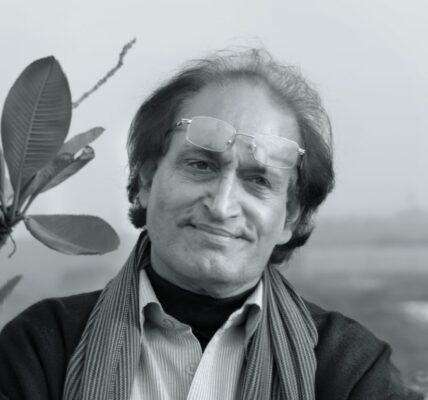
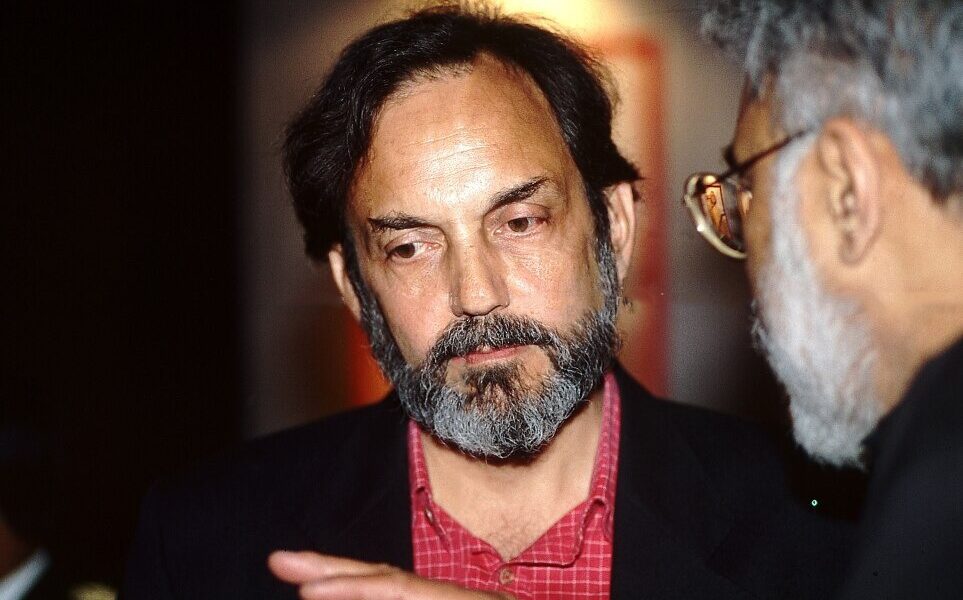
Doordarshan’s News Anchors of the 1990s
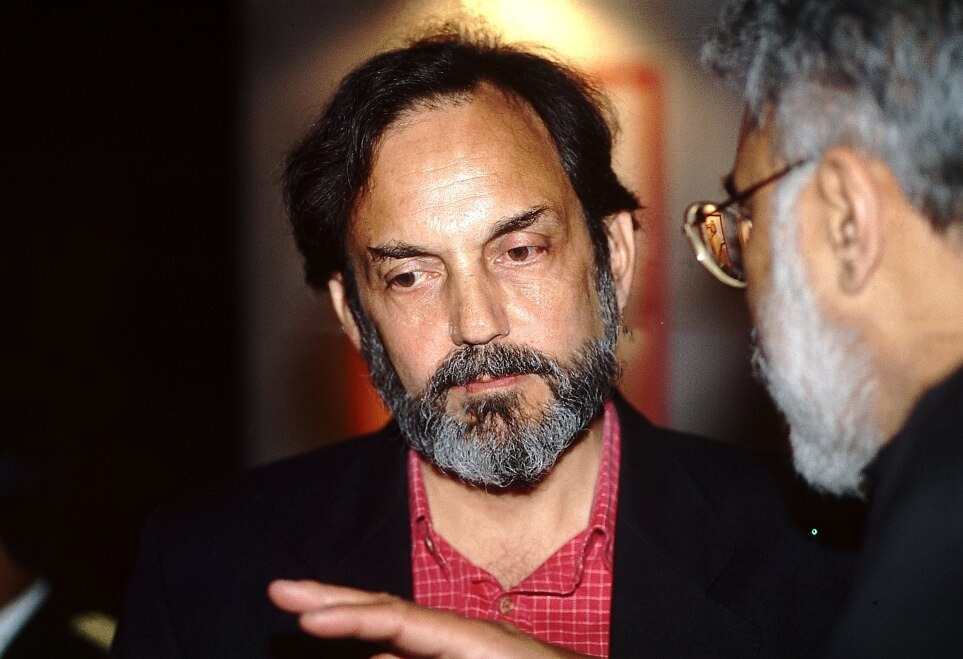
THE VOICES THAT TAUGHT A NATION TO WATCH
In the 1990s, news in India didn’t scroll. It arrived. At 8:30 PM sharp, or 9:00 PM on Sundays, families across the country paused. The TV buzzed to life, the Doordarshan logo spun into place, and a calm, measured voice cut through the static. For an entire generation, those voices were not just presenters. They were the news.
Doordarshan was the only game in town. Before 24×7 private channels, before tickers and shouting matches, DD News was the country’s shared ritual. And the anchors were its priests — unflappable, dignified, and trusted in a way that’s hard to explain today.
The Anatomy of Authority
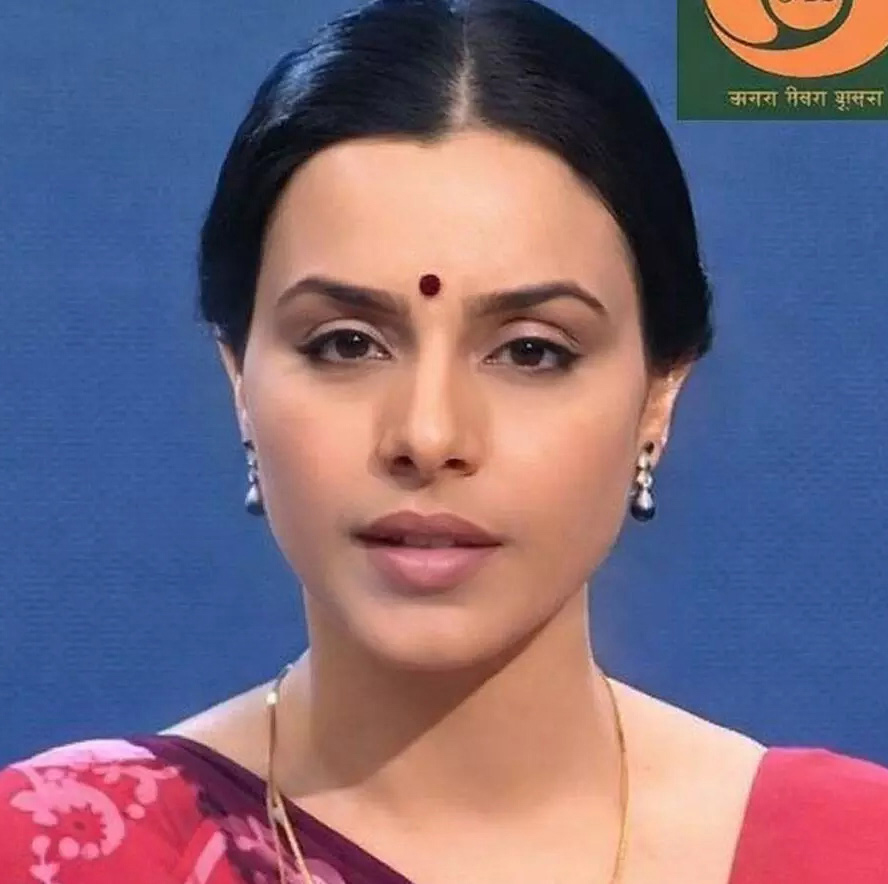
The 90s Doordarshan anchor didn’t “perform” news. They delivered it. The template was austere: plain backdrop, half-bust shot, minimal gestures. Sarees in muted shades for women, bush shirts or Nehru jackets for men. The Hindi was shuddh, the English was clipped Oxbridge-inflected. No smiles, no frowns, no commentary. The credibility came from restraint. Salma Sultan was already a legend by the 80s, but she carried DD into the 90s with the same grace. Her rose tucked behind her ear became a signature, but it was her diction — each word enunciated like it mattered — that made viewers sit up. She read the assassination of Rajiv Gandhi in 1991. A nation cried with her, though she never shed a tear on air. Tejeshwar Singh, with his baritone and grave presence, was “the voice” for English news. A publisher, actor, and intellectual, he brought gravitas to the Gulf
War bulletins in 1991. When he said “Baghdad tonight,” you believed he’d been there. He hadn’t. But the studio in Mandi House felt like the world. Neethi Ravindran and Shammi Narang were the younger Hindi anchors who defined the decade. Ravindran’s calm during the 1992 Babri Masjid demolition coverage, and Narang’s voice on the Delhi Doordarshan Metro, became part of public memory. Narang’s Hindi narration was later used in Delhi Metro announcements — so for millions, he still is the voice of the city. Ved Prakash, Sarla Maheshwari, Rini Simon Khanna, Gitanjali Aiyar — each had a cadence that households could identify with eyes closed. In an era of no channel surfing, you didn’t choose anchors. They chose you, night after night.
News Without Noise
The 90s were turbulent: economic liberalization in 1991, Babri in 1992, Mumbai blasts in 1993, Kargil in 1999. Doordarshan’s newsroom had no OB vans, no live crosses, no experts yelling over each other. A 20-minute bulletin had to carry the day. The anchor’s job was brutal in its simplicity. Read the teleprinter. Hold the sheet. Look into Camera 1. No autocue till much later. If the tape of PV Narasimha Rao’s speech didn’t arrive from Parliament, you filled time. If a bulletin was 18 minutes short, you read slower. The authority came from never letting viewers see the chaos. Mistakes were rare and legendary. When an anchor mispronounced “Kyrgyzstan” or fumbled a line, it became family lore. Because there was no other channel to switch to, the error was national. So was the trust.
Why They Mattered
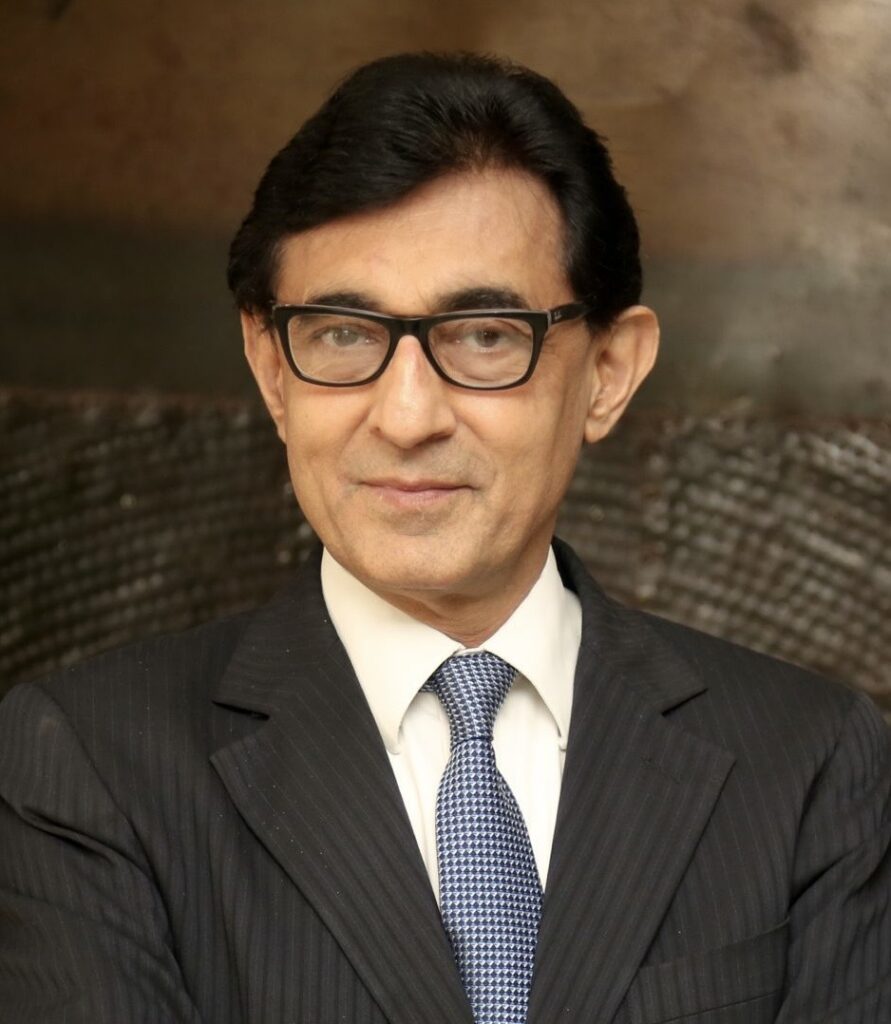
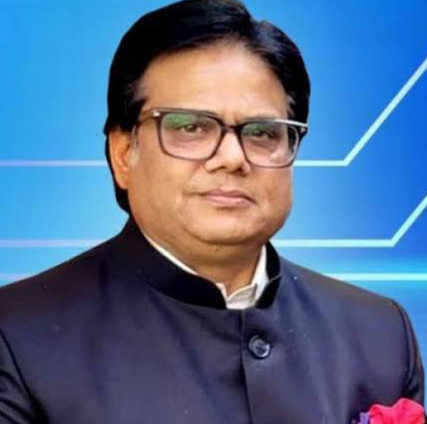
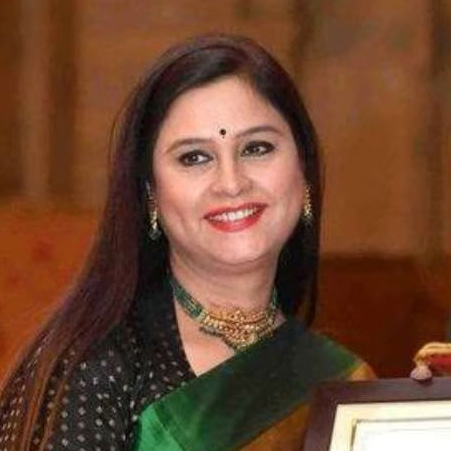
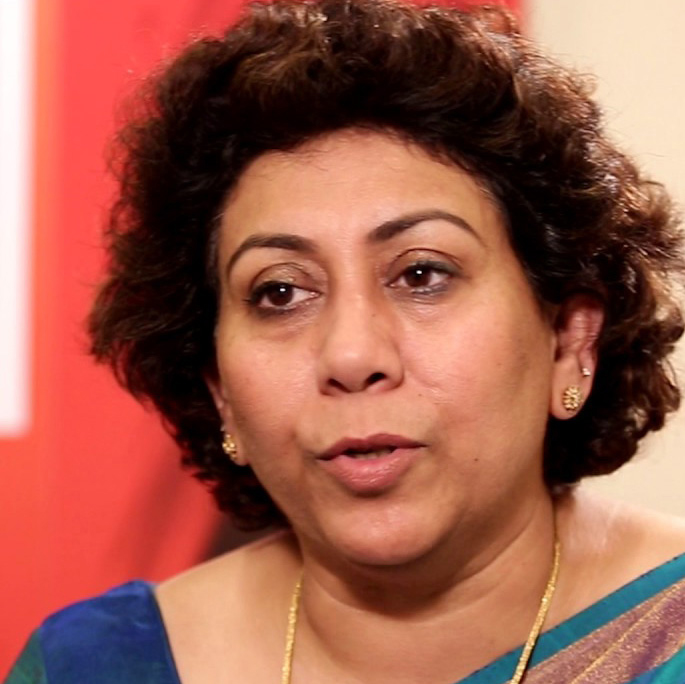
Doordarshan anchors of the 90s were civil servants first, celebrities never. Most were chosen through UPSC-style auditions — voice tests, translation tests, general knowledge. They were paid modestly, transferred like any govt officer, and retired quietly. Yet they had something today’s anchors don’t: Shammi Narang And Salma Sultan Neelum Sharma Sumit Tondon Sarla Maheshwari monopoly of attention. When Tejeshwar Singh said “That’s all the news for tonight,” the country really did go to bed. In a pre-internet India, that sign-off was punctuation for the day. They also shaped language. “Namaskar, main Salma Sultan” or “This is Gitanjali Aiyar, news tonight” were lessons in Hindi and English for millions. In small towns, children imitated them to practice diction. In villages with one community TV, the anchor was the most-seen face after the PM.
The Fade-Out
By 1999, private satellite news had arrived. Star News, Zee News, Aaj Tak changed the grammar — live, loud, local. DD’s anchors, bound by code and caution, suddenly looked from another century. Many retired. Some, like Rini Simon Khanna, adapted and trained the next generation. Others vanished from public life as completely as they had once dominated it. Tejeshwar Singh died in 2007. Salma Sultan now runs a production house but rarely appears on camera. Shammi Narang’s voice lives on in the Metro, a ghost of 9 PM past.
The Afterglow
Today, news is a flood. We scroll, swipe, mute. The 90s Doordarshan anchor reminds us of a time when news was a appointment, not an algorithm. They didn’t ask you to engage. They asked you to listen. In an age of 10-second reels, their 20-minute bulletins feel like epics. No music, no graphics, just a person, a paper, and the belief that facts were enough. They weren’t perfect. DD had its biases, its delays, its Delhi-centrism. But the anchors gave the country a common reference point. For one hour a day, 900 million people heard the same sentence, in the same voice, at the same time.That’s not nostalgia. That’s nation-building through newsreading.